
Late summer is crunch time. You’re harvesting, prepping fields for planting, and racing against weather windows that seem to shrink every year. In the Northeast, where early frosts can arrive without warning and rain can halt field work for days, every hour of uptime matters. This is when connected equipment technologies like John Deere’s JDLink and telematics systems prove their value in real dollars saved.
At United Ag & Turf, we work with farmers throughout Connecticut, Vermont, Maine, Massachusetts, New Hampshire, New York, and Rhode Island who rely on connected support to maximize productivity during these critical weeks. Here are three ways this technology pays off when you need it most.
Find Your Local United Ag & Turf
1. Remote Diagnostics Keep You in the Field, Not the Shop
When a warning light appears in your combine cab at 4 PM on a Friday during harvest, every minute counts. Connected support allows your dealer to diagnose the issue remotely—often before you even make the phone call.
How it works: Telematics systems automatically send diagnostic trouble codes and machine data to your dealer. Your service team can view what’s happening in real-time, identify the problem, and determine if it requires immediate attention or can wait until the end of the day. When service is needed, technicians arrive with the right parts already on the truck.
The payoff: Instead of shutting down for hours while waiting for a diagnosis, you often continue working while your dealer prepares a solution. In late summer, when weather windows are short and crops are ready, avoiding even a few hours of downtime can mean the difference between getting a field finished or watching it sit through three days of rain.
Many issues that seem serious turn out to be minor sensor problems or settings that can be adjusted remotely—meaning you never stop working at all.
2. Predictive Maintenance Prevents Breakdowns at the Worst Possible Time
The worst time for equipment failure is always “right now”—but late summer failures are especially costly. Connected support doesn’t just react to problems; it predicts them before they happen.
Connected support analyzes this data and sends predictive alerts when components are showing signs of wear or operating outside normal parameters. You might receive a notification that hydraulic pressure is trending downward or that an engine sensor is reading inconsistently. These issues haven’t caused a breakdown yet, but could soon.
The payoff: You can schedule service during planned downtime—overnight, during rain delays, or between fields—rather than facing unexpected breakdowns during peak harvest. When you’re racing to get corn out before moisture climbs or trying to finish a field before the next weather system moves through, planned maintenance beats emergency repairs every time.
This proactive approach also prevents secondary damage. A small issue caught early (like a belt starting to slip) prevents larger problems (like overheating that damages an engine). Your equipment lasts longer, and your repair bills stay lower.
3. Real-Time Monitoring Optimizes Your Operation
Connected support isn’t just about fixing problems—it helps you work smarter throughout harvest and field prep.
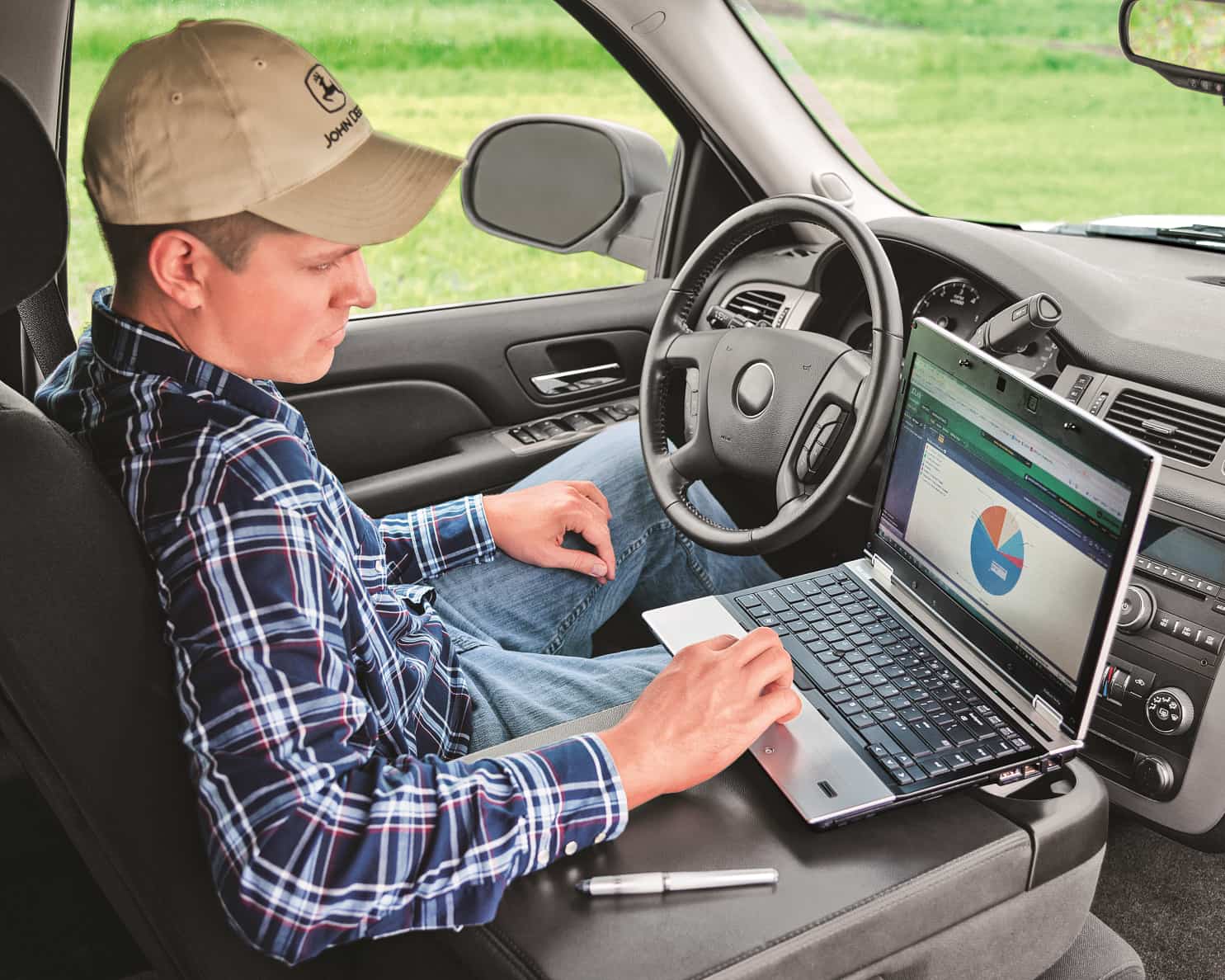
With real-time machine monitoring, you can track location, fuel levels, productivity, and performance across your entire fleet from your phone or computer. You know exactly where every piece of equipment is working, how much fuel each machine has, and which fields are complete without driving from property to property.
The payoff: You optimize logistics on the fly. Route fuel trucks directly to equipment that needs them. Coordinate grain cart positioning based on combine location. Identify which fields are progressing slower than expected and adjust resources accordingly. During the compressed timeframe of late summer harvest and fall field prep, this operational visibility translates directly to more acres covered per day.
Connected support also helps analyze machine performance after the season. Fuel consumption data, idle time, and productivity metrics show where you can improve efficiency for next year. You might discover one operator consistently achieves better fuel economy, allowing you to share best practices across your team.
Getting Started with Connected Support
Many newer John Deere machines come with JDLink connectivity already installed, often with complimentary activation periods. If you’re operating older equipment, aftermarket telematics options can bring similar benefits to your existing fleet.
The key is activation and dealer setup. Your equipment dealer needs proper permissions to monitor your machines and provide remote support. This takes just minutes to configure, but requires you to actively enable the connection.