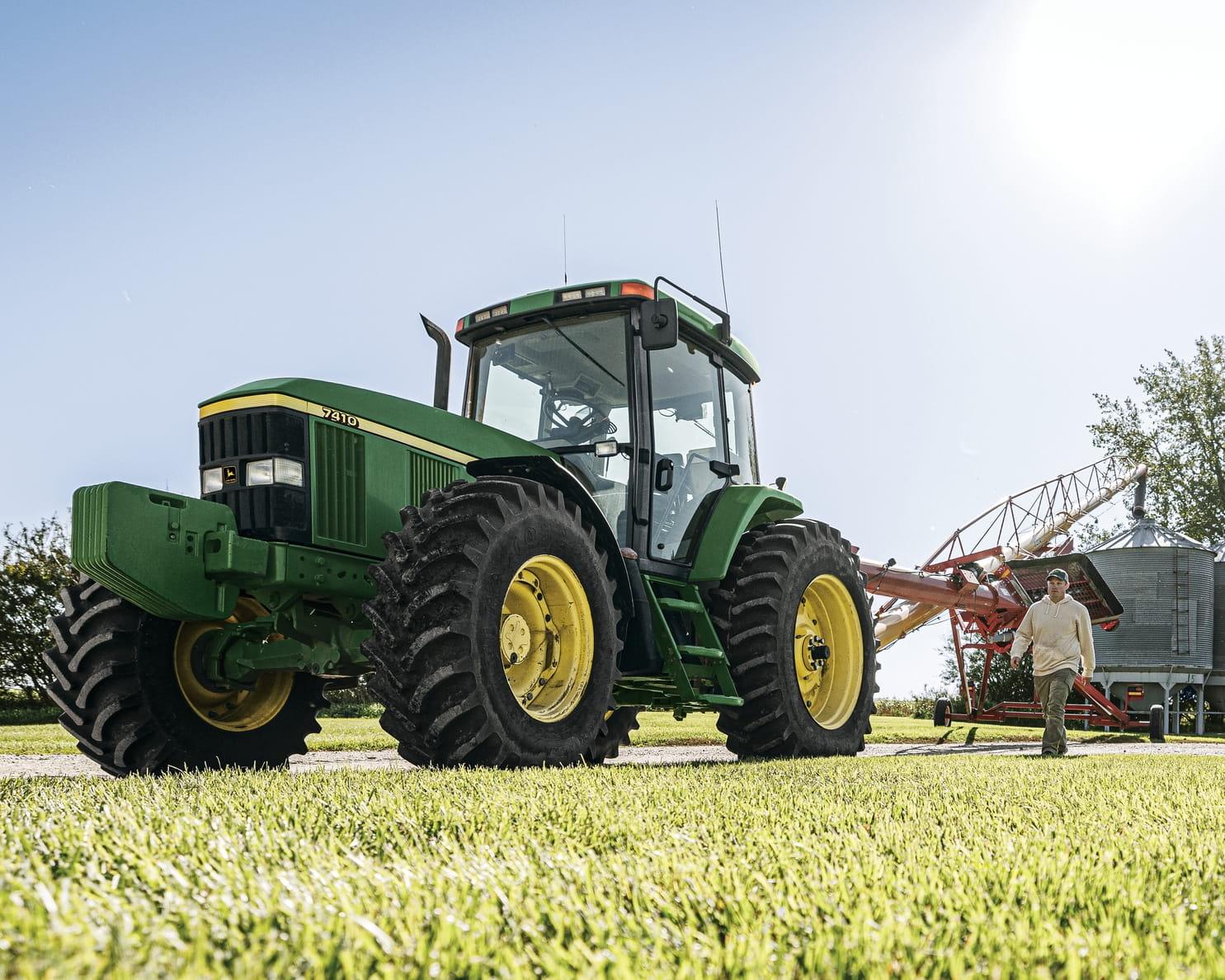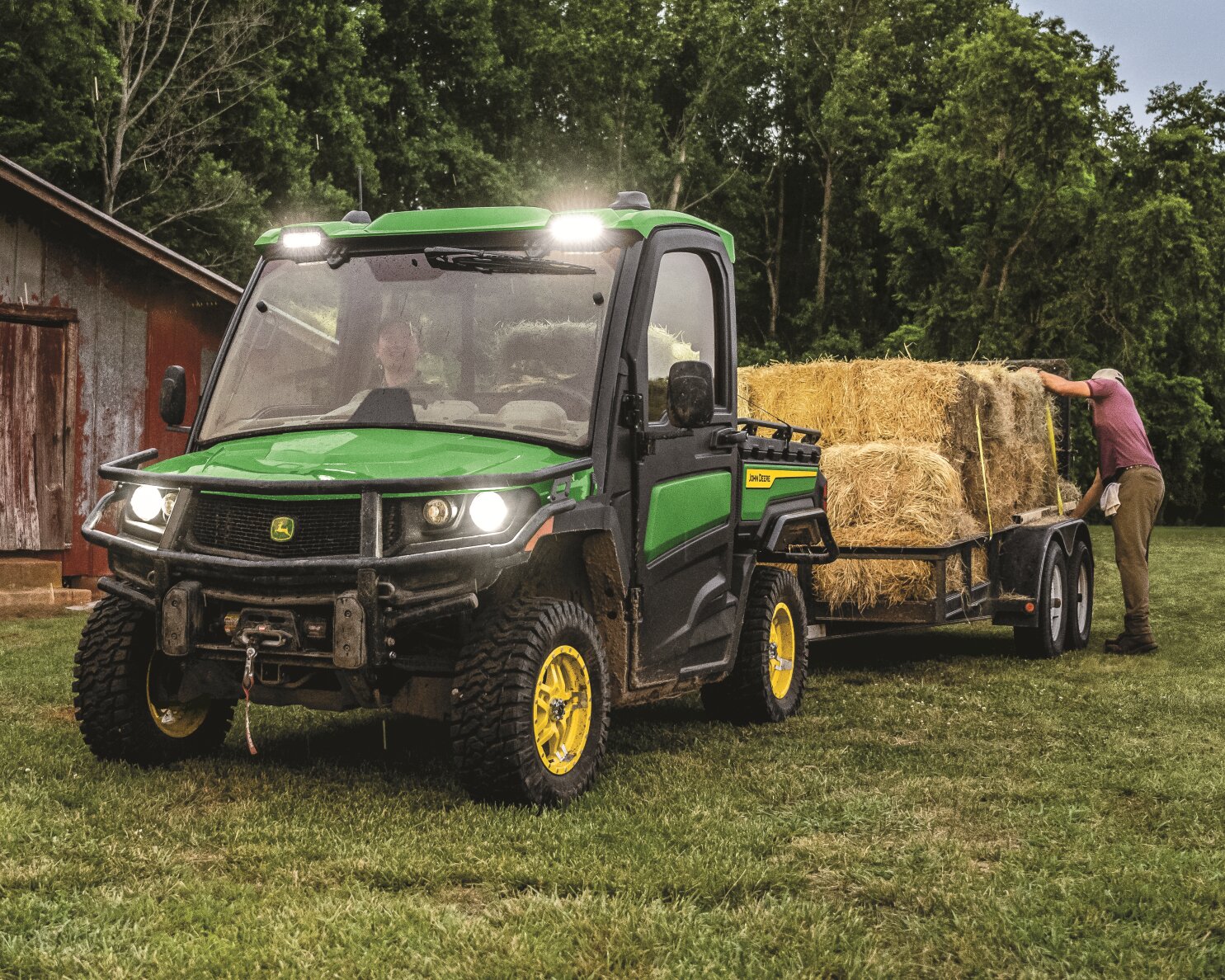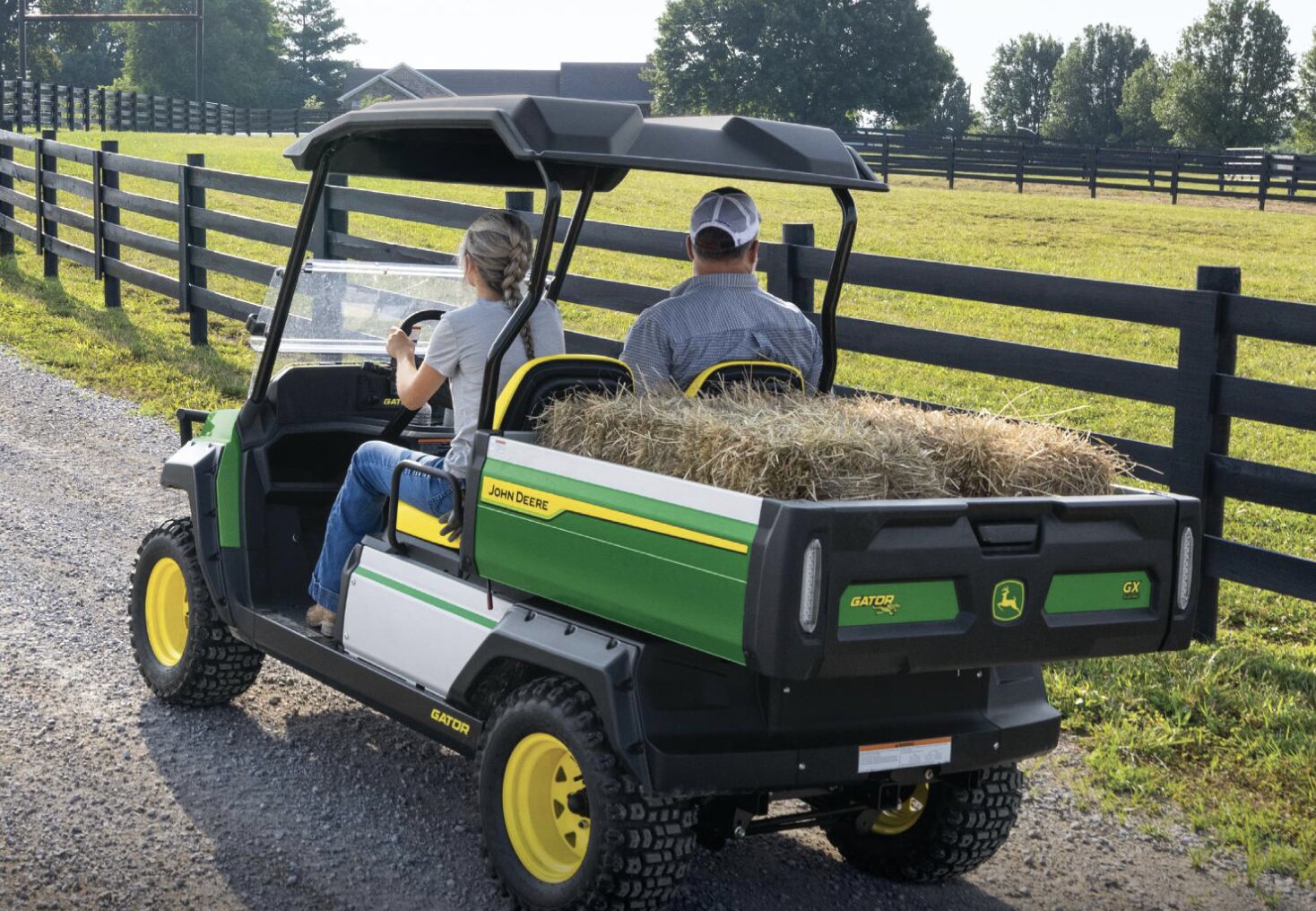


Winter brings unique challenges for livestock owners and farmers. Between snowy pastures and frozen ground, simple hay transport is a critical component of maintaining healthy livestock, whether you’re handling cattle, horses, sheep, or goats. If you know how to use it, your tractor is equipped perfectly for winter livestock management.
Find Your Nearest United Ag & Turf
Why a Tractor is Essential
When the temperature drops and snow builds up, manual hay transport can be extremely time-consuming. A reliable compact tractor will save you hours–and a lot of hard work–allowing you to focus on animal welfare rather than your own exhaustion.
Equipped with the right implements, your tractor can handle round bales, square bales, and loose hay efficiently, even in snowy and icy conditions.
Essential Tractor Attachments for Hay Feeding
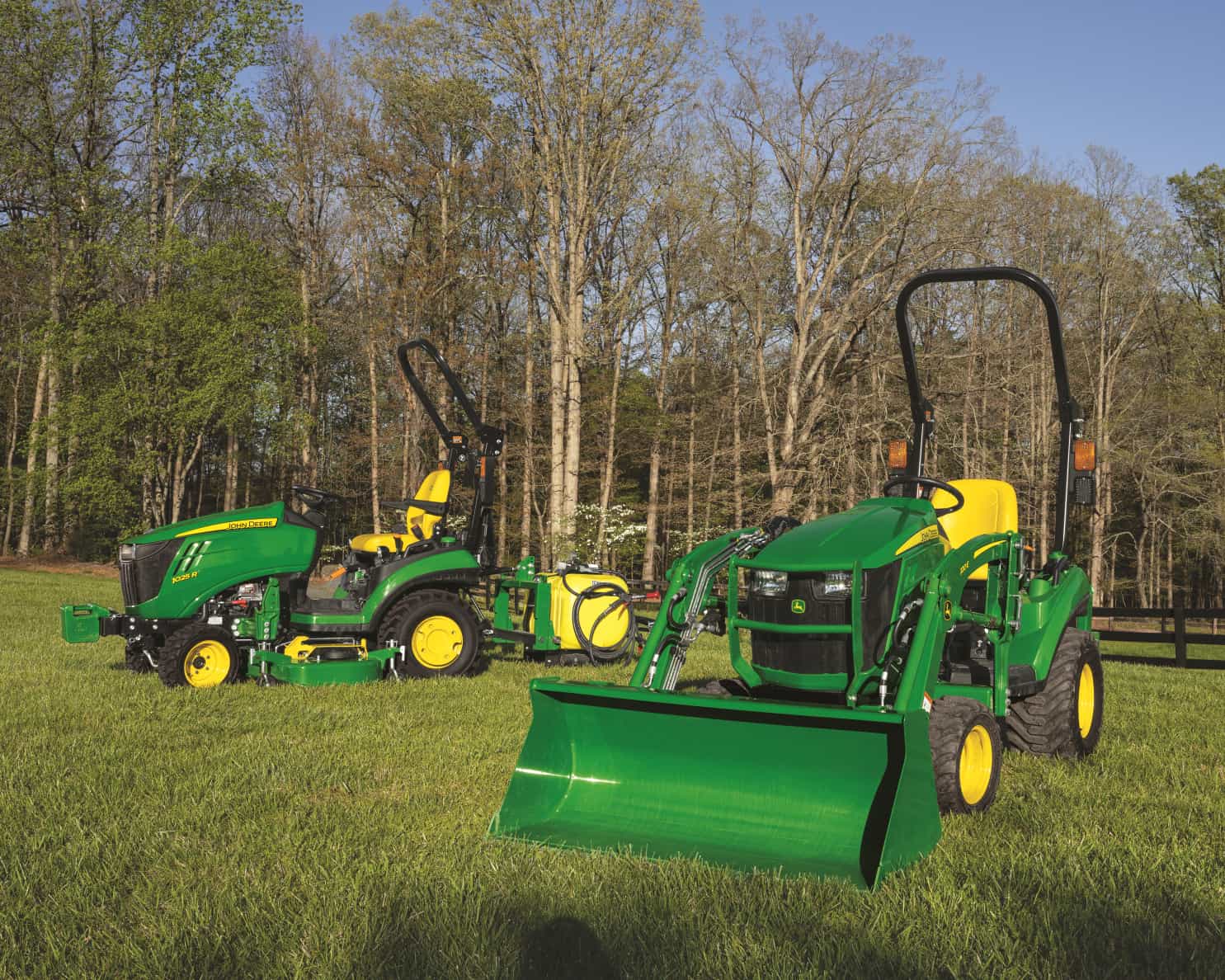
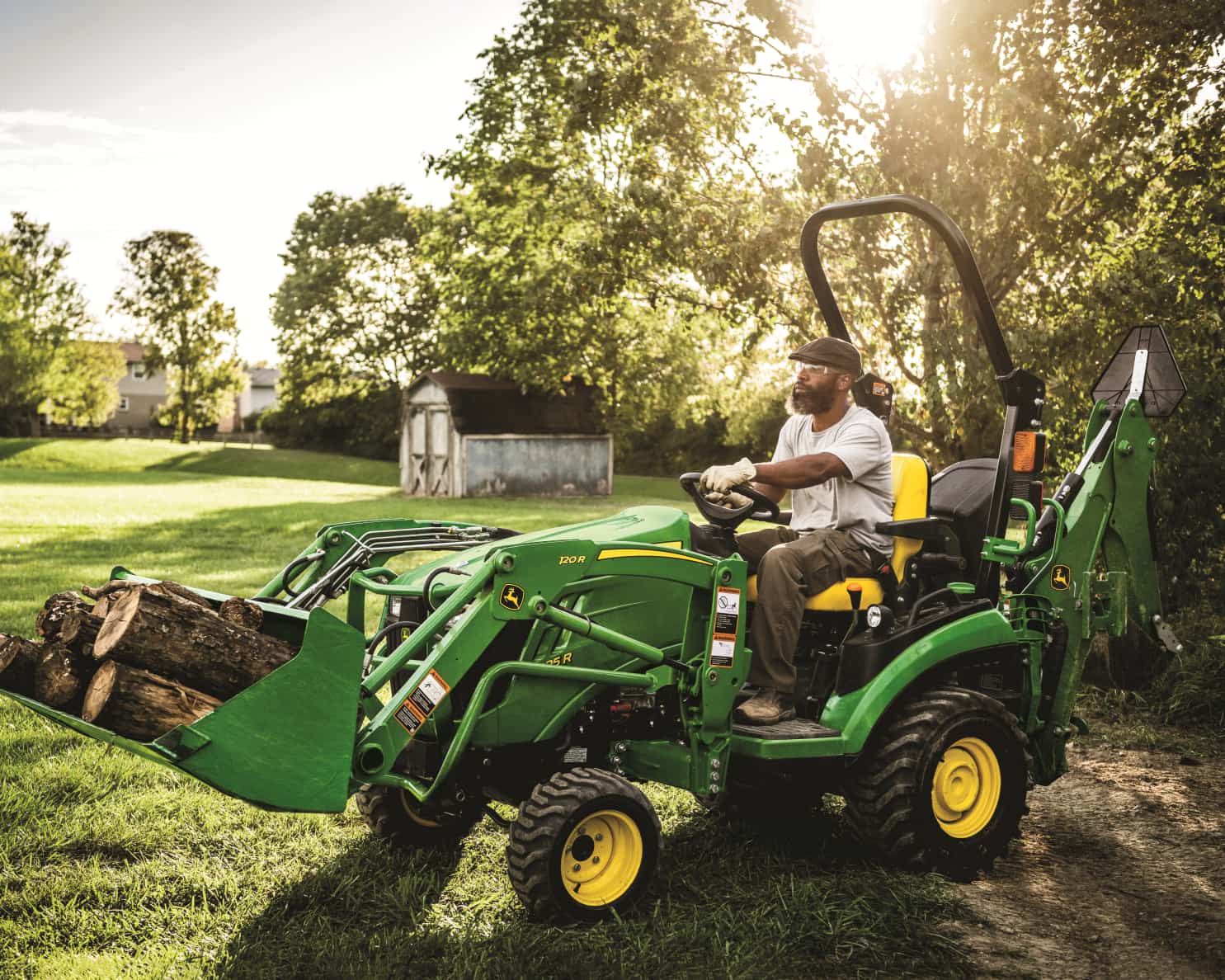
Front-End Loaders: A front loader is one of the most versatile attachments you own. Loaders can handle round and square bales, often holding multiple bales in a single trip. This is especially valuable when snowy fields can mean multiple trips and wasted fuel.
Bale Spears: If you’re dealing mostly with round bales, a bale spear is perfect for the job. These attachments simply pierce the bale center and securely transport round bales on any terrain.
Pallet Forks: If you’re stacking square bales on pallets, a pallet fork will allow you to move entire loads to feeding areas, minimizing hay waste, reducing work hours, and cutting fuel expenses.
Browse Compact Tractor Attachments
Winter-Specific Tractor Considerations
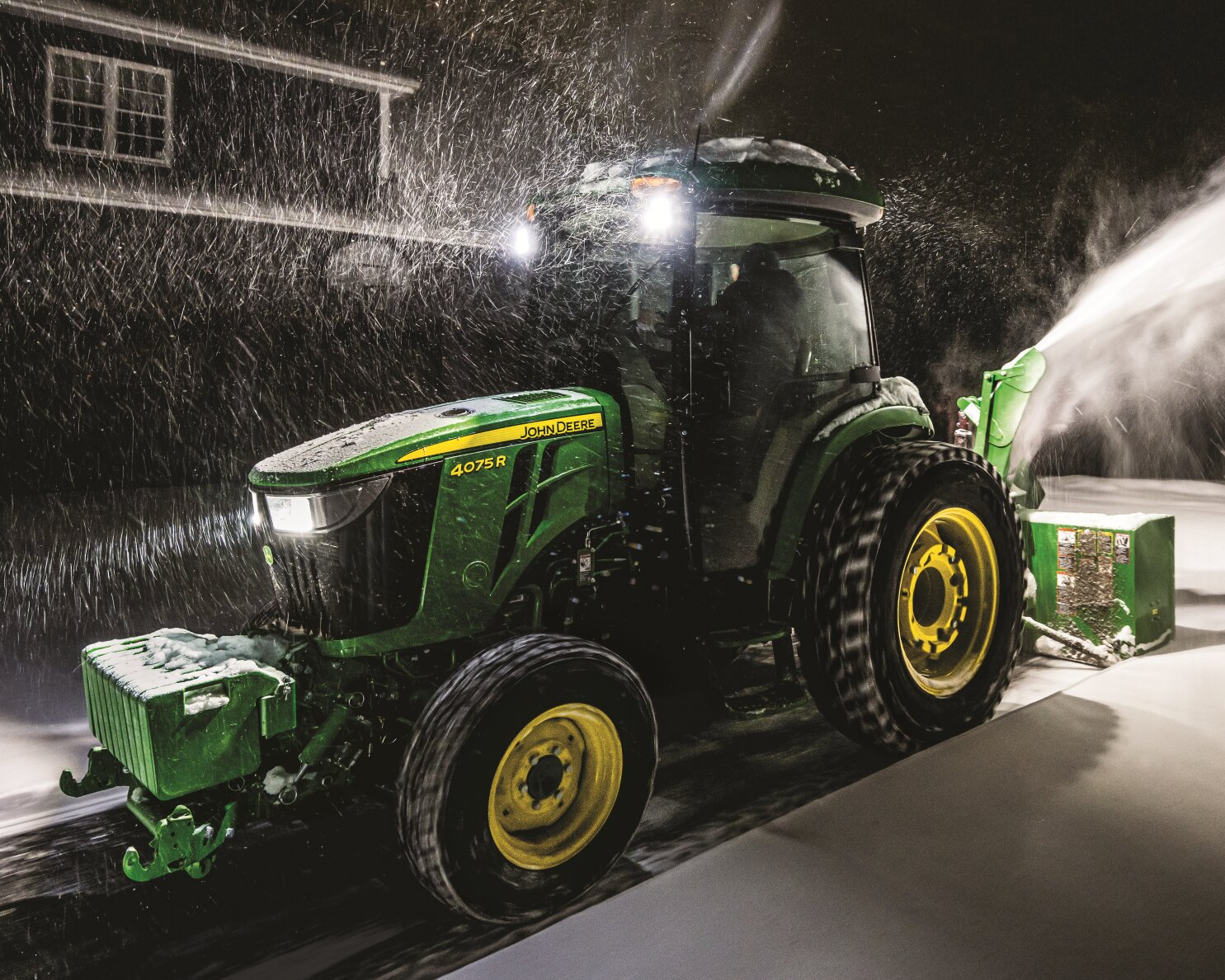
Traction Management: Northeast winters require proper tires. R4 industrial tires provide great traction on icy grounds, while agricultural tires with chains are a better choice for deep snow. Ballast weight improves stability when transporting heavy loads on slick surfaces.
Cold Weather Maintenance: Diesel engines require special attention in the winter. Refer to your owner’s manual to ensure that you’re using proper winter-grade fuel. Keep your battery charged–and tested–and consider an engine block heater for smoother morning starts.
Visibility and Safety: Shorter hours of daylight mean more work in low-light conditions. Test all lighting before getting out for early-morning feeding.
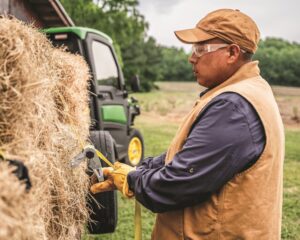
Dialing in Your Hay Transport Routine
Strategic hay placement and storage are essential for reducing transport time and fuel costs. Position hay close to feeding areas while maintaining proper ventilation.
For larger operations, consider a hay accumulator or grapple attachment. These tools will allow you to gather multiple bales at once, cutting feeding time significantly.
Planning for Northeastern Winter Conditions
Brutal winter conditions like ice storms and sub-zero temperatures are a feature of farming in the Northeast. Your tractor setup should account for the worst-case scenario. Keep implements readily accessible, maintain a reliable fuel reserve, and establish backup feeding plans when conditions become extreme.
Regular equipment checks throughout the season prevent breakdowns during critical feeding times. Inspect all hydraulic lines for brittleness, check tire pressure regularly, and keep a maintenance log to stay ahead of downtime.
Choosing the Right Equipment
Winter livestock care doesn’t have to be a challenge. With proper equipment and a strong support network, your tractor is the perfect partner for maintaining healthy, well-fed animals all winter long.
Whether you’re managing a hobby farm or a commercial livestock operation, the right tractor makes all the difference when it comes to hay transport. Compact tractors in the 25-45 HP range handle most small to medium operations, while larger properties may require a higher-capacity utility tractor. Give your local United Ag & Turf a call to discuss your operation’s needs today!