
If you run a landscaping crew in the Northeast, you know that revenue can take a real dip in October. Crews that stay busy through the winter always offer important lines of additional service: fall cleanup and snow removal. Both build on equipment you likely already own, plus a few attachments. The harder question isn’t what to buy. It’s whether you have the crew hours and the contracts to fill them.
Find Your Nearest United Ag & Turf
The Revenue Gap
Between the last mow and the first plowable snow, there’s a real gap in billable hours for many crews. For 6 to 10 weeks, scheduling thins out, but your payroll doesn’t pause. Fall cleanup fills the front half of that gap. Snow maintenance fills what comes after. Run both services and the gap mostly closes. Run neither and you’re weighing operation costs against slowed billing.
How Landscaping Crews Add Fall Cleanup Service
Cleanup is labor-heavy and equipment-light, which is what makes it a good first add-on.
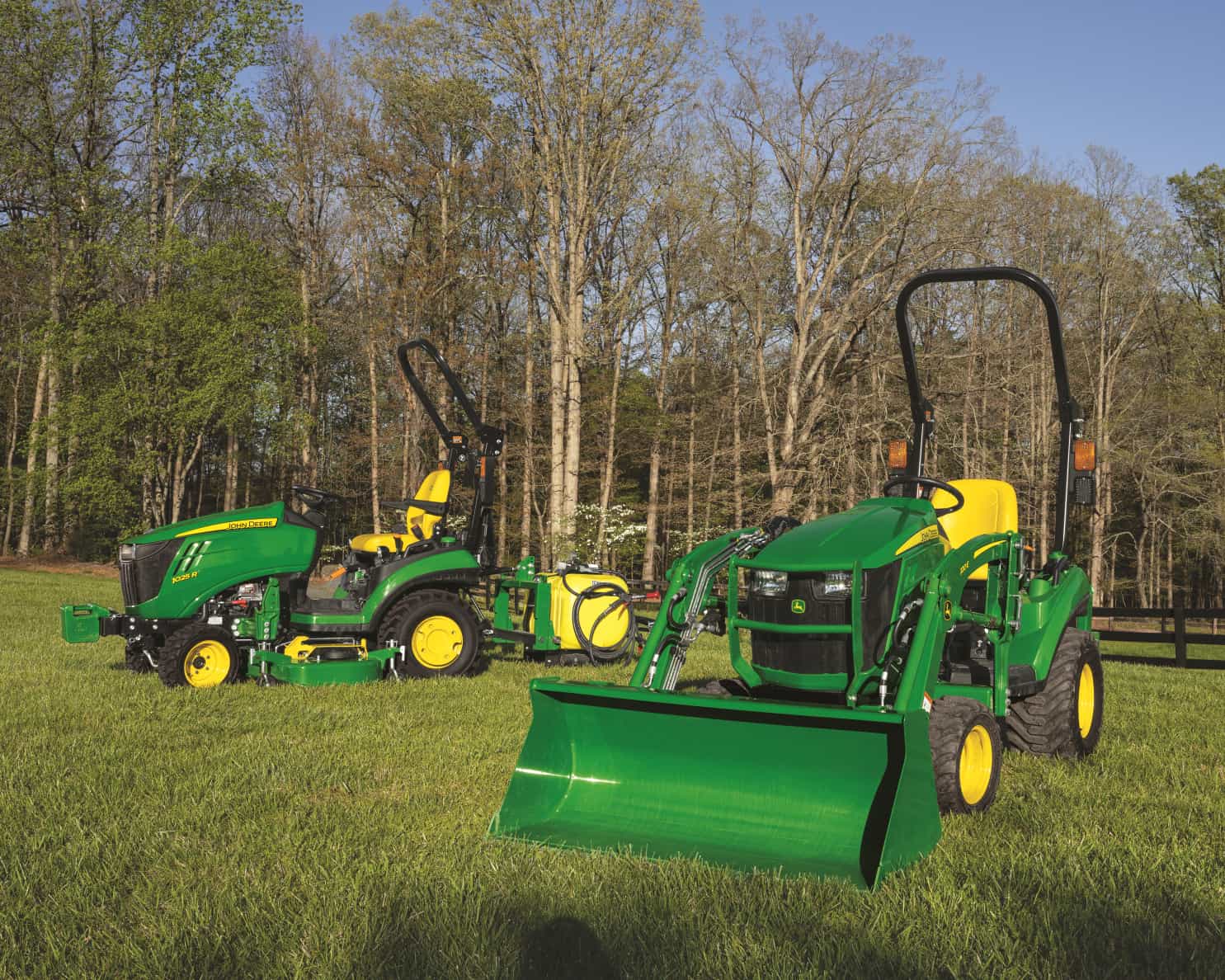
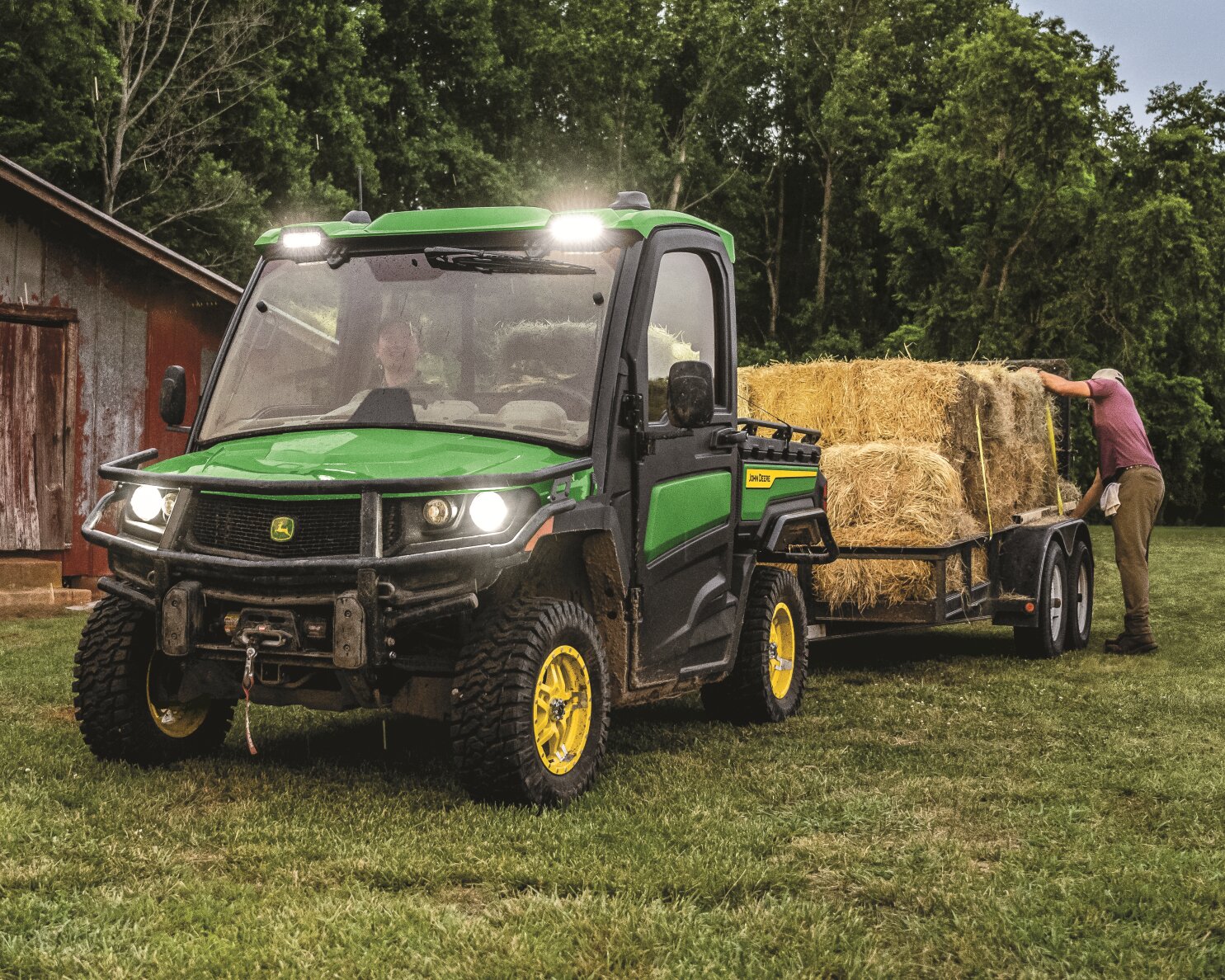
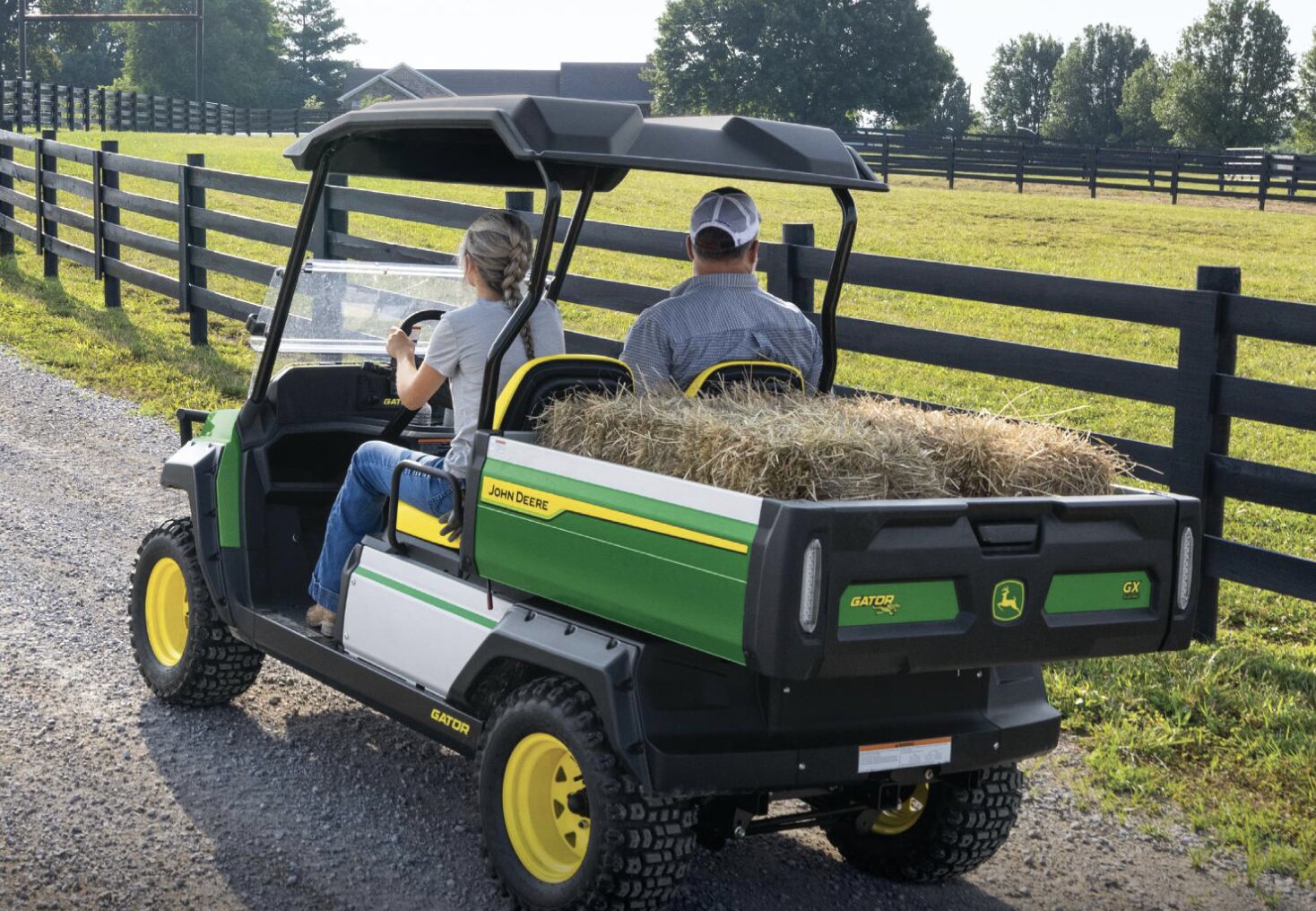
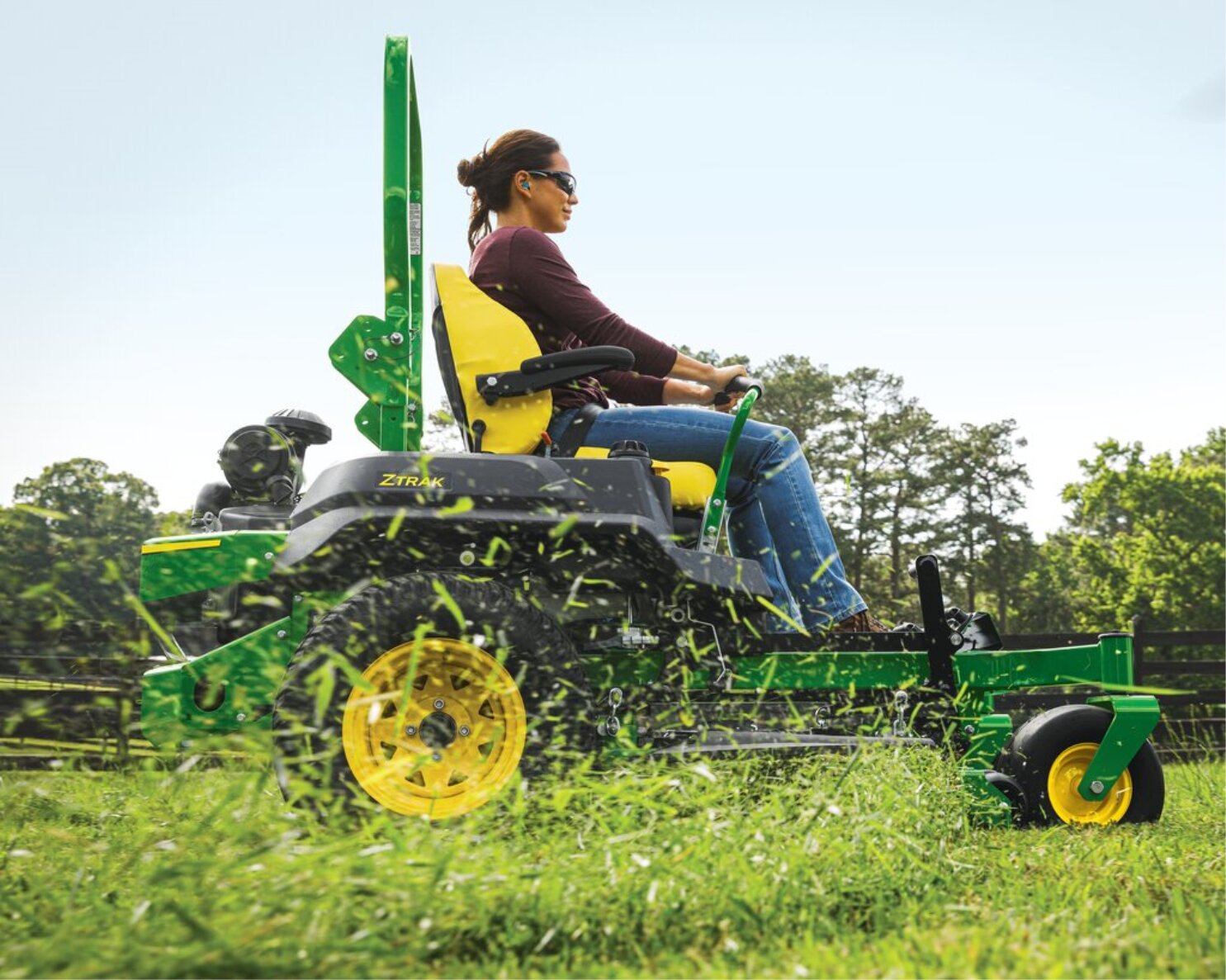
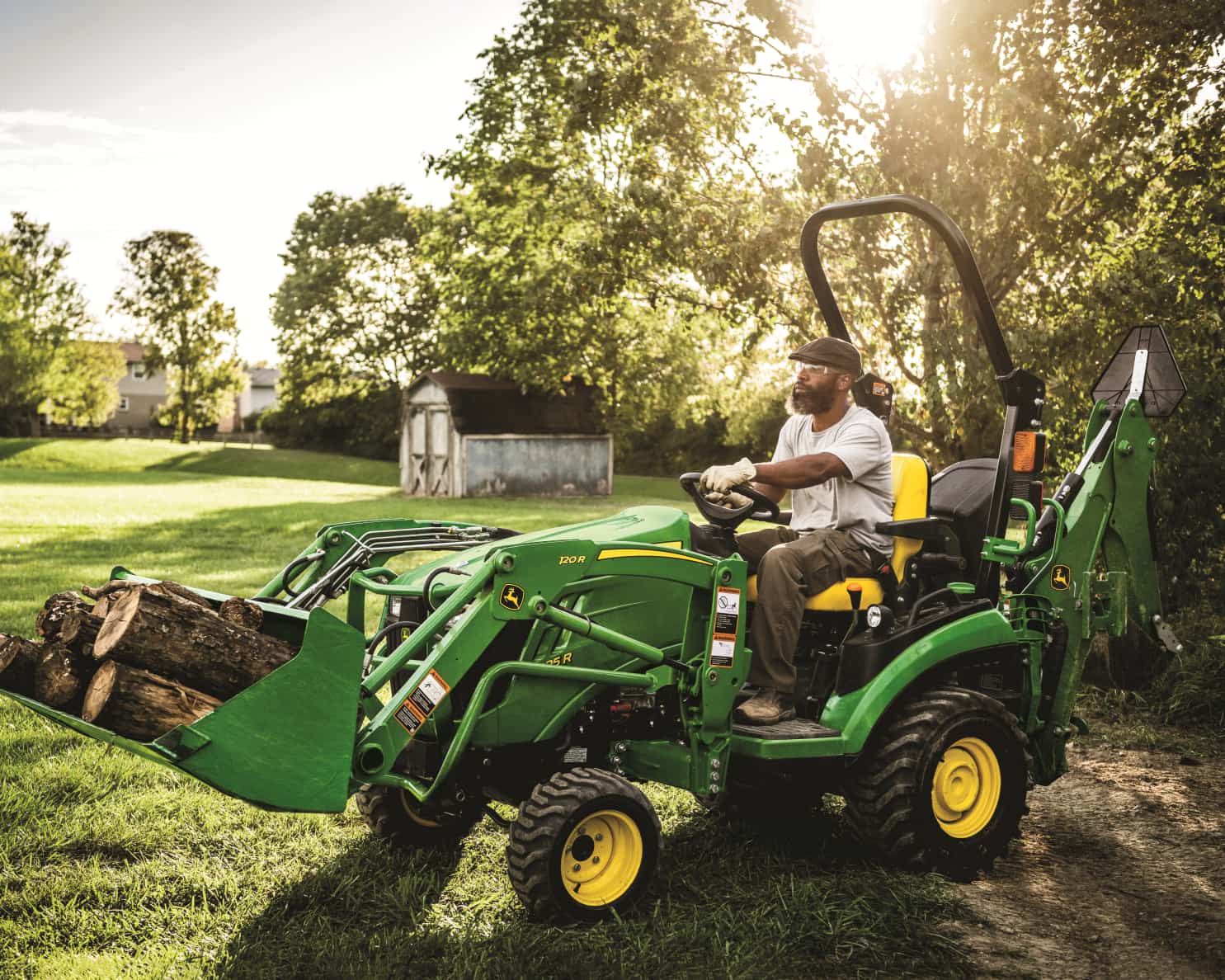
Your primary needs are collection and disposal. Every time, a commercial mower with a bagging system will outwork crews using blowers alone. Add a utility vehicle with a dump bed and cut your transport time in half. For bulk material handling on larger properties, consider a compact tractor with a loader.
A common mistake is to price cleanup like mowing. Year to year, leaf volume will vary based on wind and weather patterns as well as timing. Price cleanup by the hour.
Snow Clearance: Equipment You Can Share Across Seasons
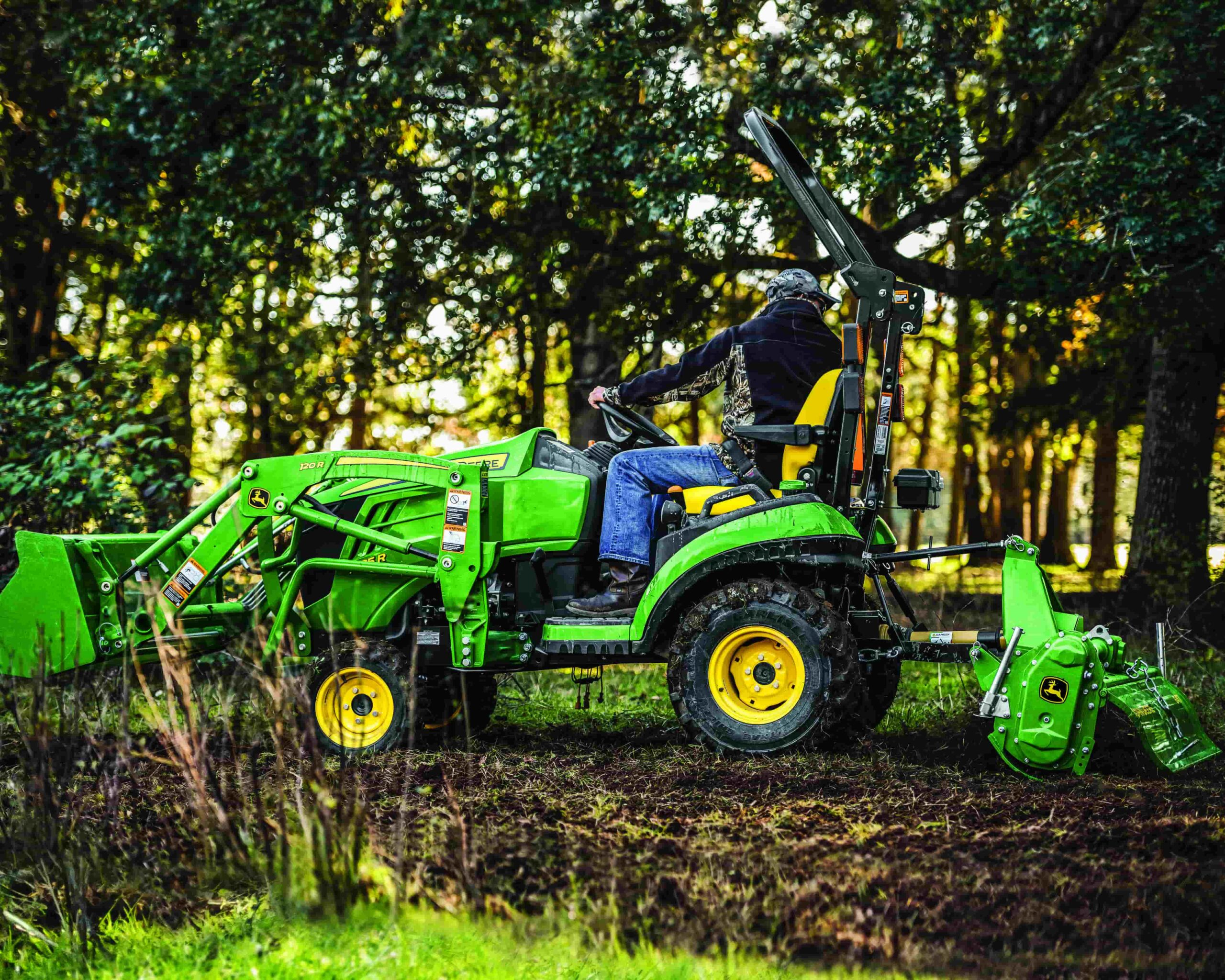
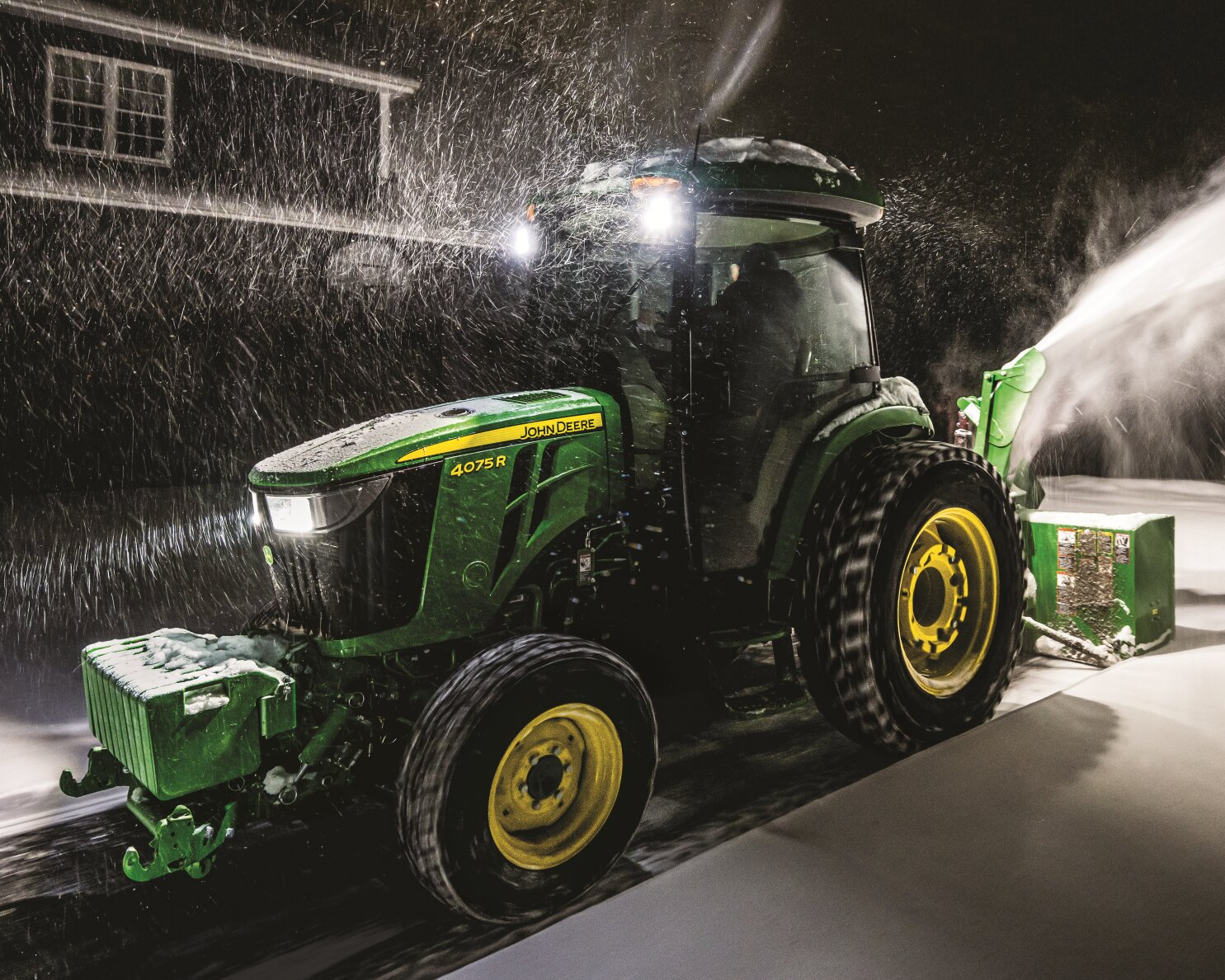
Snow is where equipment sharing pays off. A compact tractor or compact loader you already run for landscape work becomes a snow machine with a blade, blower, or pusher on the front. That dual use works to justify equipment costs and seasonal service offerings. You’re not buying a second fleet; you’re buying multi-use attachments to extend the working capacity of your current fleet.
Match your equipment to the properties you’re bidding. Tight residential drives need maneuverability. Commercial lots need push capacity and speed. Bidding both with one setup usually means doing one of them badly.
Size to Your Crew
Snow work is unpredictable and unforgiving. Storms land at 3 a.m., and clients expect open lots by 6. Crews that overcommit on snow contracts damage relationships they spent all summer building.
Rule of Thumb: When adding services, start smaller than you think you should. Add properties the following season once you know your actual clearing times.
What to Line Up Before October
Get attachments ordered and mounted now. Blades, blowers, pushers, and ballast attachments start going fast once the first forecast hits.
Service the machines that will run through winter. Hydraulics, batteries, and tires all behave differently in the cold, and a mid-storm failure costs more than the repair.
Get contracts signed before the season, not during it. Clients negotiate very differently in September than they do in a snowstorm.
Frequently Asked Questions
Do I need separate equipment for snow work?
Usually not. Most crews add attachments to compact tractors or loaders they already own. Dedicated snow equipment makes sense once your route volume justifies it.
When should I start selling fall cleanup?
Late summer. Renewal conversations happen easiest while you’re still on the property weekly for mowing.
Is snow work worth it for a small crew?
On a tight route with reliable operators, snow work can be an excellent additional service. The common mistake is taking on more properties than you can clear inside a client’s expected window.