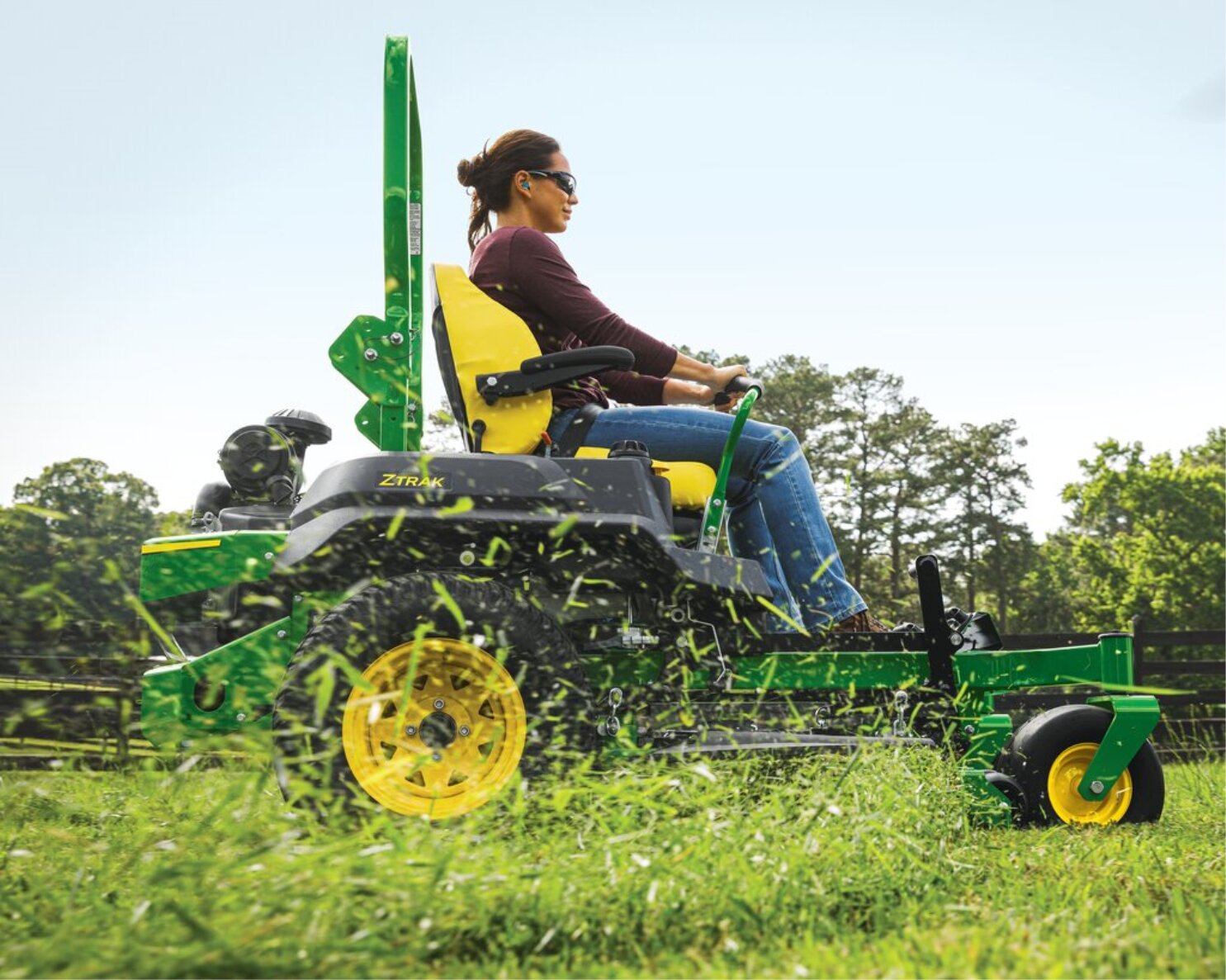

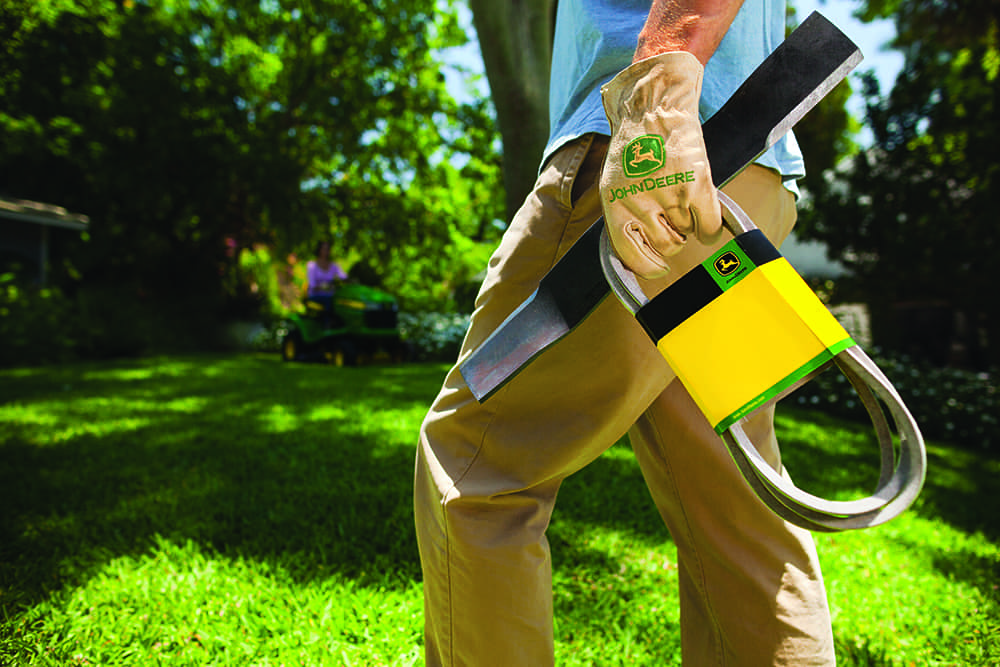
It’s the middle of mowing season! That means it’s time to address issues like uneven cuts, clumped clippings, and brown tips. These issues almost always lead back to the same source: your mower blade. But not every blade issue has the same solution. Knowing when to sharpen and when to replace mower blades will save time and money while keeping your lawn in top shape. Spotting the difference is a straightforward skill, and one that you’ll thank yourself for learning season after season.
Find Your Nearest United Ag & Turf
When Sharpening Is the Right Call
A long mowing season is sure to dull your blades. This doesn’t mean that the blade has been structurally compromised. Clear signs that you’re dealing with a dull, not damaged, blade include torn grass tips, inconsistent mowing height, and decreased mowing efficiency. When sharpening lawn mower blades, you’re addressing wear on the cutting edge, not structural issues with the blade itself.
A simple rule of thumb for most Northeasterners is to sharpen the blades after every 25 hours of mowing. If you’re cutting in sandy soil, around gravel, or through drier and harder turf, increase frequency to every 15-20 hours.
When Replacement Is the Right Call
Sharpening isn’t always an option. Blades get bent, nicked, or cracked, and require a full replacement before returning to mowing. Not only is a damaged blade hard on your lawn, they are often dangerous when ignored.
To inspect whether your blade is bent, remove it and place it on a flat surface. If it rocks or refuses to lie flat… it’s bent. Don’t attempt to straighten your blade. A bent mower blade has been stressed beyond its tolerance and is a safety risk. Replace it immediately.
Nicks from rock strikes are worth examining carefully. A small nick that doesn’t affect the overall edge profile can sometimes be filed out during sharpening. A deeper gouge that removes a significant section of the cutting edge, or any nick that creates a sharp stress riser in the blade body, means replacement.
The Thickness Test
Old blades which have been repeatedly sharpened will eventually become too thin to mow safely. Review your operator’s manual for John Deere’s specified minimum thickness for your model and blades. A quick way to judge is simply to assess whether the cutting edge has become noticeably thinner than the middle section of the blade, or if you can flex the blade with modest hand pressure.
Not Sure? Let Our Service Team Take a Look
Not all operators are comfortable removing and inspecting their blades — that’s why we’re here! If you notice your cut quality is off and can’t determine the issue, stop by your local United Ag & Turf and our service team will take a look. A quick blade inspection can save a full season of bad cuts.
Frequently Asked Questions
How often should you sharpen John Deere mower blades?
For most Northeast lawns, sharpening every 20 to 25 hours of mowing time is a reasonable interval. If you’re cutting in sandy soil, near gravel edges, or through dry late-season turf, you may need to sharpen more frequently. A visual check after each mowing session — looking for frayed or brown grass tips — is the simplest way to catch a dulling blade before it starts affecting cut quality noticeably.
How do you know if a lawn mower blade needs replacing vs. sharpening?
If the blade is dull but structurally intact — no bends, cracks, deep gouges, or significant metal loss — sharpening is the right call. If the blade is bent (it won’t lay flat on a level surface), has deep nicks that can’t be filed out, shows cracks anywhere on the body, or has been sharpened so many times the cutting edge is noticeably thinner than the blade body, it needs to be replaced. Running a bent or cracked blade is a safety risk and should be addressed immediately.
Are aftermarket blades okay for a John Deere mower?
Aftermarket blades can work, but quality varies significantly, and fit isn’t always exact. Genuine John Deere replacement blades are engineered to the specific balance, steel hardness, and lift angle for your deck model — factors that affect both cut quality and spindle bearing wear over time. For a mower you’re running regularly through a full Northeast season, OEM blades are the more reliable long-term investment.