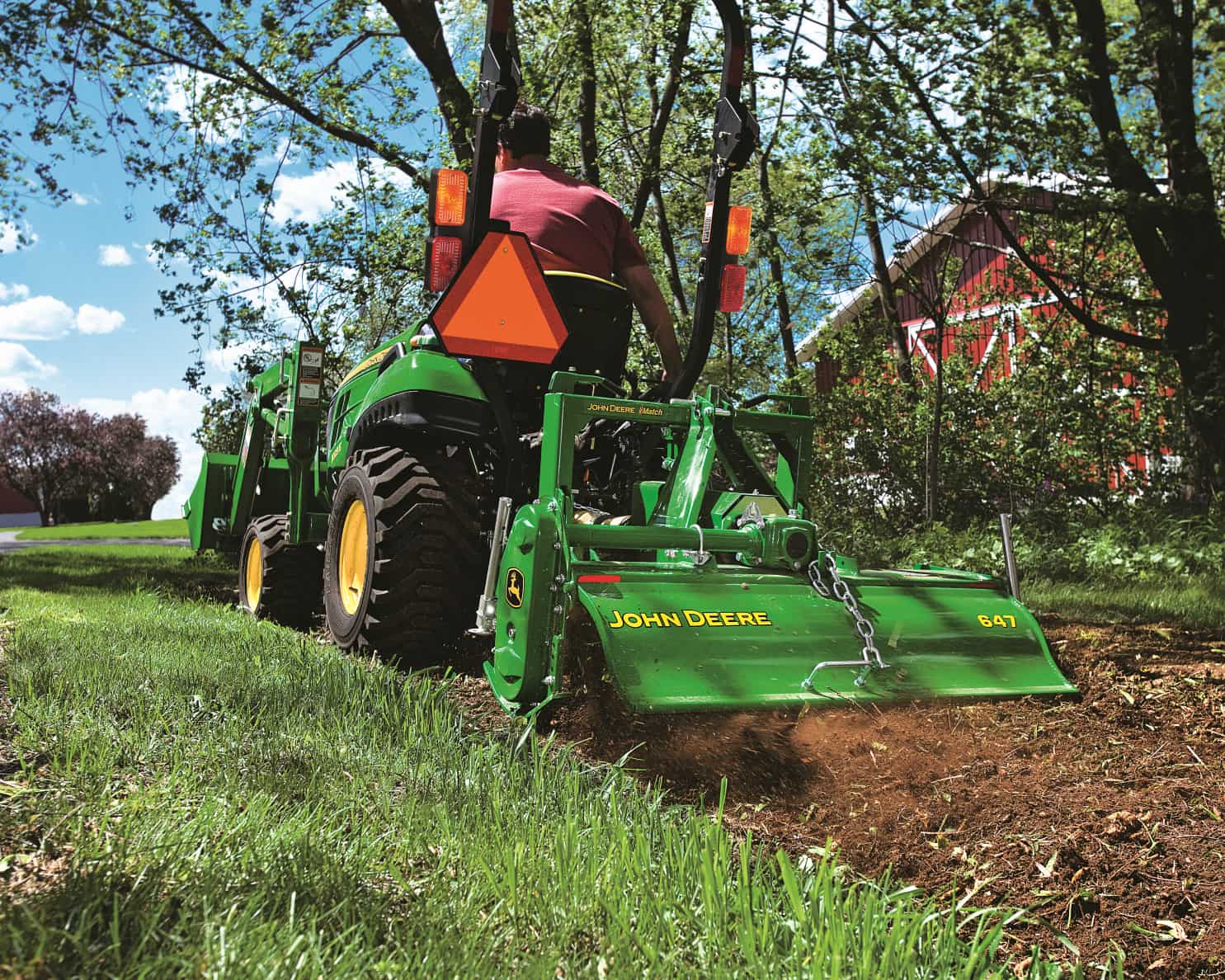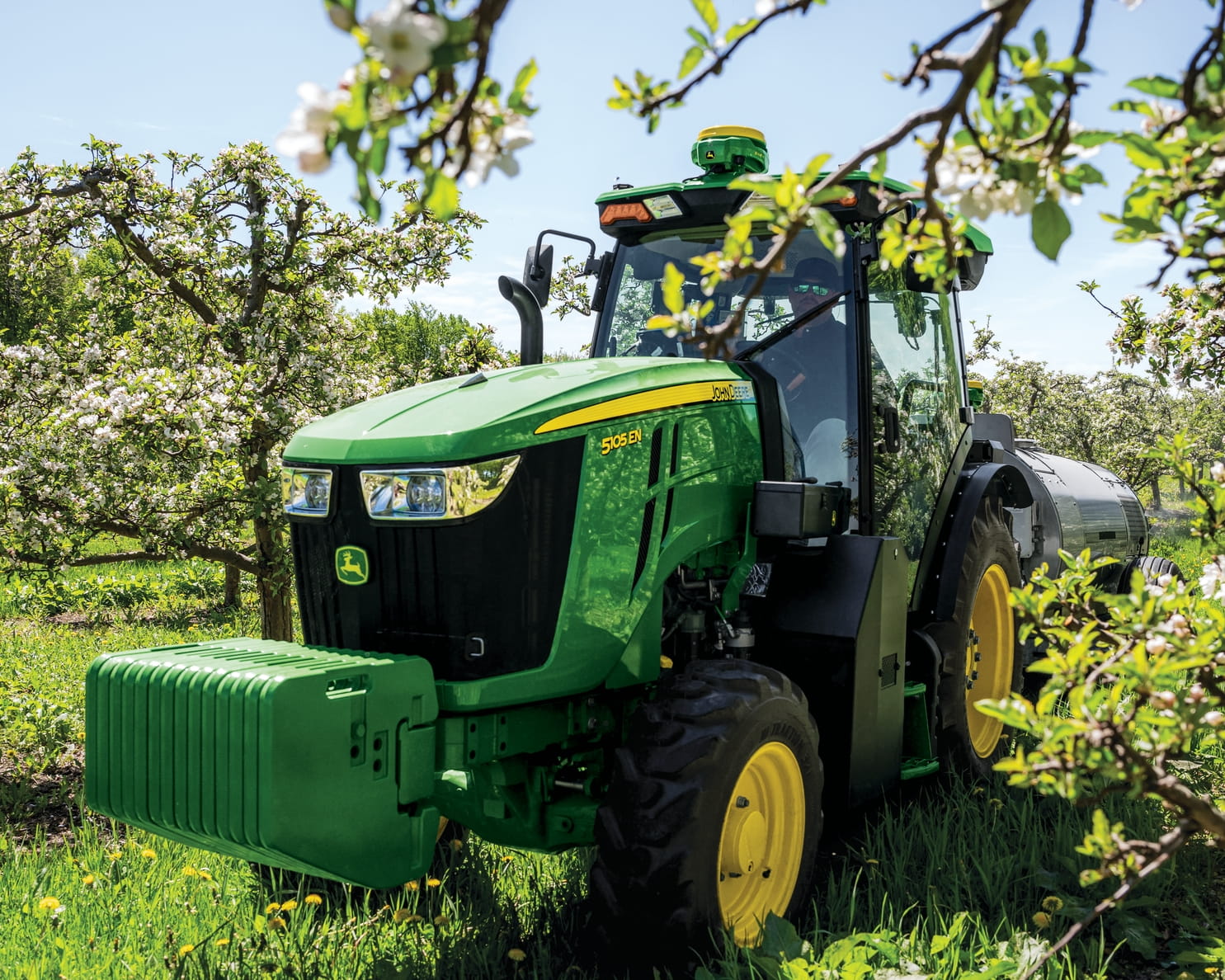

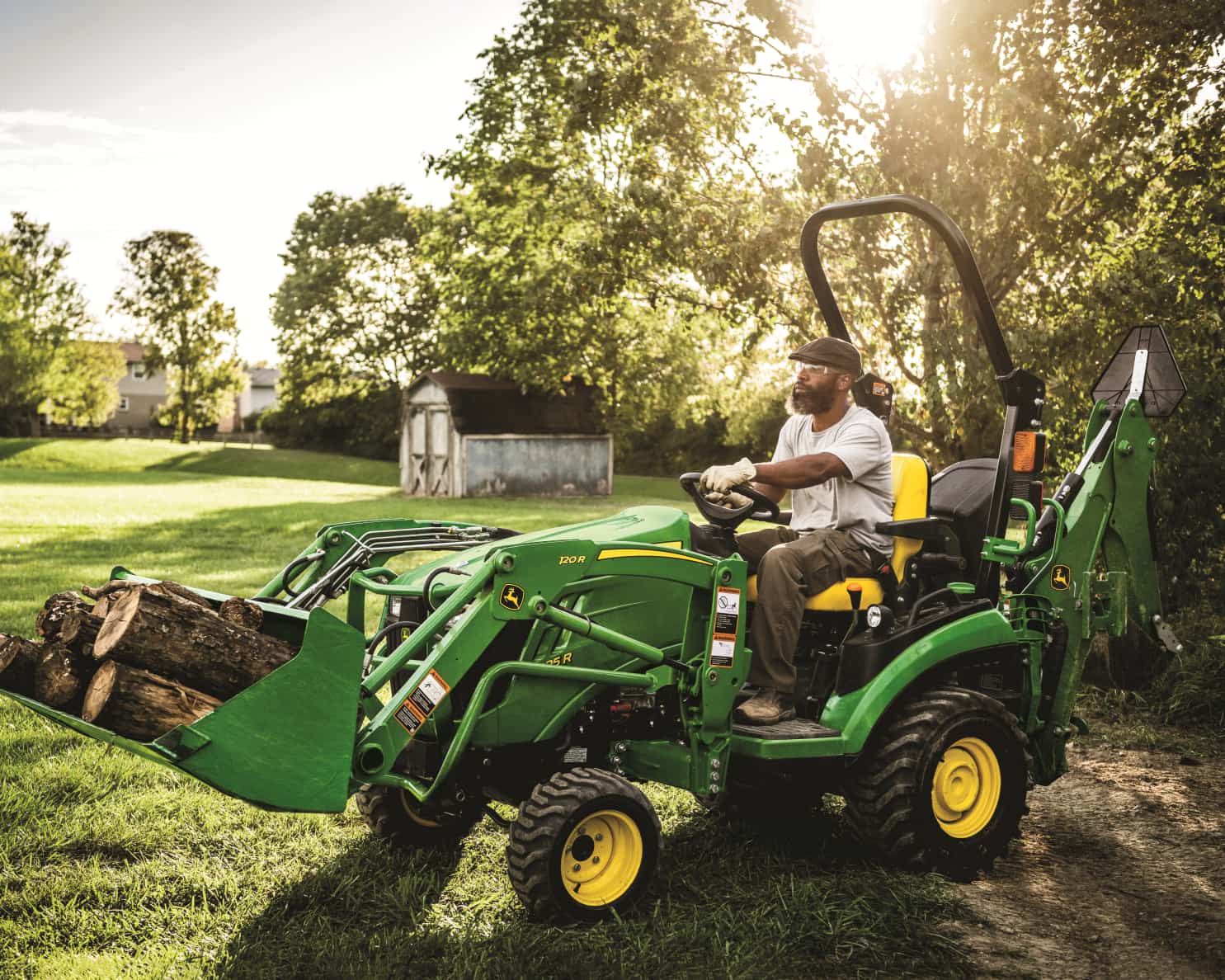
Winter gets most of the attention when it comes to tractor maintenance, and for good reason. But summer is when your cooling system can really give you trouble. When ambient temperatures climb, and your compact utility tractor is running hard through hay season, long mowing days, or back-to-back chores, a cooling system that’s been ignored all year is bound to fail.
Here’s the good news: cooling system issues are almost always preventable. Here’s what Northeast tractor owners need to know before the heat peaks.
Find Your Nearest United Ag & Turf
Why Summer Is the High-Risk Season for Overheating
You might not think of extreme summer heat as a real problem in the northeast. That’s exactly why so many operators neglect proper cooling system maintenance.
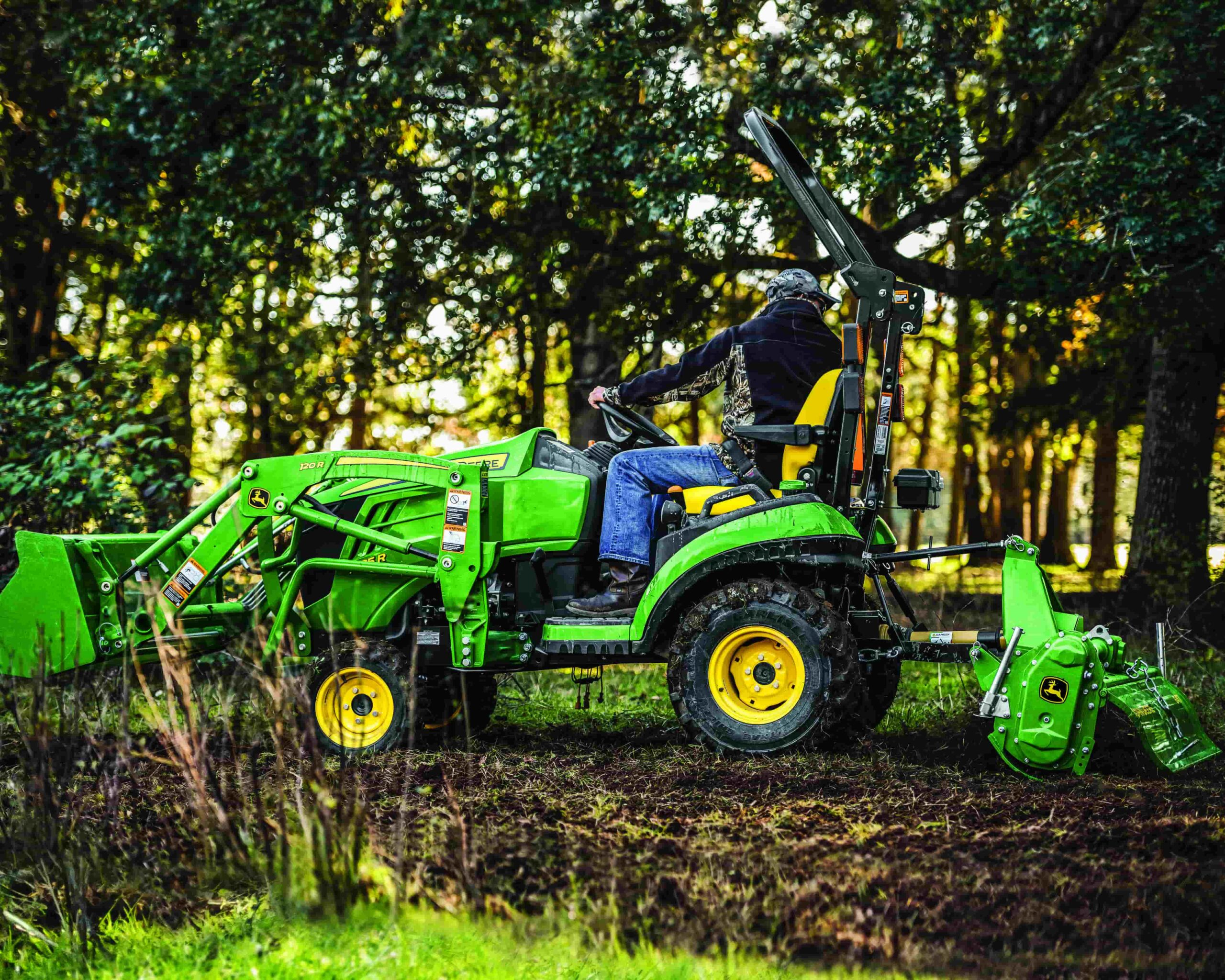
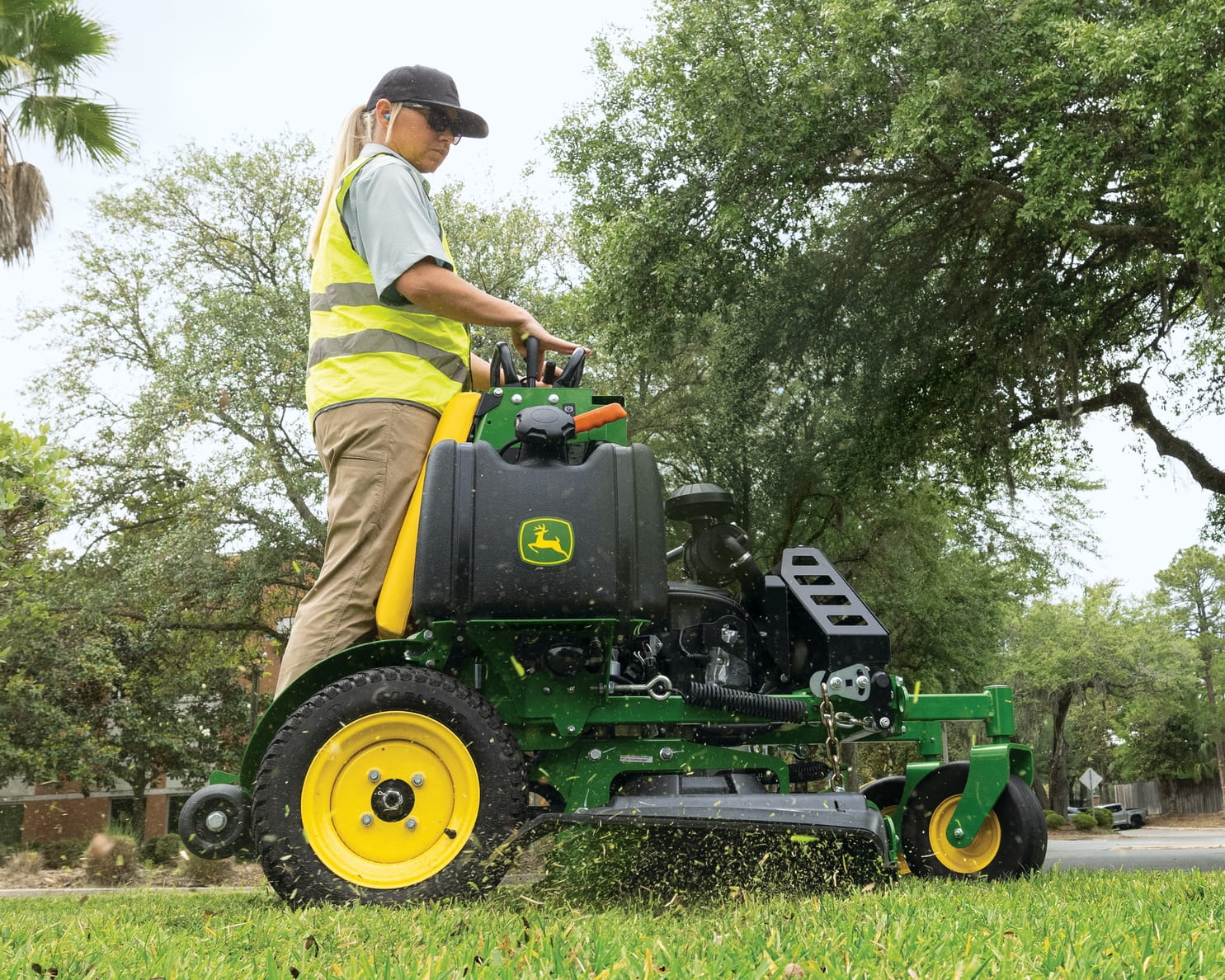
Debris loading is at its peak. Summer work entails mowing, hay work, mulching, brush clearing, and generates chaff, grass clippings, dust, and debris. That debris accumulates on radiator screens and cooling fins faster than in any other season. Even 30% blockage on your radiator screen will cause inefficiency and potential failure.
Operating loads are high. Long mowing days, loader work in heat, and PTO-intensive tasks like running a finish mower or rotary cutter keep engine temperatures elevated for extended periods.
Coolant degradation compounds over time. If coolant hasn’t been changed on schedule, its ability to transfer heat and prevent corrosion inside the system has degraded.
What to Check Before Summer Gets Underway
Radiator Screen and Fins
Basic radiator screen maintenance is the most common and most preventable cause of overheating. Inspect your radiator screen daily during heavy debris work, such as mowing, haying, and brush clearing, and clean as needed.
Tip: Never pressure wash fins from close range. The fins are thin aluminum and bend easily, which restricts airflow and worsens the problem.
Coolant Level and Condition
Checking the coolant level in the overflow reservoir weekly during heavy summer use is reasonable. Low coolant is a warning sign. In a properly sealed system, the coolant level shouldn’t drop. If you notice levels are dropping, there’s probably a leak or an internal issue that needs attention.
Check coolant condition as well. Coolant should be clear, not brown, rusty, or milky. Discoloration indicates contamination or degradation.
Radiator Cap
The radiator cap maintains system pressure, which raises the boiling point of coolant and keeps the system operating as designed. A cap that’s not seating properly or has a weakened pressure valve compromises the whole system. Caps are inexpensive to replace and easy to test. Give us a call!
Drive Belt Condition
The water pump and fan belt needs to be in good condition and properly tensioned. A slipping or worn belt reduces coolant circulation and flow, which will directly impact cooling capacity. Check belt condition at the start of the season, and any time you notice unusual operating temperatures.
What to Do If Your Tractor Overheats in the Field
If the temperature gauge climbs into the red or the warning light comes on, shut down the PTO and reduce load immediately. Move to a safe location and let the engine idle briefly before shutting off. Abrupt shutdown of an overheated engine can cause thermal shock.
Never remove the radiator cap on a hot engine. The system is pressurized, and the coolant is near or above the normal boiling point.
Let the tractor cool completely before investigating. Check the obvious things first: debris blockage on the radiator screen, coolant level in the overflow reservoir, and visible leaks.
Frequently Asked Questions
How often should I clean the radiator screen on my compact utility tractor?
During heavy debris-generating work like mowing, haying, and brush clearing, check and clean the radiator screen daily. During lighter-duty use, weekly inspection is typically sufficient.
What type of coolant does a John Deere compact utility tractor use?
John Deere specifies the coolant type by model. Check your operator’s manual for the correct specification. Using the wrong coolant type can cause seal degradation and corrosion inside the cooling system. Your United Ag & Turf service team can confirm the correct coolant for your specific machine.
Can I have my compact utility tractor’s cooling system serviced at United Ag & Turf?
Yes. United Ag & Turf’s service teams handle cooling system inspections, coolant flushes, thermostat replacement, and full seasonal service across all Northeast locations. Schedule before peak season to avoid wait times when everyone else needs service at the same time. Visit UnitedEquip.com to find your nearest location.