
In the Northeast, the planting window doesn’t wait. When the soil finally hits optimal temperature and conditions line up, you have a matter of days to get corn and small grains in the ground before the calendar starts working against you. Late planting means compressed growing seasons, increased disease pressure, and potential yield penalties.
Prepared farmers should be ready before the planting window opens: the right equipment staged, the right timing planned, and a clear understanding of what the Northeast’s growing conditions demand from row crop and small grain operations.
Find Your Local United Ag & Turf
Corn Planting in the Northeast
Optimal corn planting in the Northeast typically runs from late April through mid-May depending on elevation, geography, and annual conditions. In northern Maine and Vermont’s higher elevations, that window is compressed further.
Soil temperature is the governing factor, not the date. Corn germination requires consistent soil temperatures at planting depth (2 inches) of 50°F minimum, but ideally 55°F or above for reliable emergence. Planting into cold, wet soils increases disease risk, can cause uneven emergence, and sets up a season of potential issues that even ideal conditions can’t fully correct.
The Cost of Late Planting
Research consistently shows yield drag for corn planted past the optimal window. Typically, this means a 0.5–1.5% yield loss per day of delay past the mid-May threshold in much of the Northeast. For operations running significant corn acreage, that math adds up fast.
Small Grains Timing
Winter wheat, oats, spring barley, and other small grains have their own timing demands that differ significantly from corn.
Spring-planted small grains like oats, spring barley, and spring wheat go in as early as the soil can be worked. Often, late March to mid-April in the lower Northeast is optimal. Early planting is a yield advantage for small grains, not a risk.
Winter wheat is established in fall (typically September–October in the Northeast) for spring maturity. If your operation includes winter grains, late summer and early fall are the critical planning and equipment preparation periods.
Row Crop Planters: What Northeast Operations Need
Planting equipment for corn and small grains in the Northeast is shaped by a few factors: smaller field sizes than Midwest operations, varied terrain, and the need for precision in a tight planting window.
Row Crop Planters
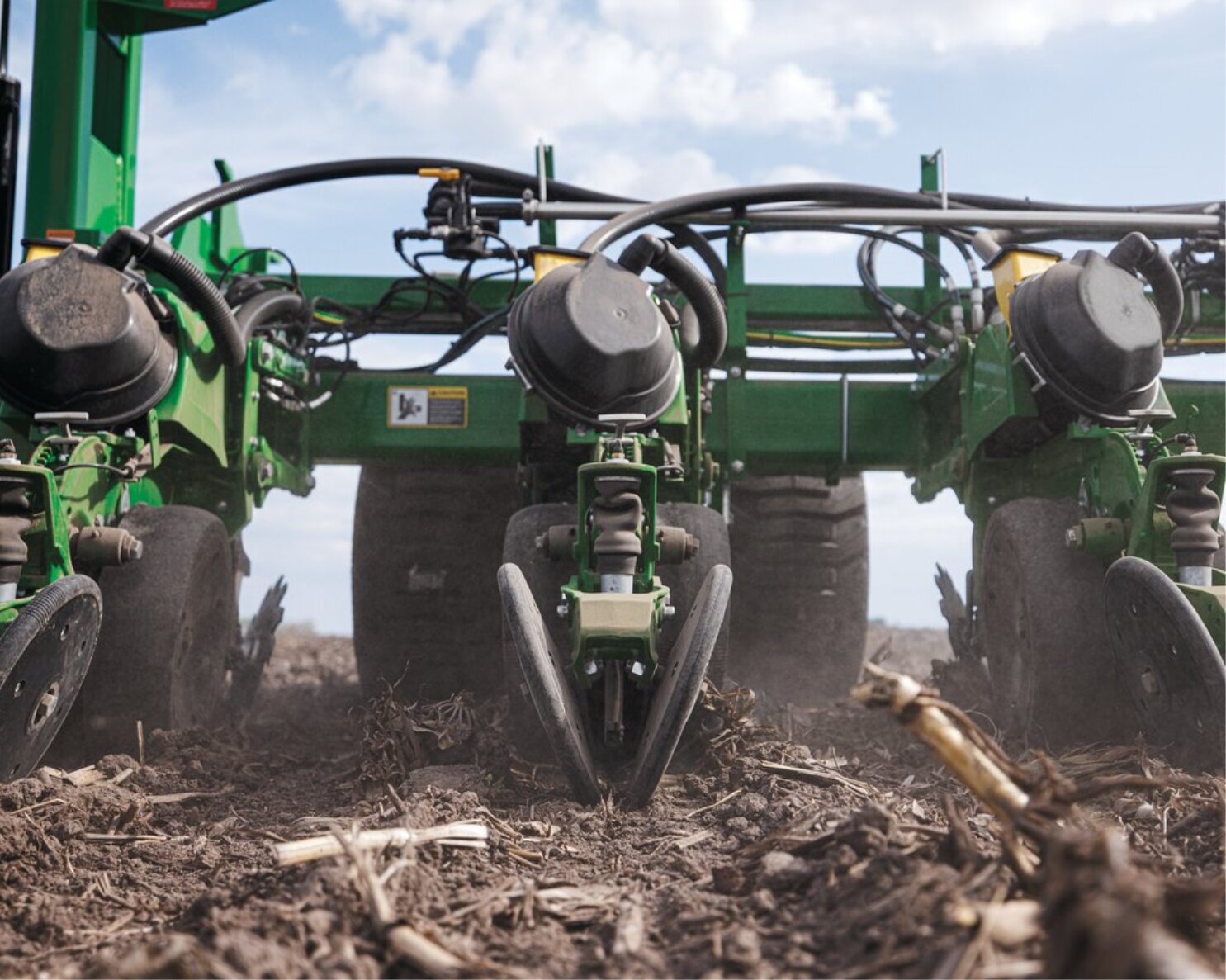
John Deere’s planter lineup — including the DB Series and MaxEmerge 5 equipped models — brings precision seed placement, individual row shut-off, and variable rate seeding capability that pays off in Northeast fields where soil variability can be significant. Individual row control reduces seed waste in headlands and irregular field shapes, which are common on the smaller acreages of the Northeast.
Utility Tractors for Planting Operations
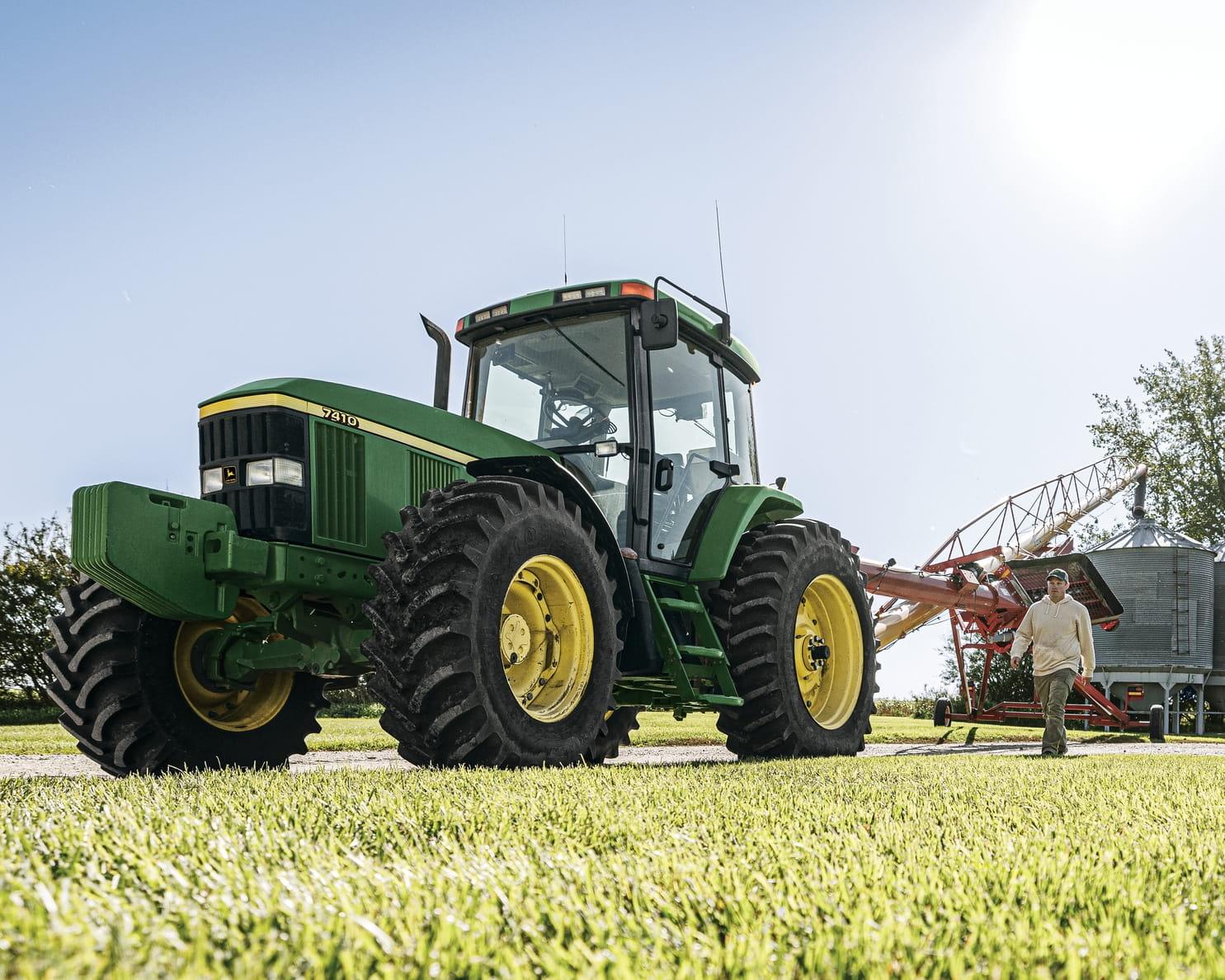
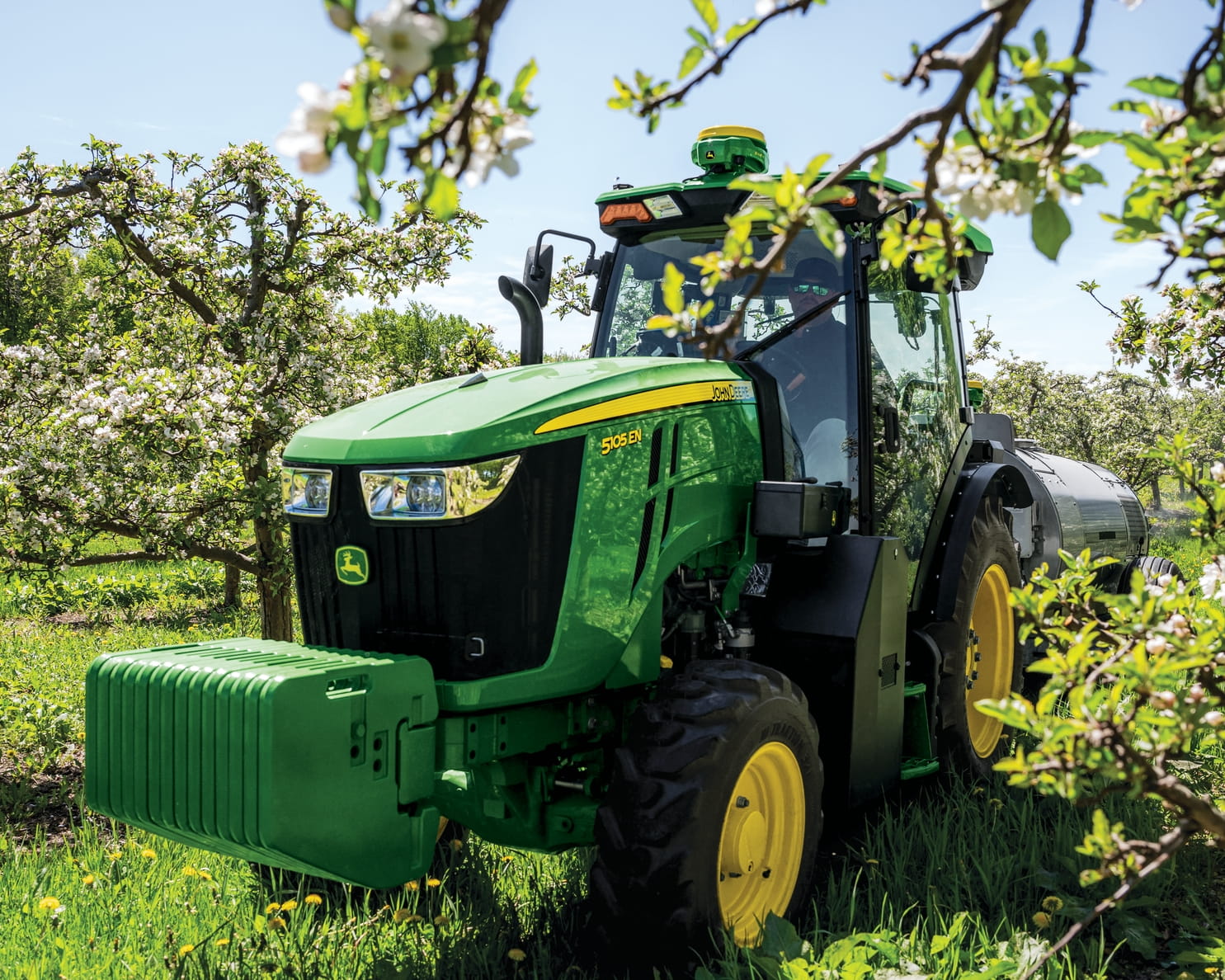
The right tractor for planting depends on your planter width and field conditions. John Deere’s 5 Series and 6 Series utility tractors cover the power range most Northeast corn and grain operations need, from the 5075E at 75 HP for smaller planter configurations to the larger 6 Series for wider planters and heavier tillage ahead of planting.
For operations also doing their own tillage, tractor selection needs to account for both tasks. United Ag & Turf’s team of experts is here to help you understand the specs required to handle a full spring workload without being oversized for your operation.
Soil Preparation Equipment
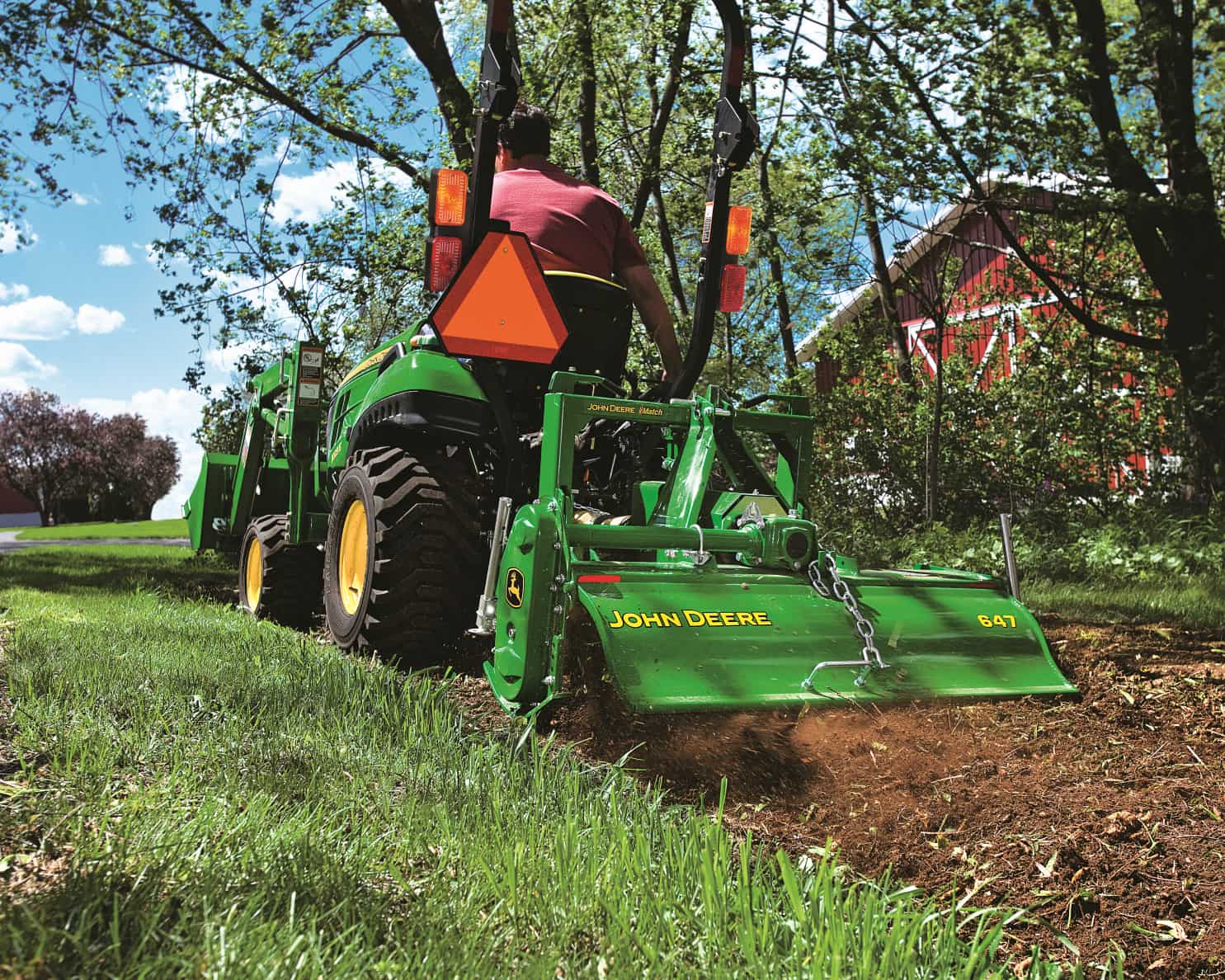
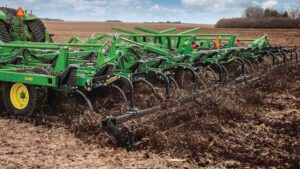
A planter can only perform as well as the seedbed it’s working in. Disk harrows, field cultivators, and vertical tillage tools ahead of planting set up the conditions for even emergence. John Deere’s tillage lineup covers the full range of Northeast field preparation needs, from light residue management to heavier primary tillage on ground that hasn’t been worked.
Northeast Considerations
Soil Drainage
Heavy spring rains are common in the Northeast. Fields with drainage issues warm more slowly and stay wetter longer. Know which fields are marginal and build your planting schedule around well-drained ground first.
Headland Management
Smaller Northeast fields mean a higher percentage of your acreage is headland. Row crop planters with section control and individual row shut-off directly address the input waste that headland overlap causes. This feature pays for itself quickly in smaller-field operations.
Frequently Asked Questions
When should I plant corn in the Northeast?
Target soil temperatures of 50°F or above at a 2-inch depth, typically late April through mid-May, depending on your location. Northern areas of Maine, Vermont, and New Hampshire often have a later optimal window. Contact your United Ag & Turf dealership to discuss local conditions.
What corn relative maturity should I plant in the Northeast?
Most Northeast corn production targets 85–100 day relative maturity, with northern areas typically using shorter varieties (75–90 day). Consult with your seed supplier and local extension for variety recommendations specific to your geography.
What John Deere tractors work well for row cropping in the Northeast?
The 5 Series and 6 Series utility tractors cover the power range most Northeast corn and grain operations require. Your United Ag & Turf team is here to help match tractor size to your planter configuration and field size.