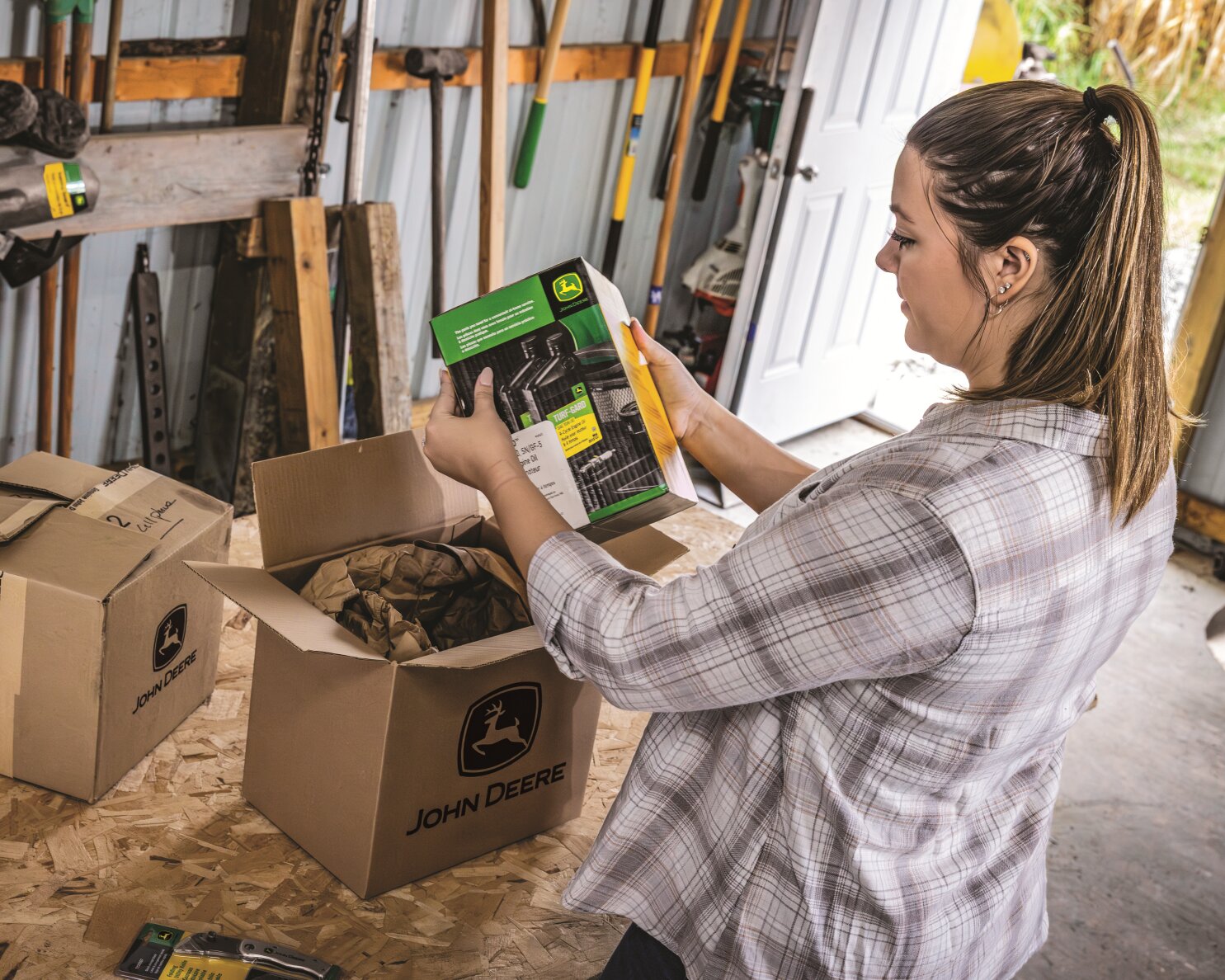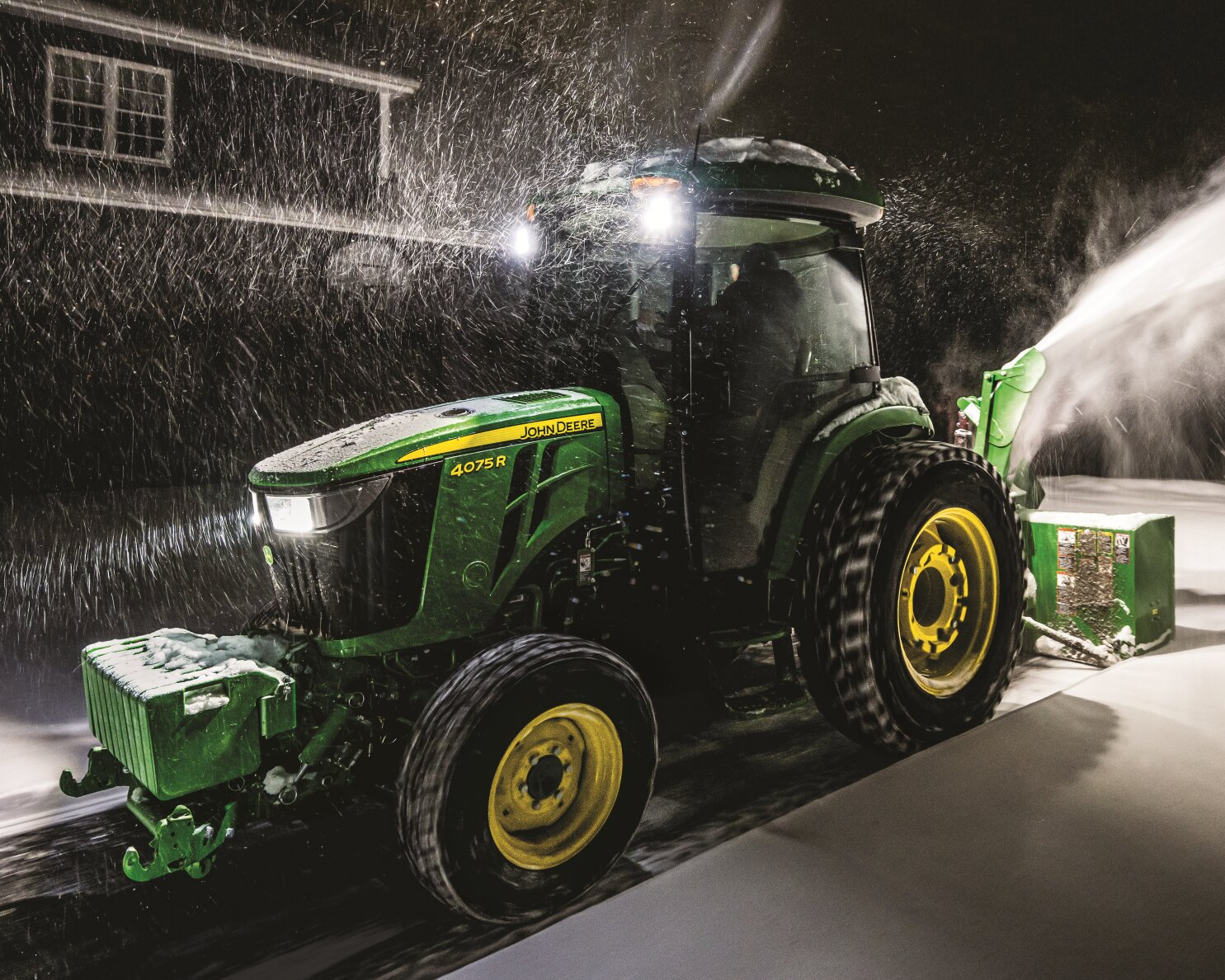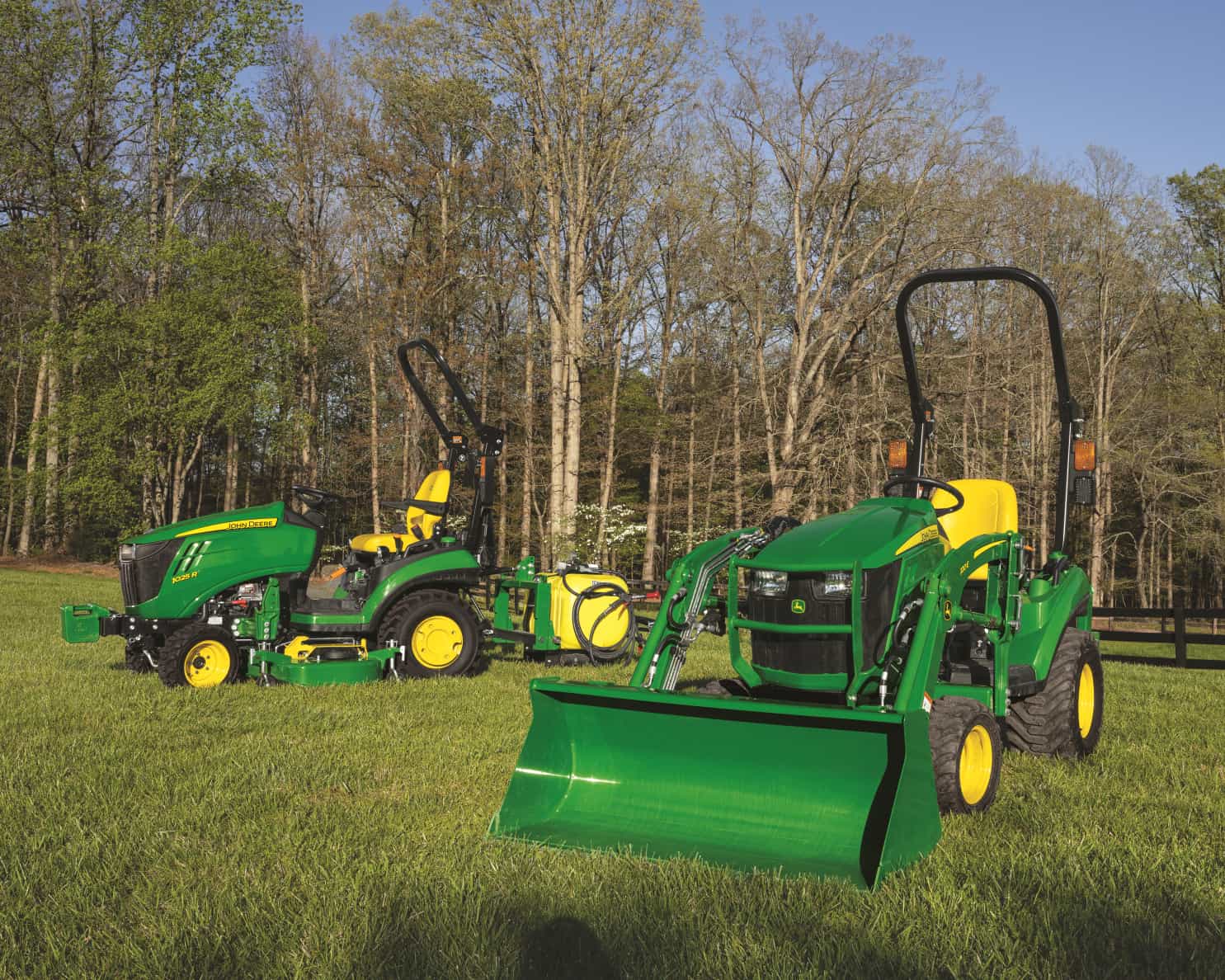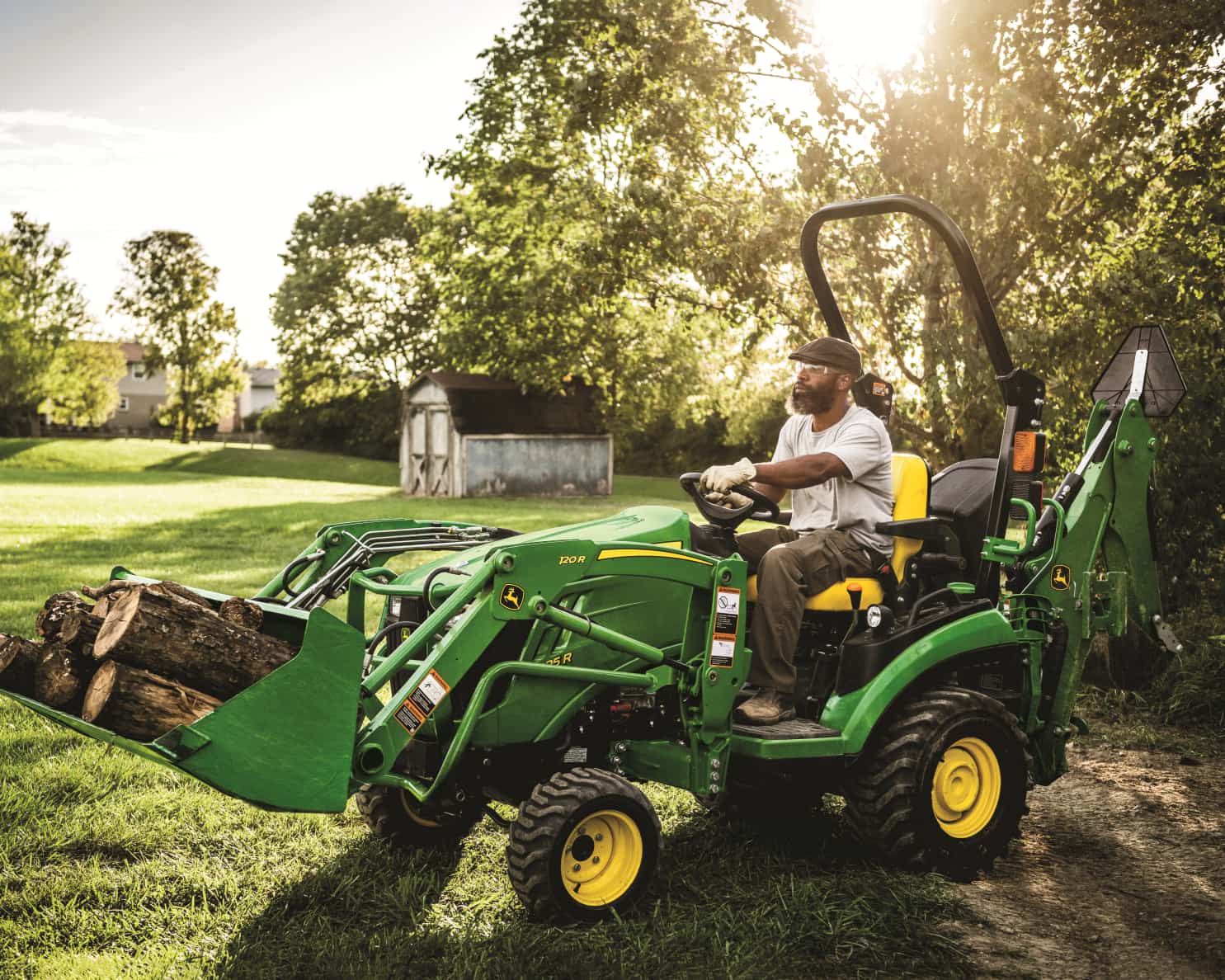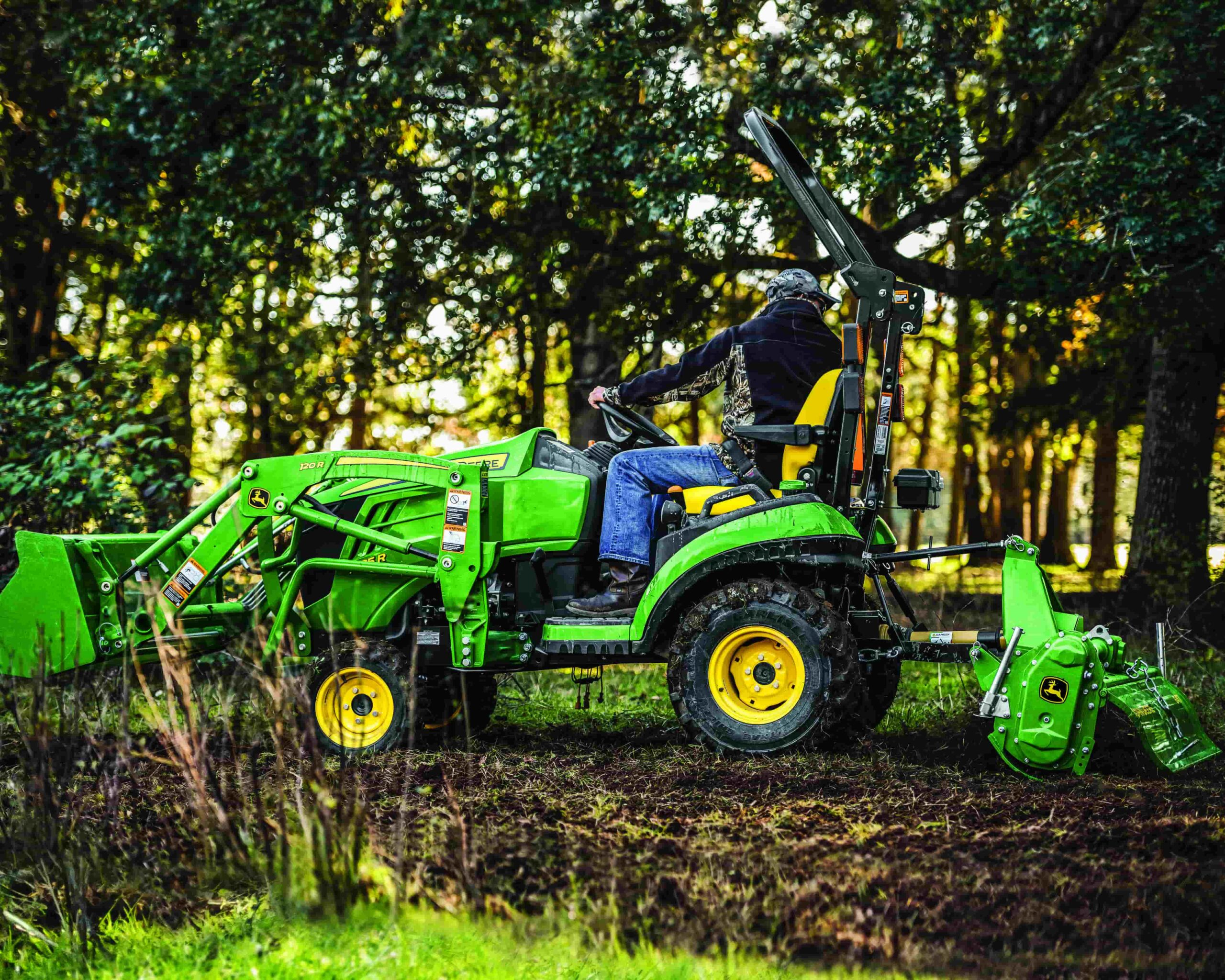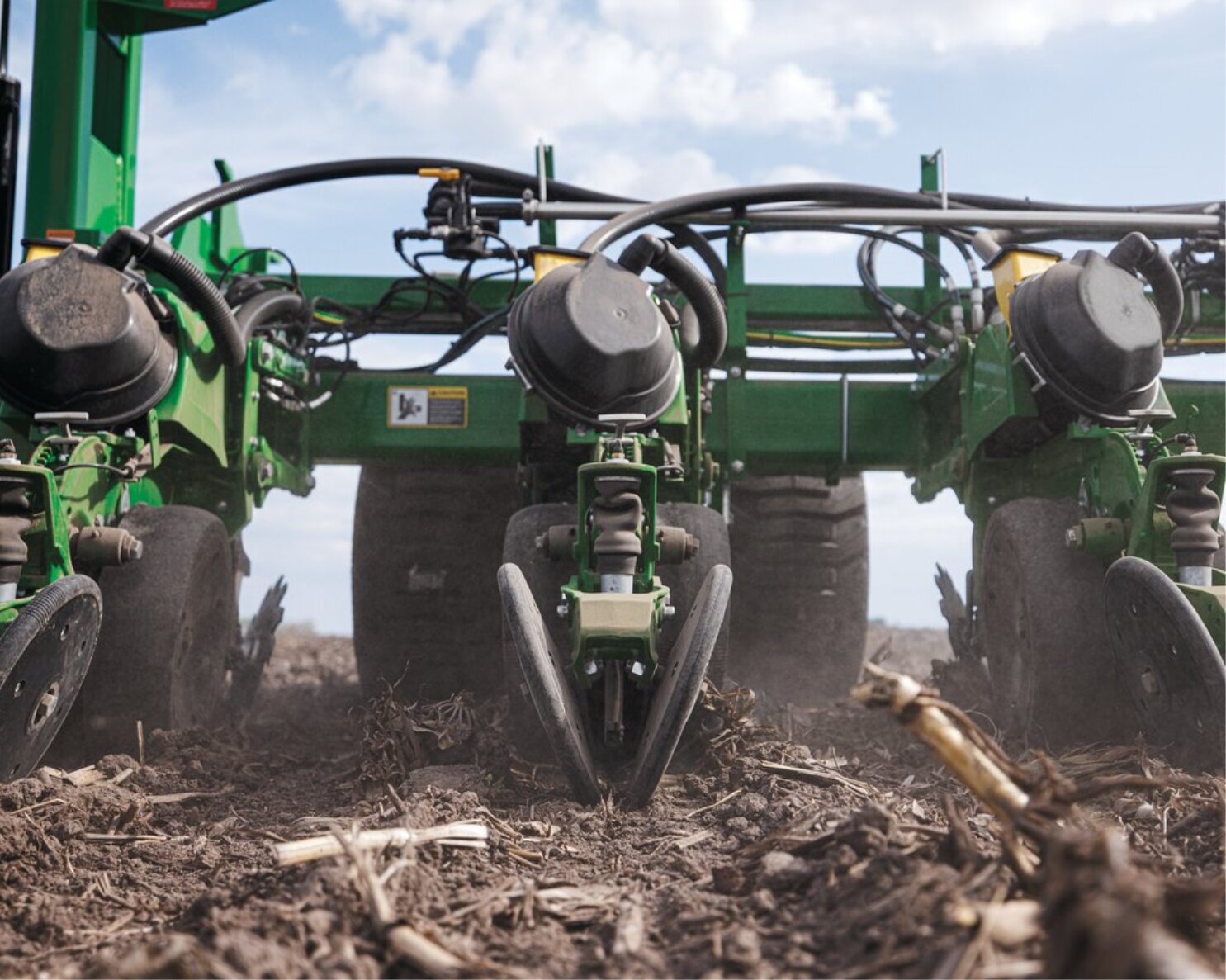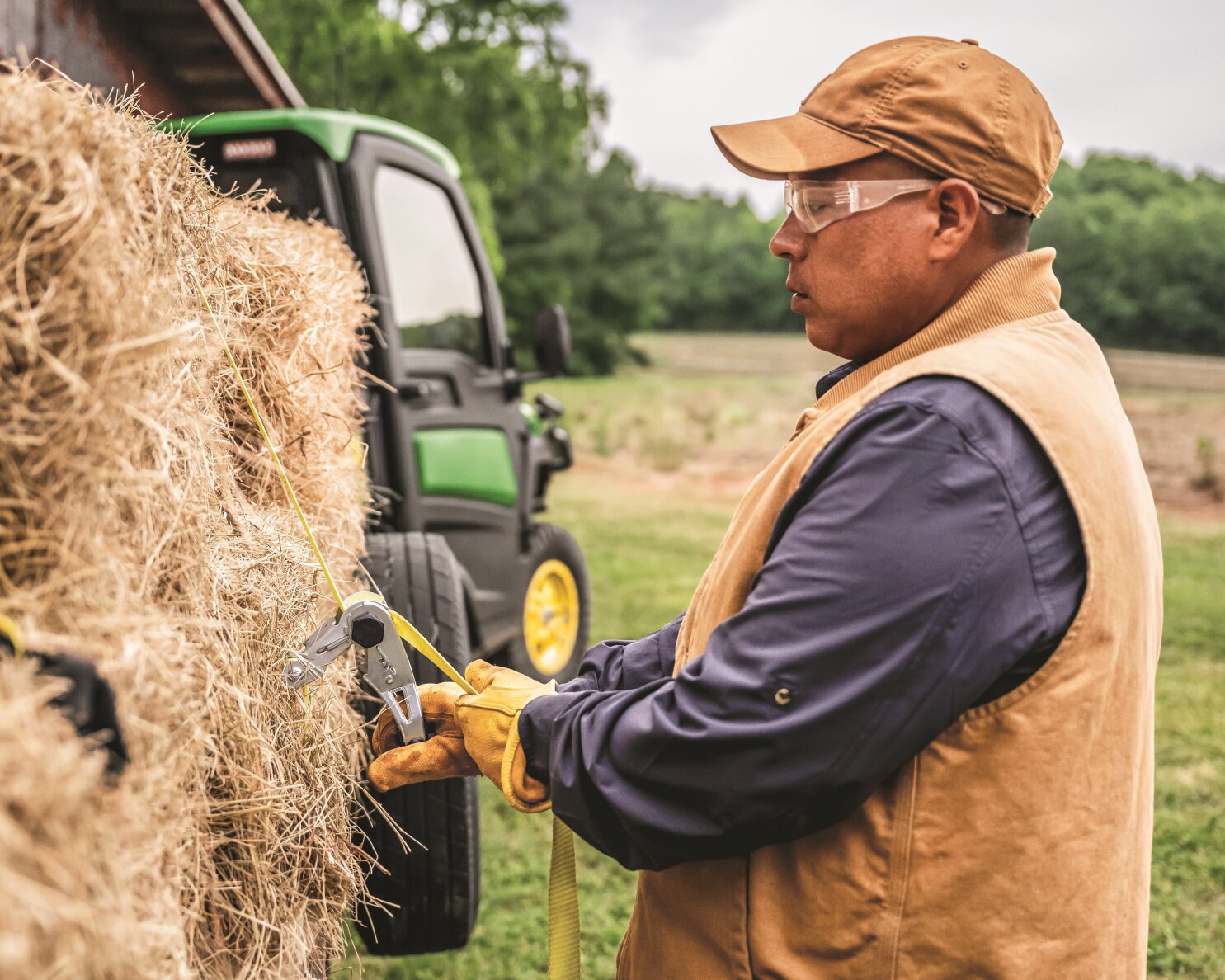

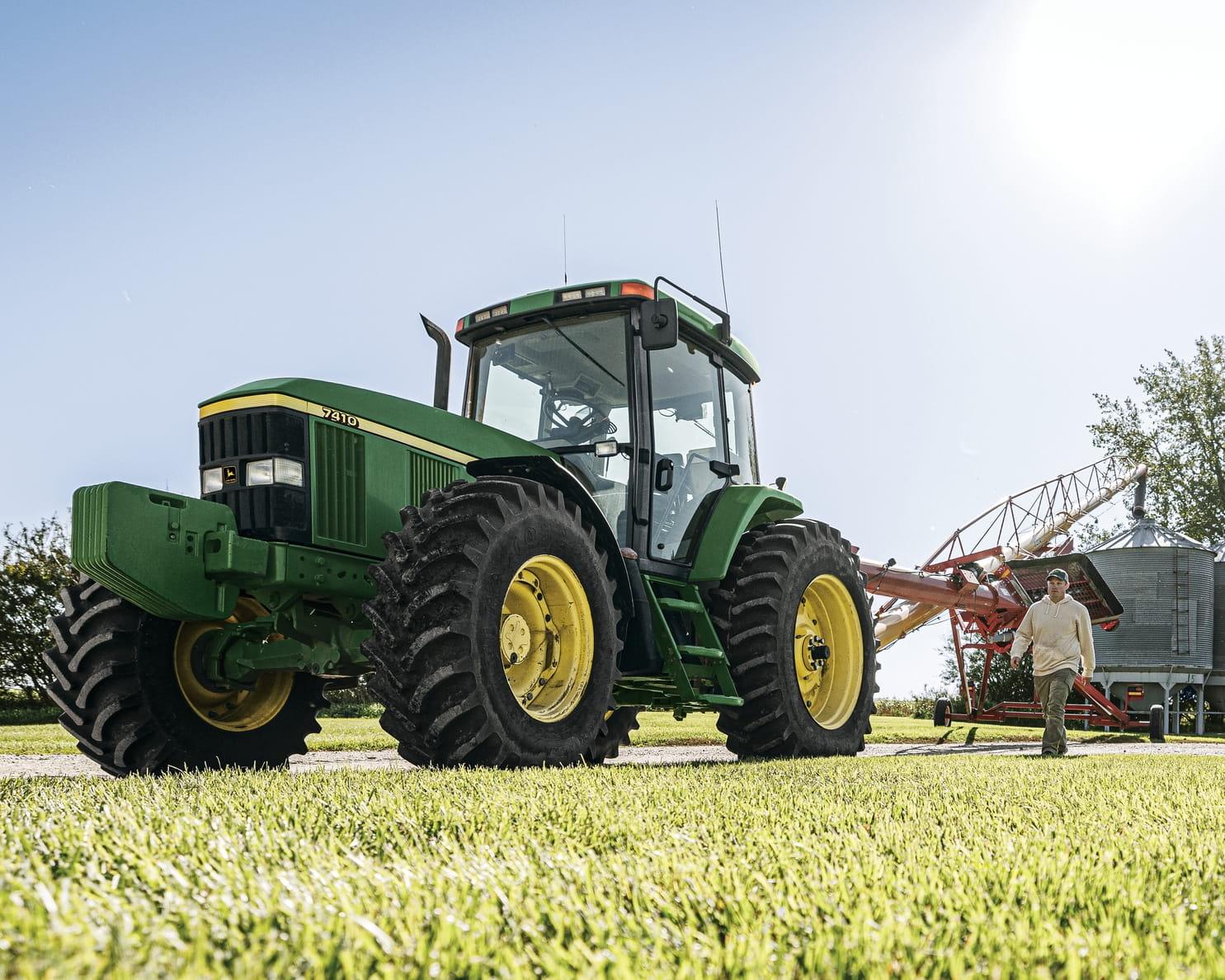
We’re always reminding you of spring maintenance — and for good reason. A pre-season oil change, fluid check, and greasing are necessary steps. But equipment operators mustn’t neglect service at the mid-season checkpoint. At this point in the season, your machine has likely undergone wear and fluid degradation. To prevent potential failures, consider an August maintenance checklist. Here’s United Ag & Turf’s guide to mid-season maintenance in the Northeast — you won’t want to skip these.
Find Your Nearest United Ag & Turf
Engine Oil and Filter
Typically, compact and utility tractors call for an oil and filter change every 100-200 hours, depending on model and working conditions. If you started the season fresh in April and you’ve been putting in hours haying, mowing, and tackling summer projects, you may be nearing or past your interval by mid-summer. Check your hour meter and refer to the service schedule in your operator’s manual — no need to estimate. Degraded oil in the heat of summer operation is a recipe for downtime.
Air Filter
Summer in the Northeast is no joke, and your air filters will pay the price if you’re not keeping up with maintenance. Dry conditions, cut grass, and dusty field work can clog your filter significantly faster than spring or fall work typically does. Restricted airflow places unnecessary strain on your machine, boosts your fuel consumption, and in extreme cases can cause irreversible damage to your engine. Inspect your filter visually. If it’s dirty, or you’re seeing black smoke when working under load, it’s time to replace the filter. This is a five-minute task that you’ll regret putting off.
Hydraulic System
Hydraulic fluid and filter service is one of the most-skipped maintenance tasks. Check fluid level and condition. If the fluid is dark, cloudy, or has a burnt smell, it should be changed regardless of hours. Inspect hydraulic hoses for cracking and weeping at fittings. A hose failure mid-task is not only a hassle, but it’s also an environmental issue. Address marginal hoses now before they fail in the field.
Grease Points
If you’re on top of spring maintenance, you probably greased at the beginning of the season. But if you’re running a loader, a belly mower, or a heavy implement through a full season of summer work, those grease intervals come around quickly. Consider a mid-season greasing on loader pivot points, front axle kingpins, and PTO shaft connections. Neglected grease points wear faster — and replacement costs a lot more than a tube of grease.
Cooling System
Summer heat puts the cooling system under more sustained stress than any other time of year. Check coolant level and inspect the radiator core for debris accumulation — grass clippings, chaff, and dust pack into the fins and reduce cooling efficiency significantly. A fin comb or careful compressed air can clear most debris; inspect carefully rather than using high-pressure air directly on the fins, which bends them. Confirm that the radiator cap is sealing correctly, and that coolant concentration is appropriate.
Belts and PTO
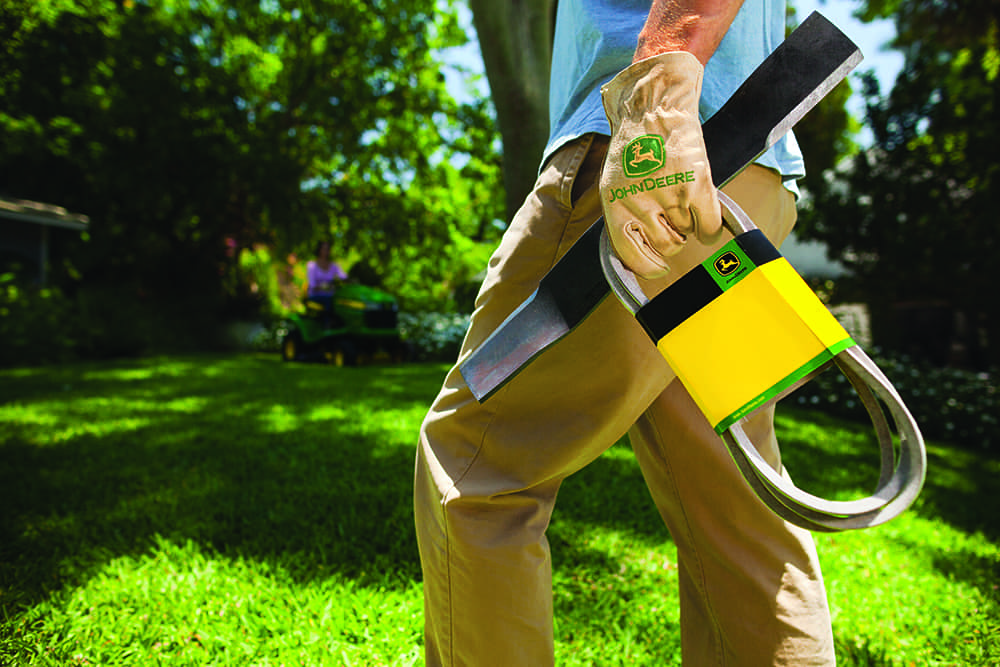
Mower deck belts, alternator belts, and PTO-driven component belts can wear significantly after a season of heavy use. Mid-season is a good time to inspect for fraying, glazing, or cracking before a failure leaves you with unexpected costs and downtime. A belt that’s showing wear in July will almost certainly fail before fall if left unaddressed.
Don’t Wait for a Symptom
The pattern for most mid-season failures is consistent: the owner noticed something was slightly off — a slower hydraulic response, a slightly rough idle, a belt that looked worn — and kept running the machine until it stopped. Mid-season maintenance is about catching those marginal conditions before they become stopped machines. United Ag & Turf’s service teams are equipped to handle mid-season inspections and service across the full John Deere compact and utility tractor lineup, and scheduling now is easier than scheduling after something has already failed.
Frequently Asked Questions
How do I know when my tractor is due for service?
Check your hour meter against your recommended service intervals. Don’t rely on the calendar or on guesswork. Most compact and utility tractors hit major service milestones between 100 and 200 hours.
Can I do mid-season tractor maintenance by myself?
Most mid-season checks like air filters, fluid levels, greasing, and belt inspections, are straightforward and can be carried out by any tractor owner. Hydraulic fluid changes and fuel system work are common tasks to hand off to a professional if you’re uncomfortable doing the work yourself.
What’s the most common cause of tractor breakdowns in late summer?
Deferred maintenance is the most common reason for breakdowns at any time of year. Don’t neglect hydraulic fluid, clogged air filters, or borderline belts. A mid-season inspection catches these marginal conditions before they become unwanted downtime.