

Tractor tires are a major component of work efficiency. Replacing tires before it’s too late will result in faster work, better fuel efficiency, less slippage, and more. So, let’s take the guesswork out of the equation and discuss when it’s time to change your tractor tires.
Find Your Nearest United Ag & Turf
What to Watch For: Visible Wear
Tread Wear
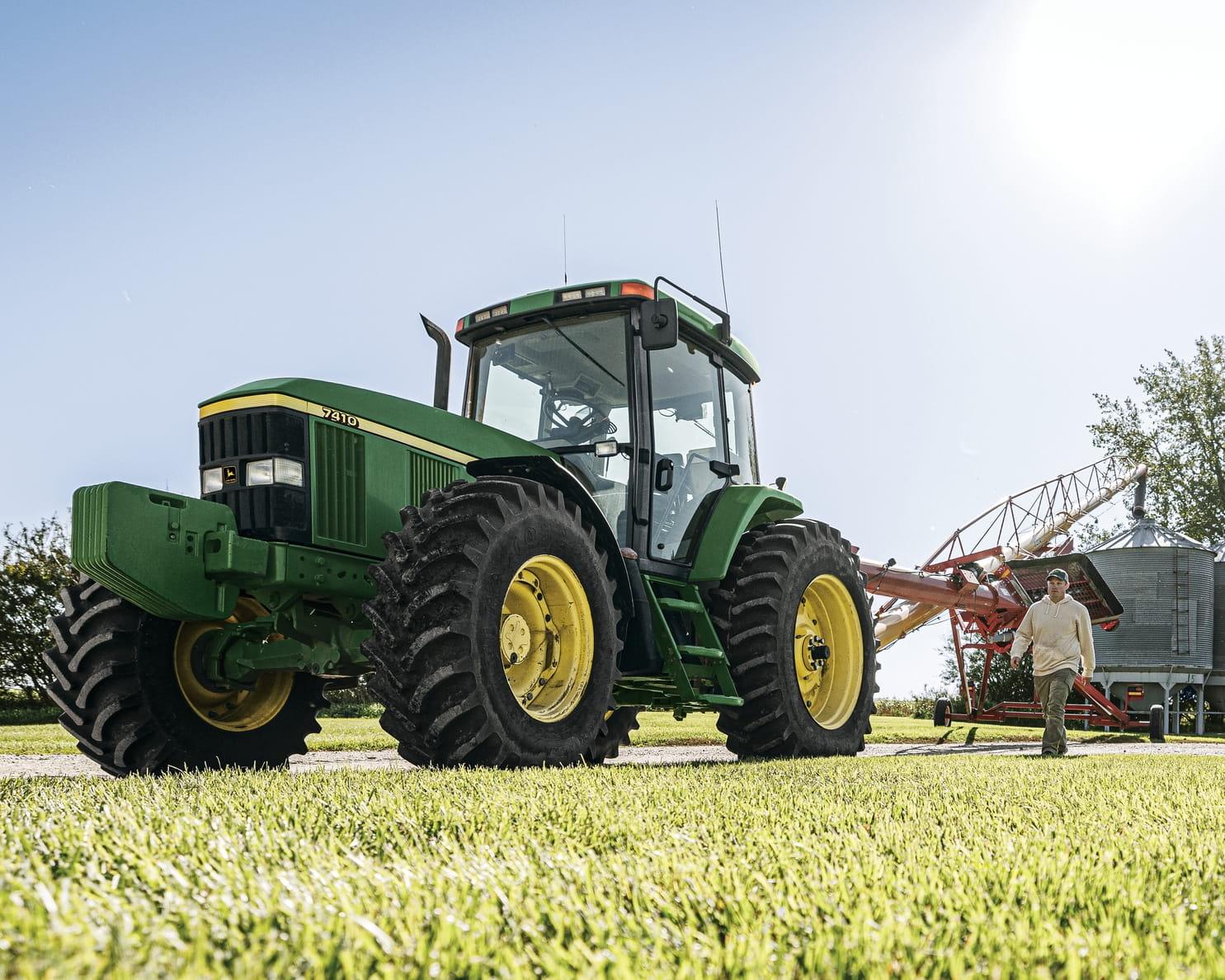
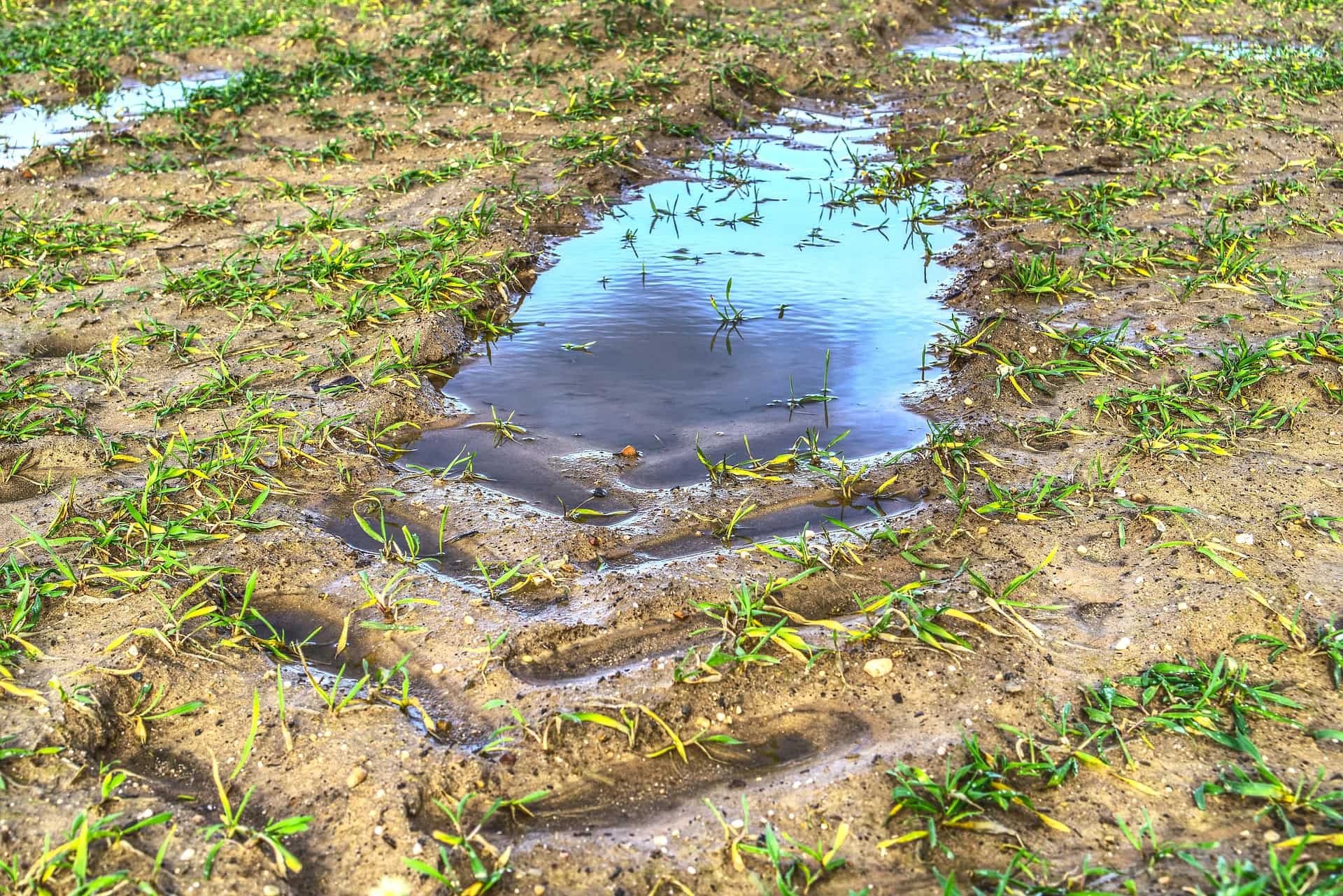
This is the most commonly referenced indicator of when to replace your tractor tires. Once your tire tread is worn to 20% or less of its original depth, you should replace it. Sufficient tread is the key to ensuring traction and fuel efficiency, especially in tougher and wetter working conditions.
Quick Tip: When working on soils prone to unwanted compaction or erosion, deeper tread depth will help to minimize your risk of damaging the ground.
Cracks and Sidewall Damage
Another major sign of tire damage is sidewall cracks or bulges. In the Northeast, severe fluctuations in temperature and weather can damage your tire’s sidewalls.
Frequent Loss of Pressure
Tire failure doesn’t always come all at once. Frequent re-inflation can be a sign that your tires are damaged and leaking air.
Quick Tip: While re-inflating your tires can feel like only a minor inconvenience, it’s a sign of more damage to come. Again, it’s always better to repair and replace tires before complete failure to minimize downtime.
When Working with Older Tires
Reduced Fuel Efficiency
When your tires fail to perform optimally, you’ll notice lower fuel efficiency. Newer tires with deeper tread and better tread patterns will help to maximize fuel efficiency.
Slower Progress
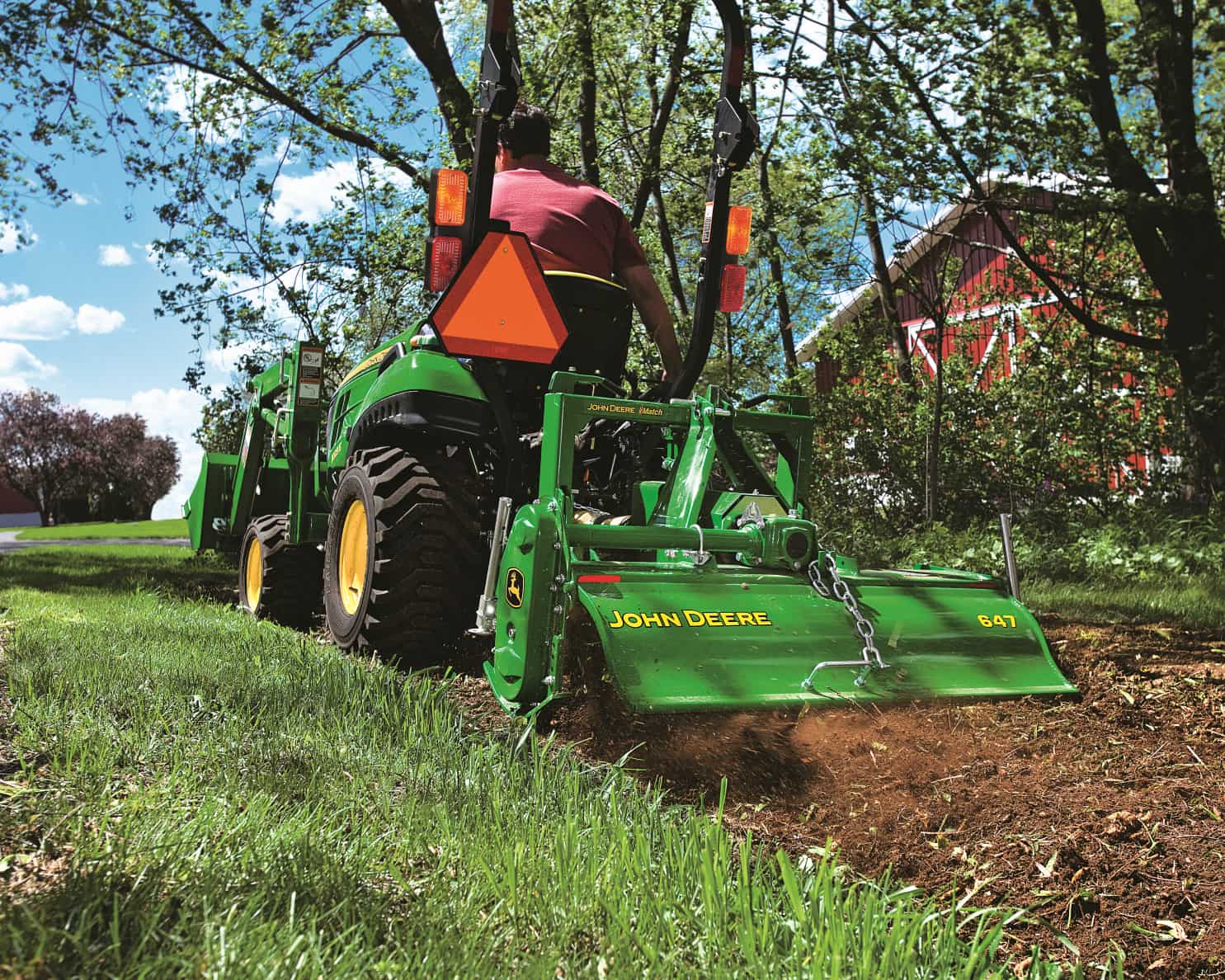
Worn and shallow treads will lead to slippage, especially in wetter working conditions. Excellent tire traction is necessary when performing high-torque tasks like plowing or tilling. Not only will newer tires save you fuel and money, they’ll save you time on the job.
Tire Age
Last but certainly not least, it’s important to consider the age of your tires. Whether your tires are showing visible signs of wear or not, most tires will need to be replaced after 5-6 years. Quick Tip: Regular tire rotation and maintenance can help to extend the life of your tires. That said, old tires are always a risk of failure on the job.
Overdue for maintenance? Schedule your appointment now.