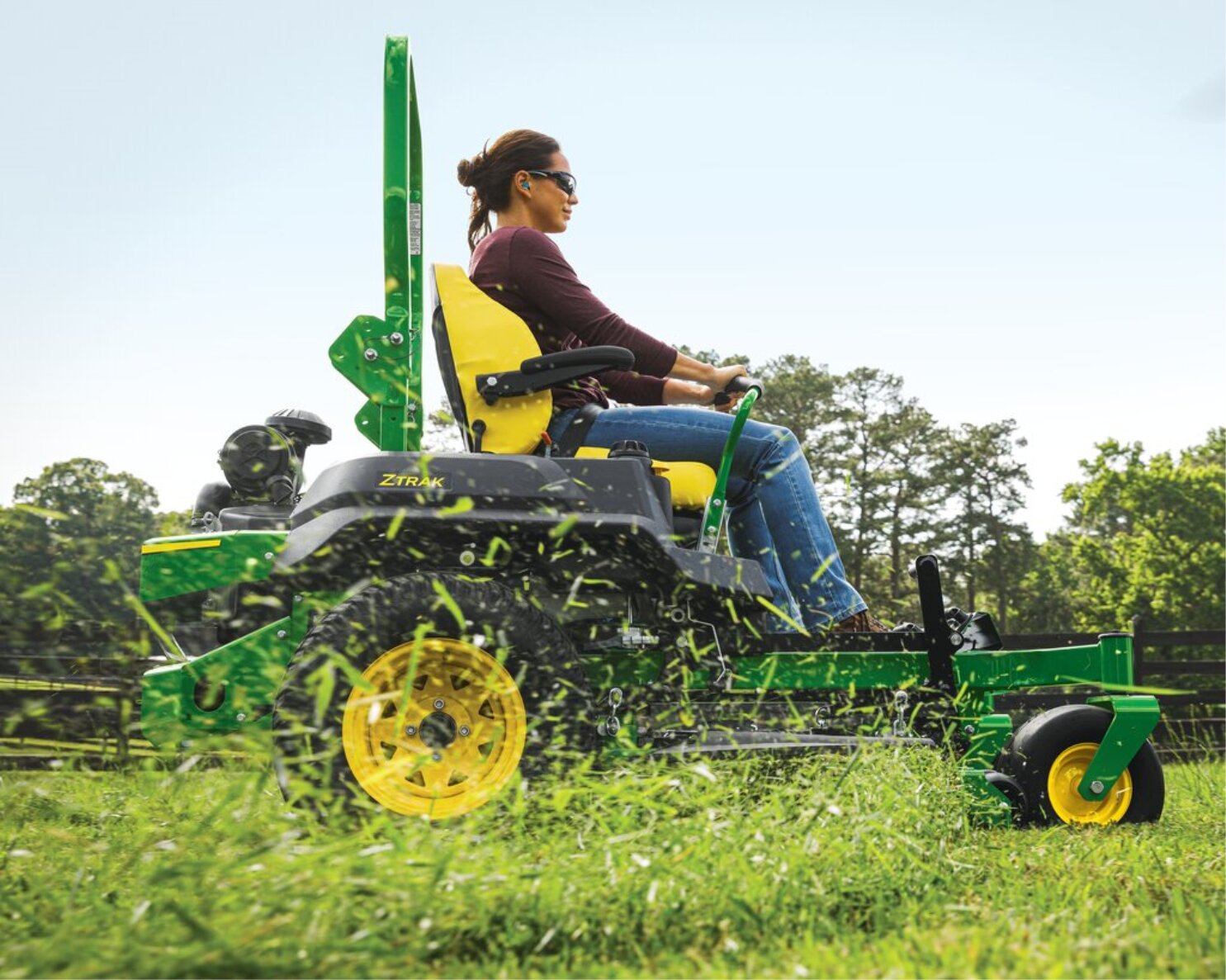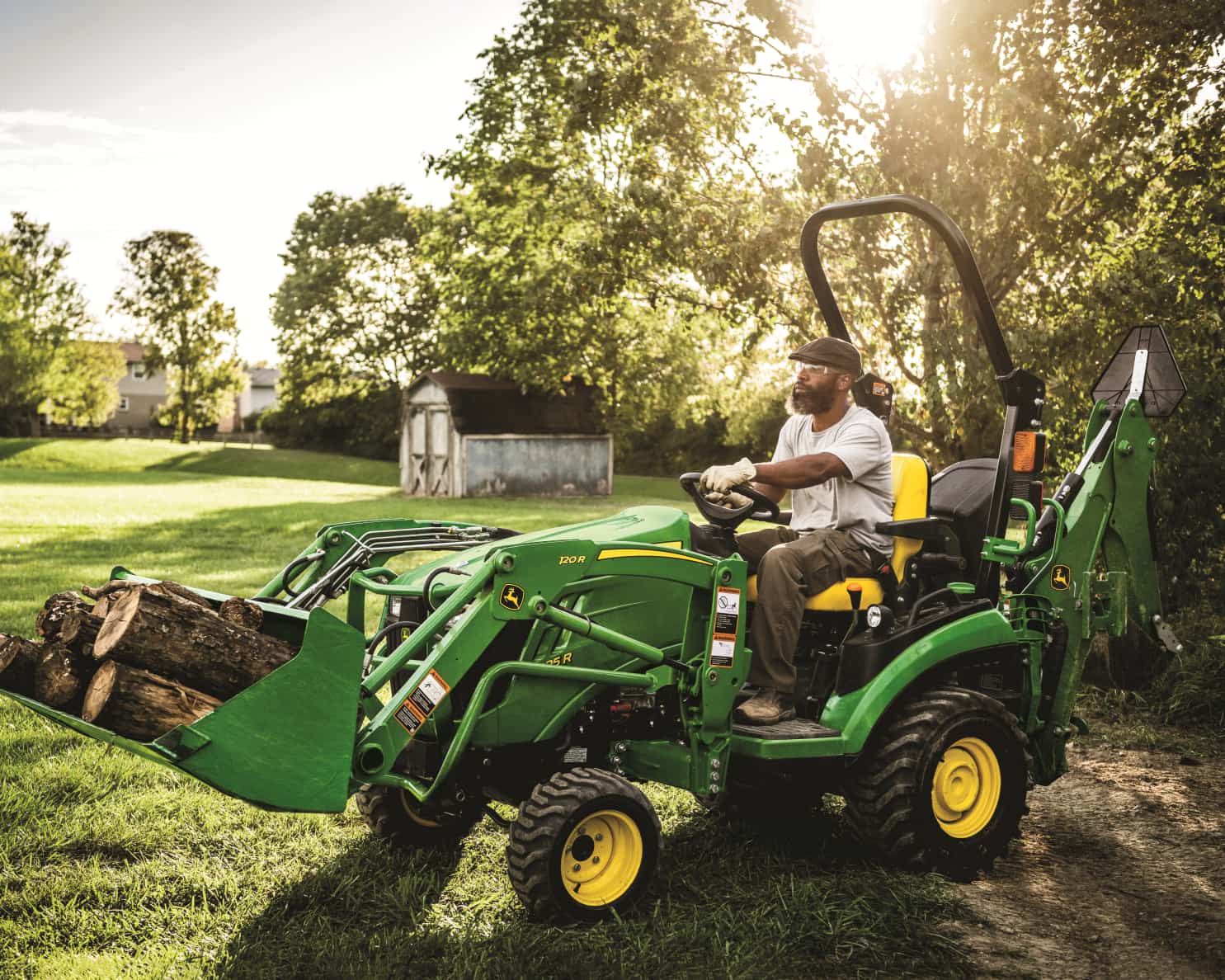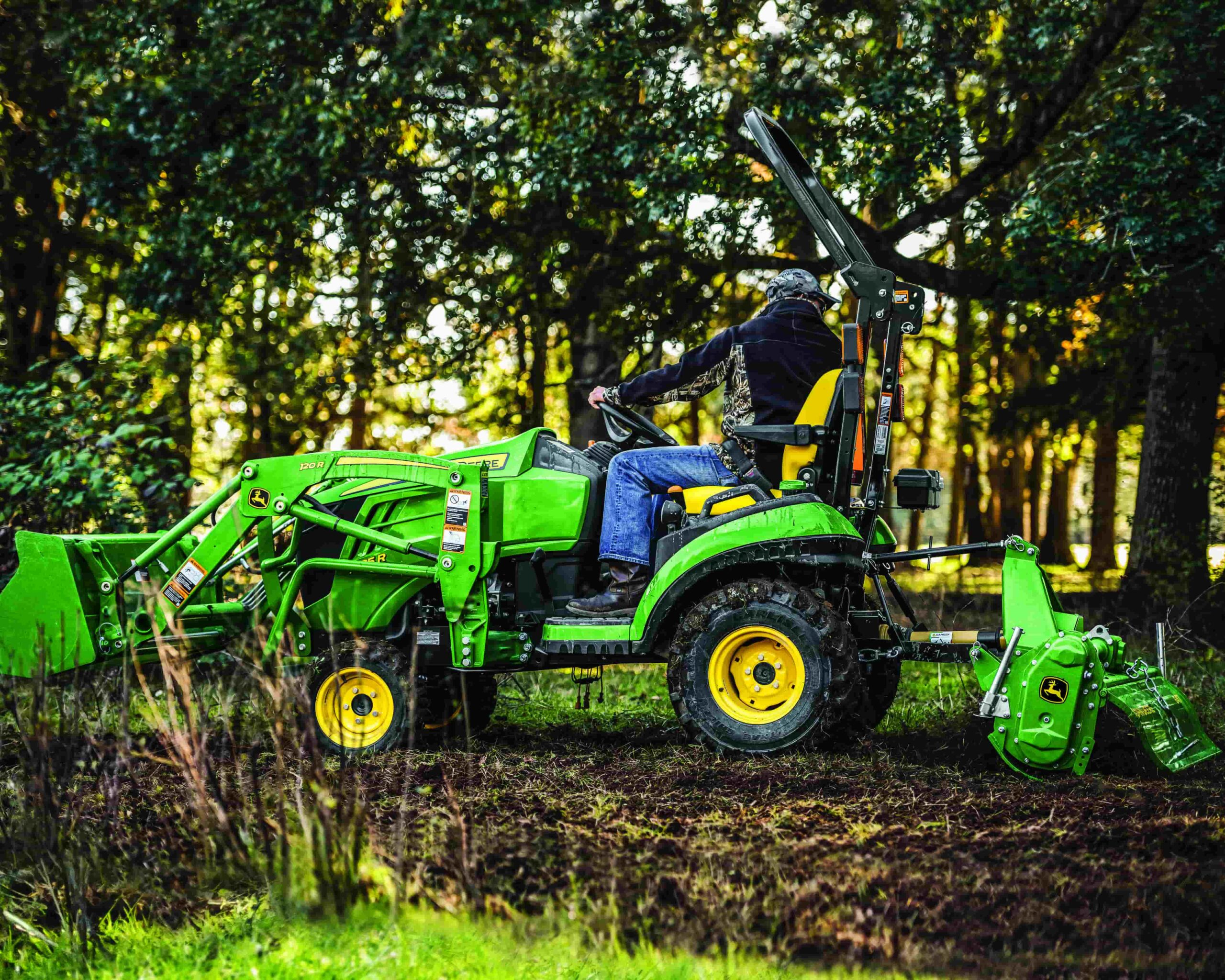

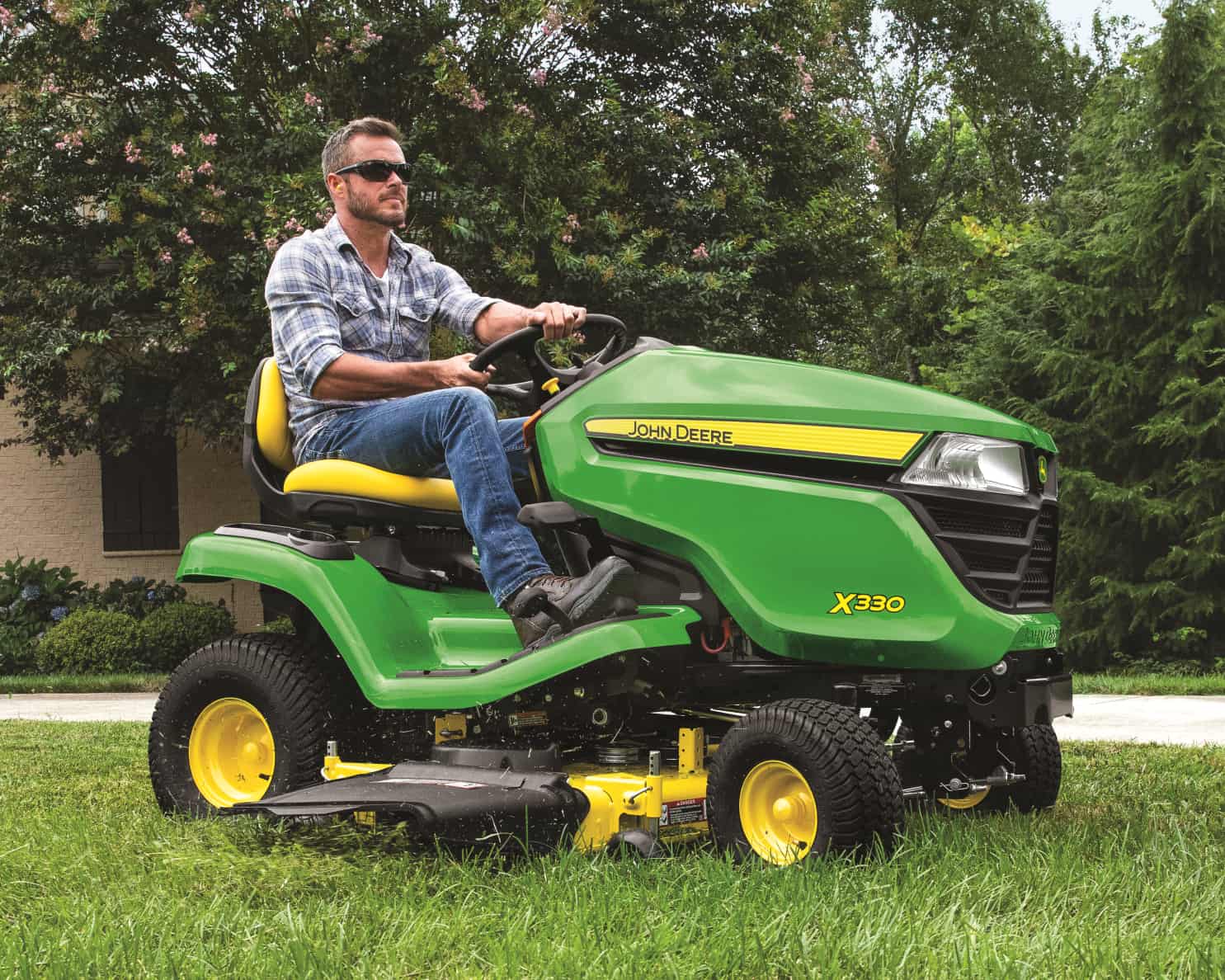
If your lawn tractor sits in storage through the winter, it’s likely you haven’t operated it since October or November—that’s a long time to sit idle. Before you fire it up for the first cut of the season, it’s worth taking a few minutes to make sure your machine is in working order. A half hour of maintenance now can save you hours of downtime and hundreds in repairs. Read on to learn United Ag & Turf’s basic tips for ensuring your lawn tractor is ready for mowing season.
Find Your Nearest United Ag & Turf
Browse John Deere Lawn Tractors
The Basics: Fluids and Filters
Fluids degrade over time, especially when left to sit for long periods. The first step is to check—and freshen up—every fluid.
Start with engine oil. If you didn’t change your oil before putting your mower into storage, now is the time. Old oil can accumulate moisture and contaminants over the winter, and running your machine on degraded oil puts easily avoidable stress on your engine. While you’re in there, go ahead and replace your oil filter.
Next, check coolant levels and the fuel system. Did you add a fuel stabilizer before winter? If so, you’re in good shape to just top off your fuel. If not, drain your old fuel and start fresh. Old fuel leads to hard starts and rough running.
Don’t forget to inspect your air filter. A clogged air filter is a cheap and easy fix that will have your mower running cleaner in a matter of minutes.
Read Our Blog: Winterize Your Mower Before Storage
Battery Inspection
Extreme temperatures can be hard on batteries, and sitting unused for several months can drain a battery more than you might expect. Test your battery voltage. If it’s low, charge it fully before starting the engine. If you notice it’s struggling to hold a charge, now’s the time to replace it before you’re stranded mid-lawn with a dead battery.
While you’re inspecting the battery, clean the terminals. Corrosion on battery terminals causes voltage loss and rough starting.
Check Blades and Deck
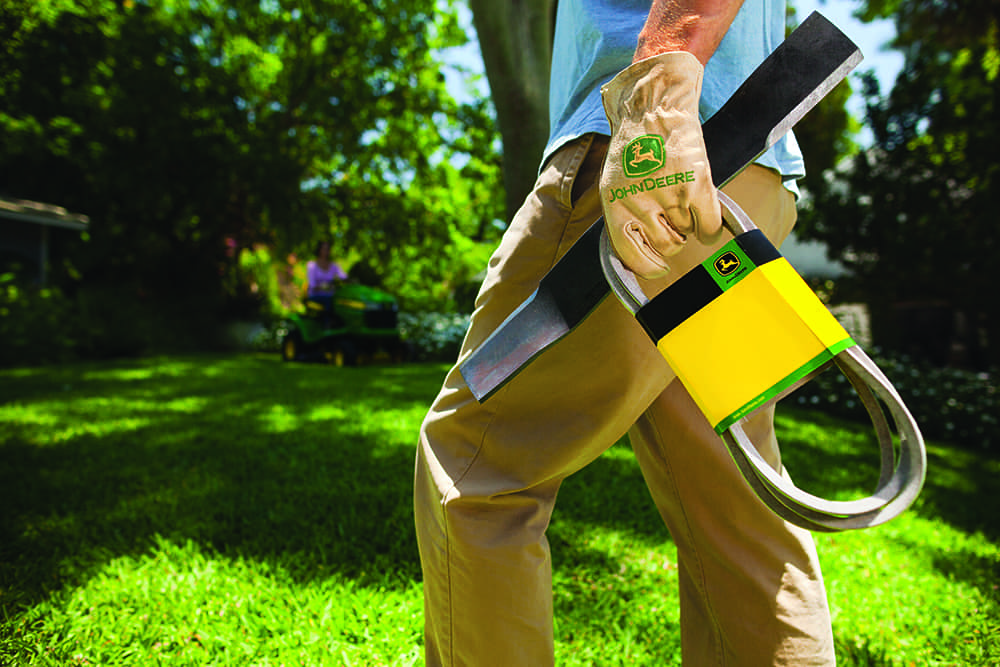
Dull blades tear grass rather than cut it, increasing the risk of lawn disease and inconsistent cutting. Before the first mow of the season, inspect your blades for nicks, bends, or signs of wear. Sharpen or replace blades now to set yourself up for a cleaner cut all season long.
While you’re under the deck, clean any accumulated debris and inspect the belt for any cracking or fraying. A worn belt is a sure sign of downtime in your near future.
Finally, check that the deck is level. Uneven decks mean uneven mowing. Refer to your owner’s manual for tips on leveling your deck in only a few minutes.

Tires, Steering, and Safety Systems
Temperature swings affect tire pressure. Take a few minutes to inspect your tires and adjust to the recommended PSI. Look for any cracks in the sidewalls or other signs of wear.
Check that your mower is quick and smoothly responsive to steering. Double-check that the brake and clutch engage properly. Inspect your seat adjustment, PTO safety features, and operating lights—fix any damaged or malfunctioning parts before firing up your mower for the season.
Moving Parts and Lubrication
Grease all moving parts—really, all of them. Spindles, axles, and any other fittings you can find. Refer to your owner’s manual if you aren’t sure which parts need grease.
If your mower’s drive belt is separate from the deck belt, inspect that now. Look for signs of wear, glazing, or excessive slack. Replace if necessary.
When to Contact an Expert
A pre-season inspection sometimes reveals issues that owners aren’t comfortable tackling on their own. If your machine has been out of service for a few seasons and you don’t know where to start, it’s probably time to call a professional. At United Ag & Turf, our network of dealers across New York, Connecticut, Vermont, Massachusetts, New Hampshire, and Maine are ready to make sure your machine is healthy for the long season of mowing ahead. Give us a call!
Frequently Asked Questions
Should I drain last season’s gas from my mower?
If you didn’t stabilize your fuel at the end of last season, you should drain it and refill with fresh fuel. Stale fuel degrades and leads to hard starts and rough running.
Do I need to sharpen my mower blades?
After a season of mowing, it’s probably time to sharpen your blades. Dull blades tear grass and increase your risk of lawn disease. Sharpening or replacing your blades at the beginning of the season is a great way to ensure cleaner cuts and a healthier lawn.
Why won’t my lawn mower start?
One of the most common reasons a mower won’t start at the beginning of the season is simply battery drainage. Extreme cold and weather fluctuations can cause voltage loss. Charge your battery fully before attempting to start it for the season.