
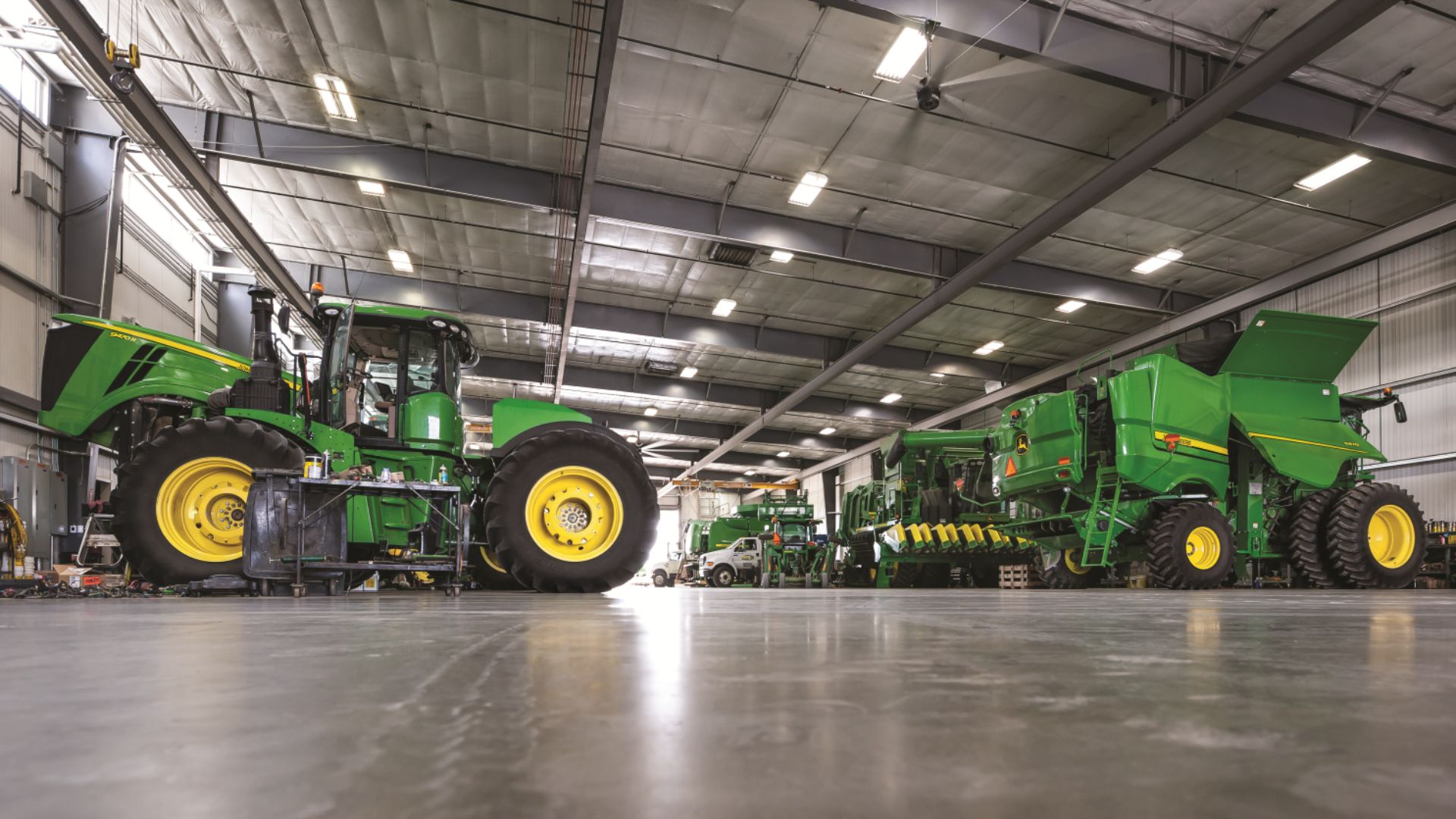
Late winter provides a window of opportunity that many landowners and farmers let slip by. The ground is still frozen, the need for snow equipment is winding down, and spring still feels far away. That window is exactly when you should be preparing for spring.
Come late March and April, your local equipment dealer starts to book up—service waits are longer, parts get backordered, and new equipment leaves the lot. If your equipment has issues you’ve been meaning to address, late winter is the perfect time to handle repairs without competing with everyone else for a spot in the service garage.
Find Your Local United Ag & Turf
Address Any Known Issues
Many equipment owners put their equipment in storage for the winter without making all repairs. Maybe your machine was idling rough, or you had a light hydraulic leak—nothing you couldn’t fix next year. Late winter is the time to capitalize on your pre-season free time and stop deferring those repairs.
Make a list of all known issues, no matter the size. Everything from oil changes to rebuilds. Every farmer knows that small issues have a way of becoming big ones fast. Addressing all issues now, before planting or mowing season starts, costs far less than a mid-season breakdown.
Hydraulic Systems
Hydraulic issues are commonly overlooked when heading into spring. Before the beginning of the season, check all hydraulic lines for brittleness, cracking, or any signs of leakage. Inspect cylinder seals for leaks. Check the responsiveness of your loader and three-point hitch. If it’s inconsistent, bring it in for an inspection before you really need it.
Check hydraulic fluid for contamination. Water buildup or debris can cause your hydraulic system to operate poorly or even fail. If the fluid is compromised, flush it and refill before spring work begins.
While you’re checking fluids, inspect coolant levels and condition. Coolant that’s been sitting all winter can degrade or accumulate contamination. If it’s discolored or past its service interval, flush and replace it before spring.
Electrical and Starting Systems
Cold weather can strain electrical systems. Now is the perfect time to inspect wiring harnesses for rodent damage, check fuses and connections, and address any wiring issues immediately.
If your battery sat through the cold season without a trickle charger, it’s likely been drained of its charge. Test its voltage, and even test the battery under load. Replace it now if it shows any signs of weakness or inability to hold a charge. A new battery is a fraction of the cost of a last-second emergency service call.
High-Wear Items
Start by greasing all fittings: spindles, axles, pivot points, and loader pins. Refer to your operator’s manual for a full list of grease points. Joints that sit dry through the winter wear faster once you start putting hours on them again.
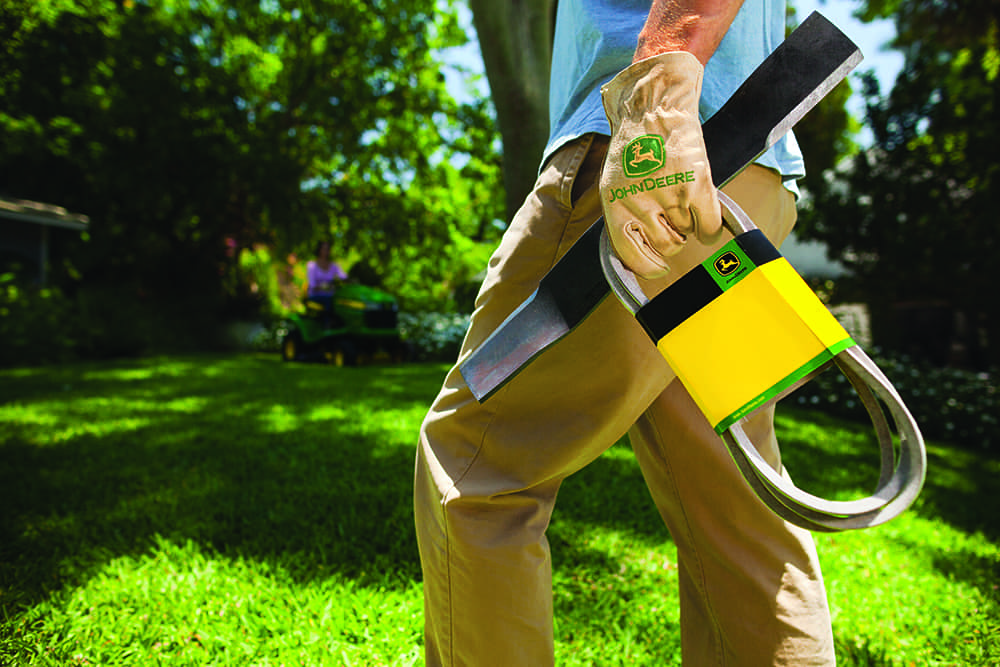
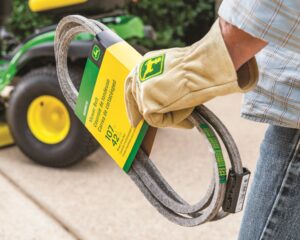
Belts and bearings don’t always show signs of failure in advance. Inspect all drive and deck belts for cracking, glazing, or excessive wear. Spin bearings by hand and listen for roughness or grinding. Replace any items that show signs of failure or even borderline wear—a belt or bearing can mean days of downtime in the middle of the season.
Address cutting edges on loader buckets, box blades, and snow pushers. Replacement edges are simple to install and make a significant difference in performance.
Don’t overlook tires. Equipment that’s been sitting on cold concrete all winter can develop low pressure or flat spots. Check PSI on all tires and inspect sidewalls for cracking before putting your machine back to work.
Schedule Service Early
Many pre-season repairs are straightforward, DIY fixes. Others, such as transmission issues, PTO problems, and fuel injection concerns, are best handled by a certified technician with the proper diagnostic tools. If you’re having trouble diagnosing your machine’s issues, contact your local United Ag & Turf for help with DIY maintenance, or schedule your appointment now!
At United Ag & Turf, our service departments span across New York, Vermont, Connecticut, Massachusetts, Maine, and New Hampshire, meaning service is never too far away. Beat the spring rush and contact your local United Ag & Turf today.
Frequently Asked Questions
What equipment repairs should I prioritize this spring?
Inspect your hydraulic system for leaks or contamination, test electrical systems and batteries for weather damage, and address any known, deferred maintenance issues from the previous season.
How do I know if my hydraulic system needs service?
Check all hydraulic lines for brittleness, cracking, or leakage. Test your loader and three-point hitch for responsiveness—inconsistency may indicate hydraulic problems. Examine hydraulic fluid for water buildup or contaminants, and flush if necessary.
When should I replace my battery?
If your battery wasn’t attached to a trickle charger through the winter, it’s important to test its voltage and load capacity now. If the battery shows signs of weakness or an inability to hold a charge, now is the time to replace it.