
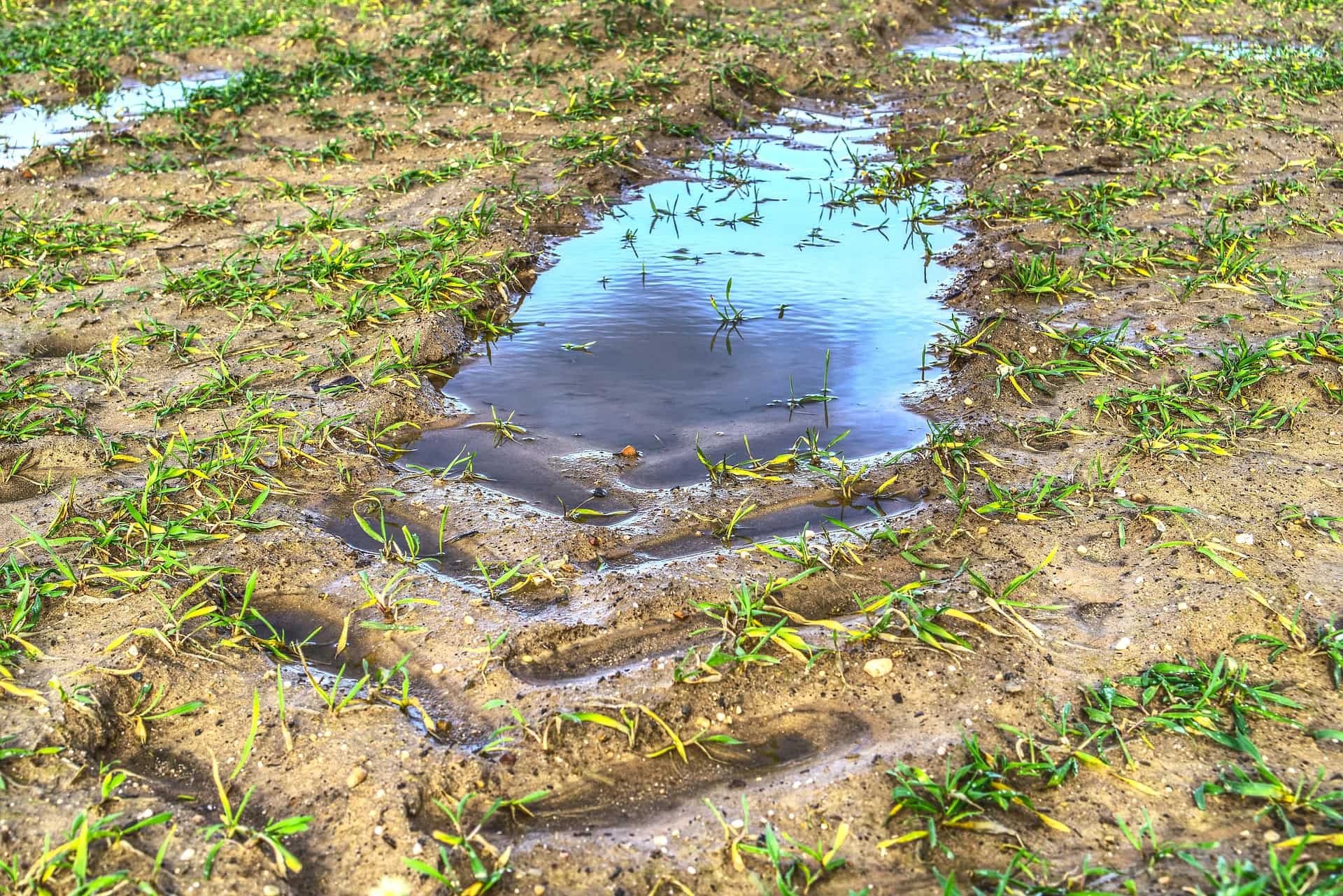
Mud season makes up the long transition from winter to spring in the Northeast. As the snow melts and the ground thaws, your soil will become saturated and unable to support the weight of large equipment. It’s also the season that you need to be out checking fences, fertilizing, and prepping your equipment. That’s why knowing which equipment types to operate during mud season can be make-or-break in avoiding surface damage and ruts.
Find Your Local United Ag & Turf
Why You Should Avoid Making Ruts
Throughout the winter, when the soil is frozen solid, the ground can support significant weight. When it’s fully thawed by spring, compaction is possible. But during the transition, you’re working on a thin, unstable layer of soil that can be easily compressed and displaced under load.
Tractor ruts are more than just a cosmetic issue. Deep soil compaction can restrict root growth, limit water infiltration, and create drainage issues. Pastures and properties with severe rut damage develop much more slowly in spring and are especially vulnerable to weed growth.
Stay Off Saturated Soil When Possible
It sounds obvious, but it can be hard to remember: the best mud season strategy is to simply wait until the soil dries more thoroughly. Generations of farmers stick to the simple rule of thumb: if your boots are sinking in the mud, your tractor tires will too. Sinking more than an inch is a good indicator that your soil is too wet to work on.
Waiting isn’t always an option. If possible, limit your traffic to established pathways as much as possible to concentrate wear in specific areas. This helps to make lawn remediation more manageable.
Matching Equipment to Ground Conditions
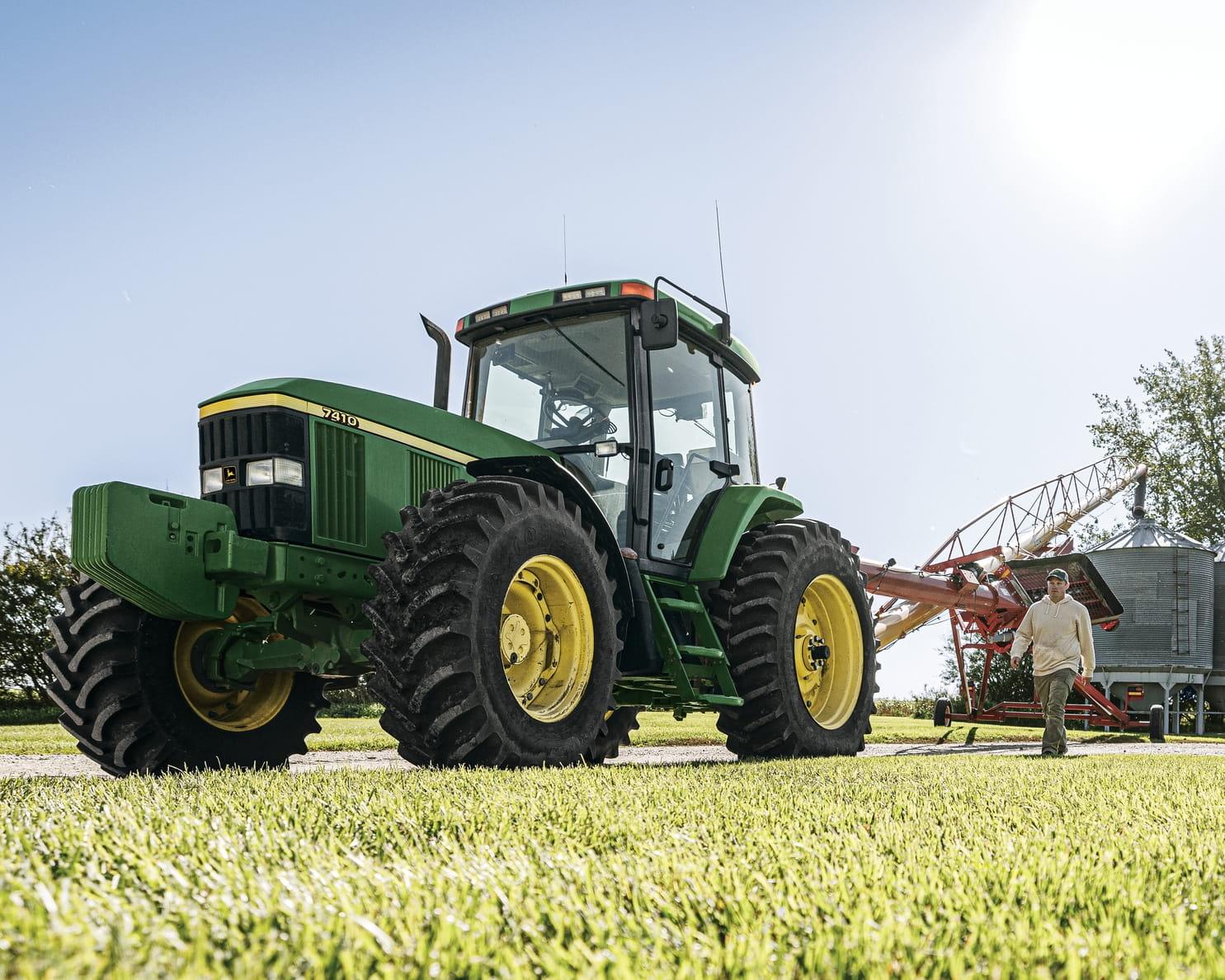
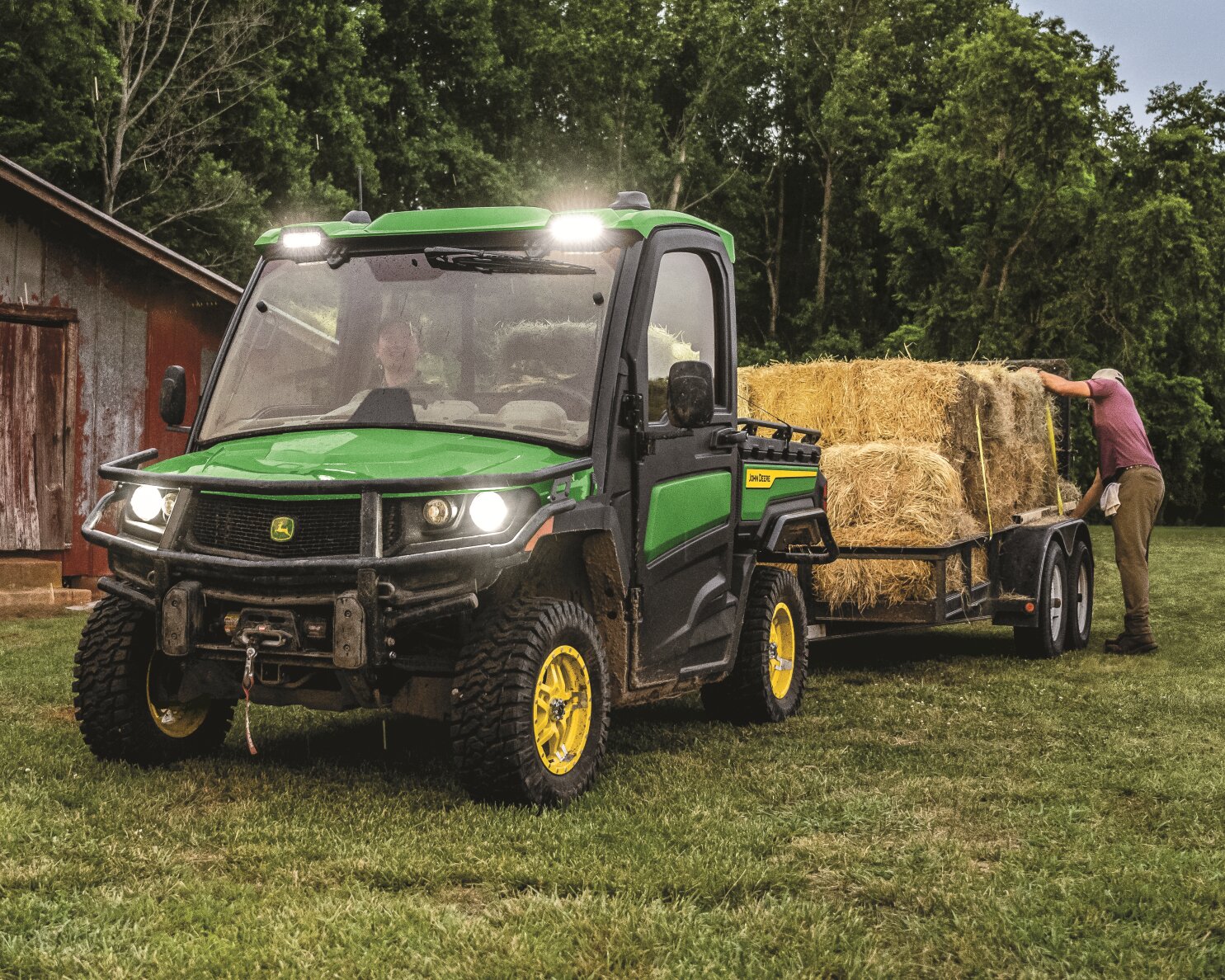
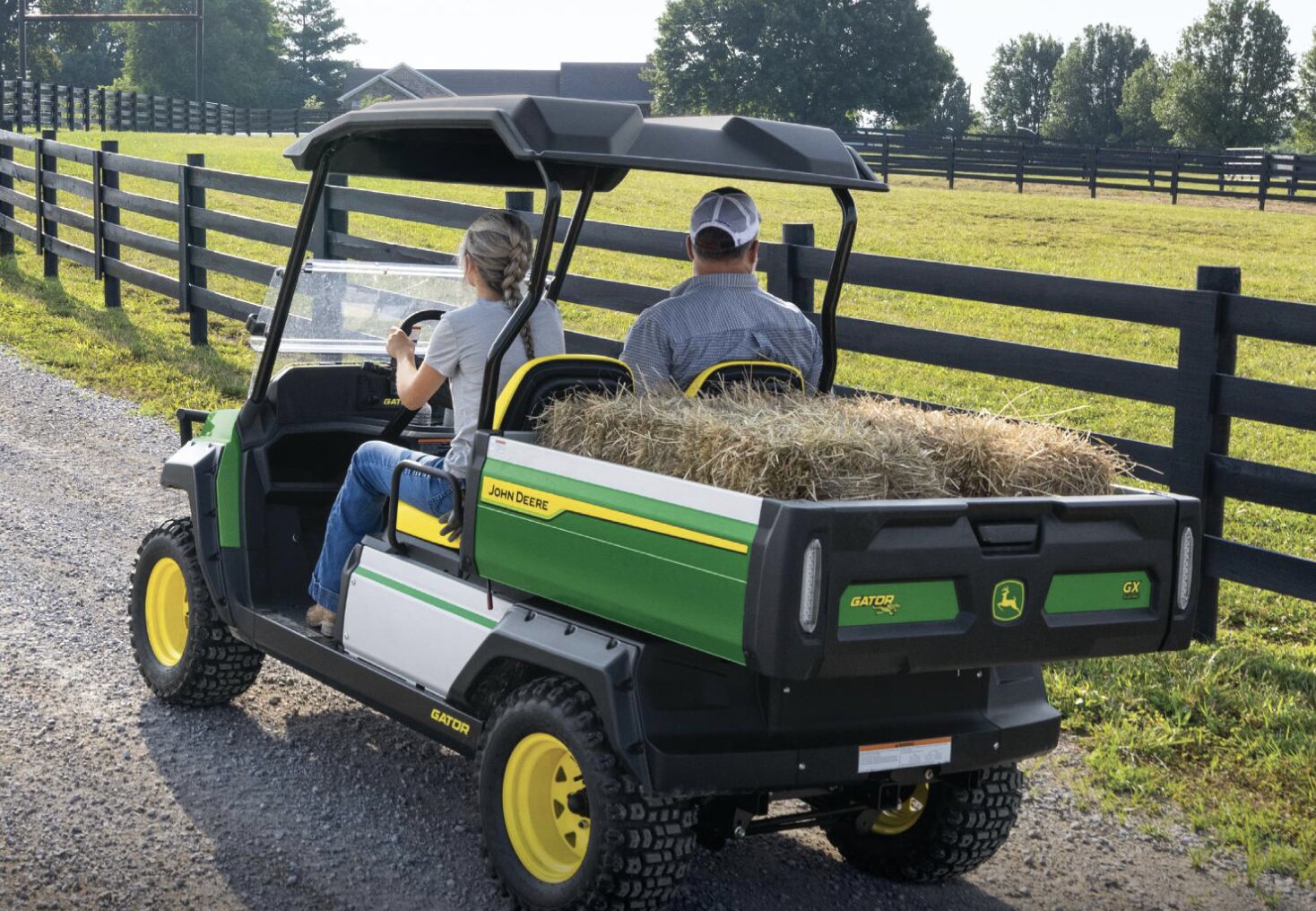
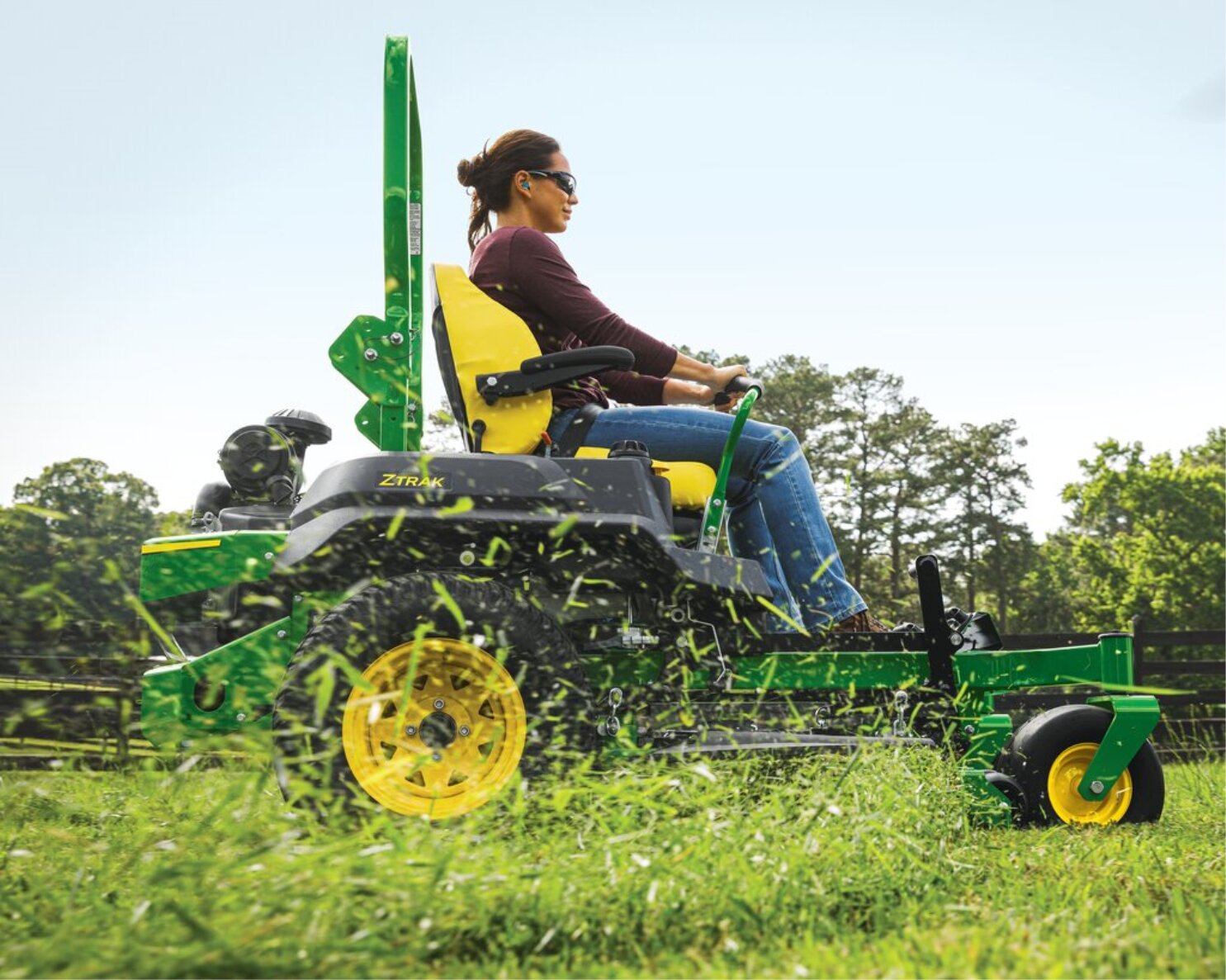
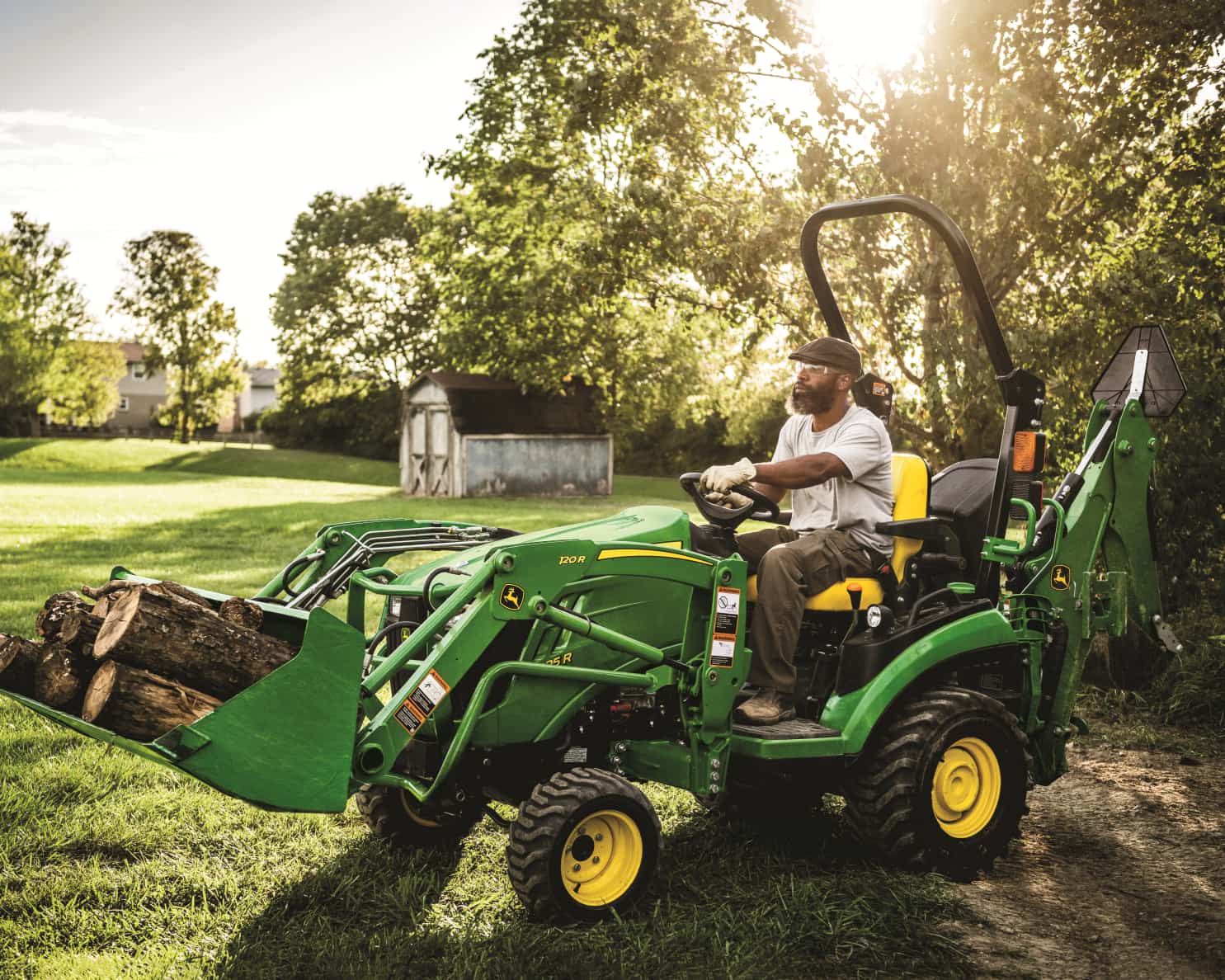
Lighter equipment does less damage on soft ground. If your chores can be carried out with a compact tractor or smaller-footprint machine like a Gator, that’s usually the best option. Larger pieces of equipment and heavier implements should stay in storage until the ground conditions are more stable. Equipment weight isn’t the only factor, though—tire selection makes a big difference. Wider tires distribute your weight to reduce ground pressure.
Browse Compact Utility Tractors
Address Ruts Efficiently
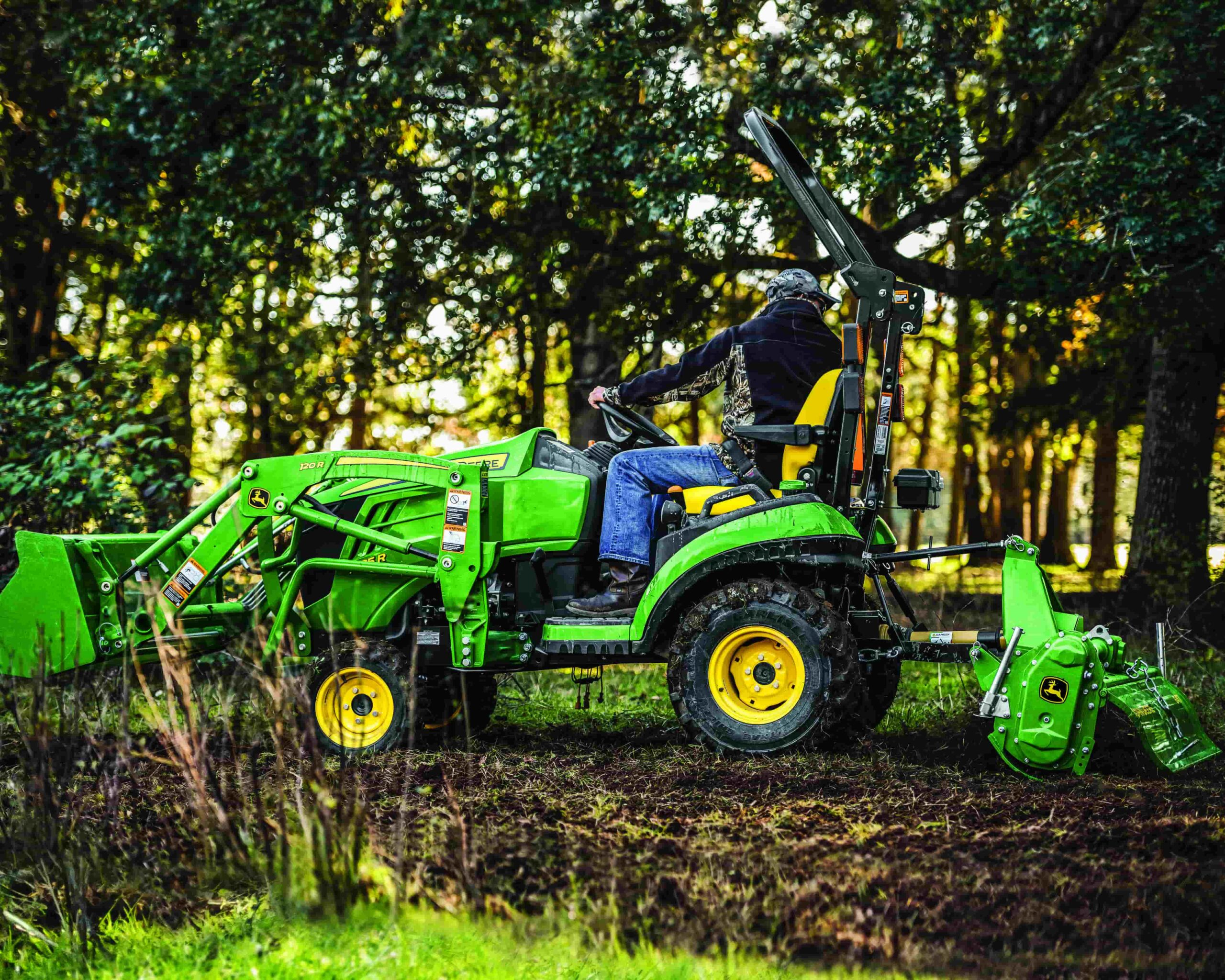
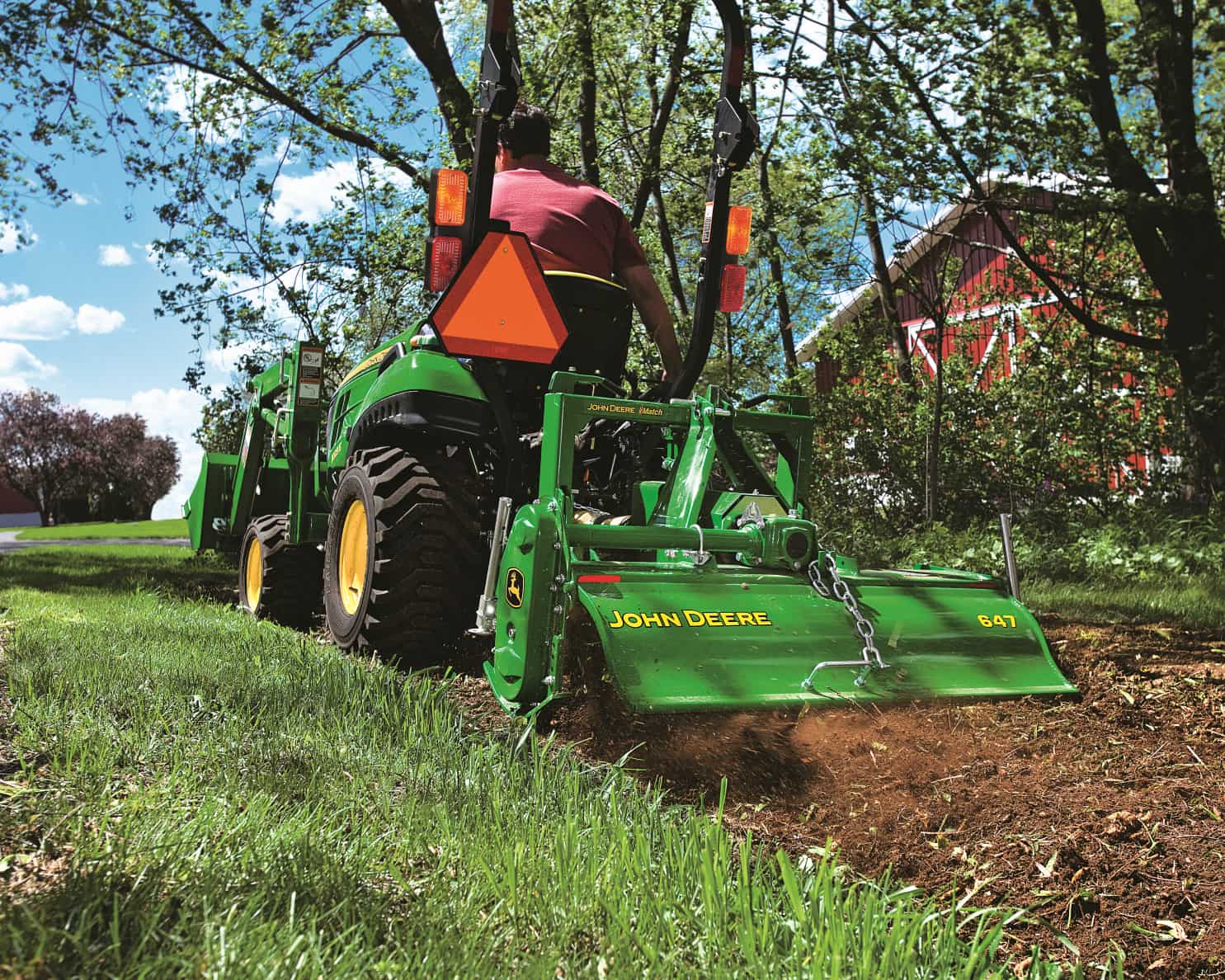
If you’re working through the mud season, rut damage is inevitable. Shallow ruts (up to two inches) often repair themselves over a season of healthy growth, especially when overseeded and topdressed. Deeper ruts in pastures or lawn areas need to be addressed promptly: till to break up compaction, fill with material to level the surface, and reseed.
If ground conditions are saturated enough that you’re creating ruts, it’s too wet to repair those ruts efficiently. Allow the soil to dry to a workable level of moisture, and then work quickly to repair before spring planting begins.
Reach Out to United Ag & Turf
Whether you have questions about your equipment size, the proper tires and attachments, or simply need to discuss what to expect this spring, United Ag & Turf’s team across New York, Vermont, Connecticut, Massachusetts, New Hampshire, and Maine is ready to help. Our experts are familiar with the demands and challenges of a Northeast mud season, and know what it takes to get you through the season and ready for a productive summer.