
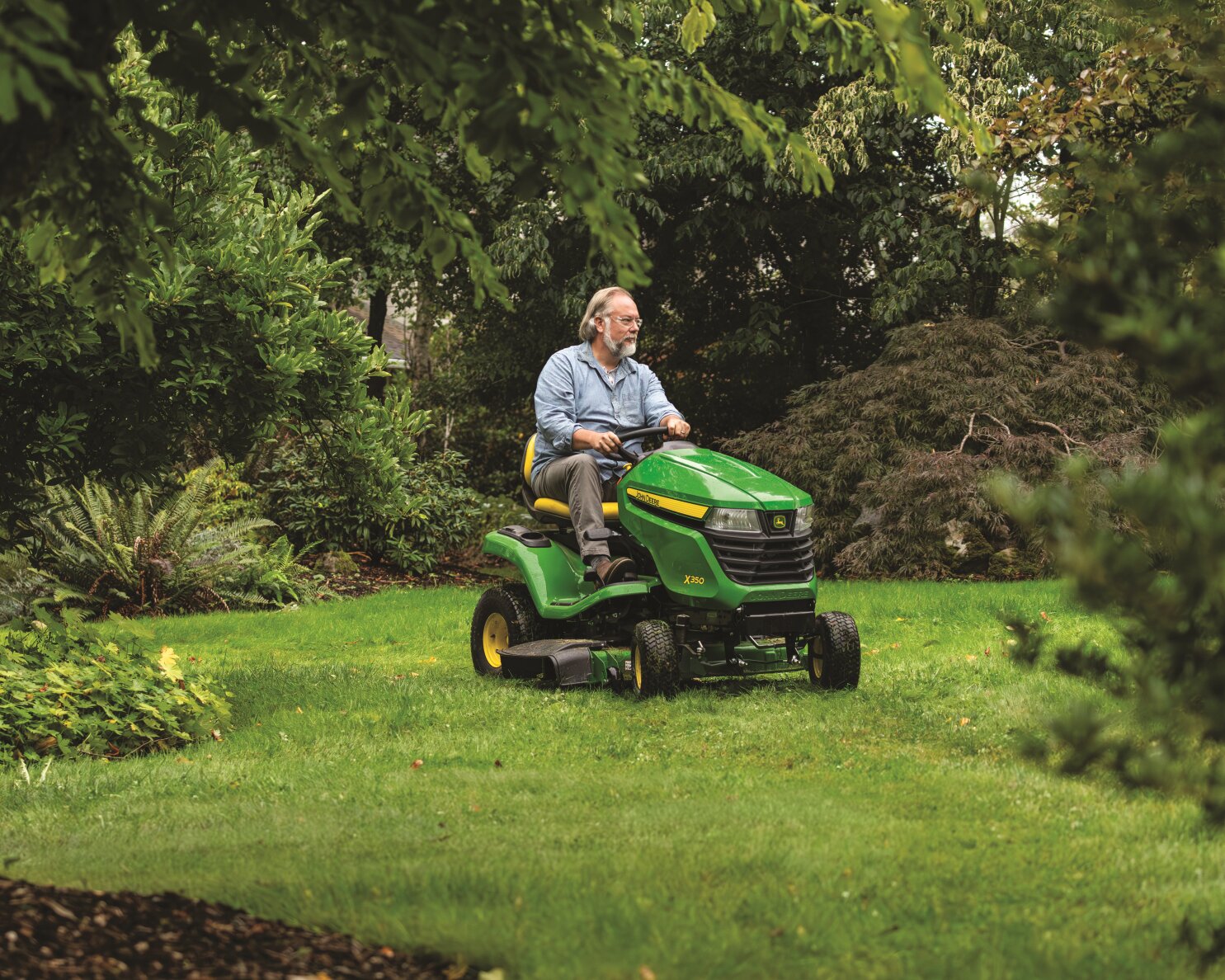
We know how tempting it can be to mow the lawn as soon as it starts greening up. After months of snow and mud, a freshly cut lawn is a great way to kick off spring! But the first mow of the season can set back growth progress if you take the wrong approach. Your lawn in April is vastly different than it was last November. Read on to learn how patience and a simple strategy make all the difference between a healthy lawn and one struggling with bald spots.
Find Your Nearest United Ag & Turf
Why Is the First Mow So Important?
Your grass has been dormant all winter long. Root systems are recovering, moisture levels are still stabilizing, and all of its energy is dedicated to early-season growth. Cutting too low this early in the season can slow or halt all growth progress and increase the potential for disease and weed pressure.
The first mow sets the stage for a season of growth—or a season of catching up.
Check Your Blade Height Before You Cut
Before the first cut, take a minute to double-check your lawn mower height settings. The height of your last fall cut is likely different from your optimal mow today.
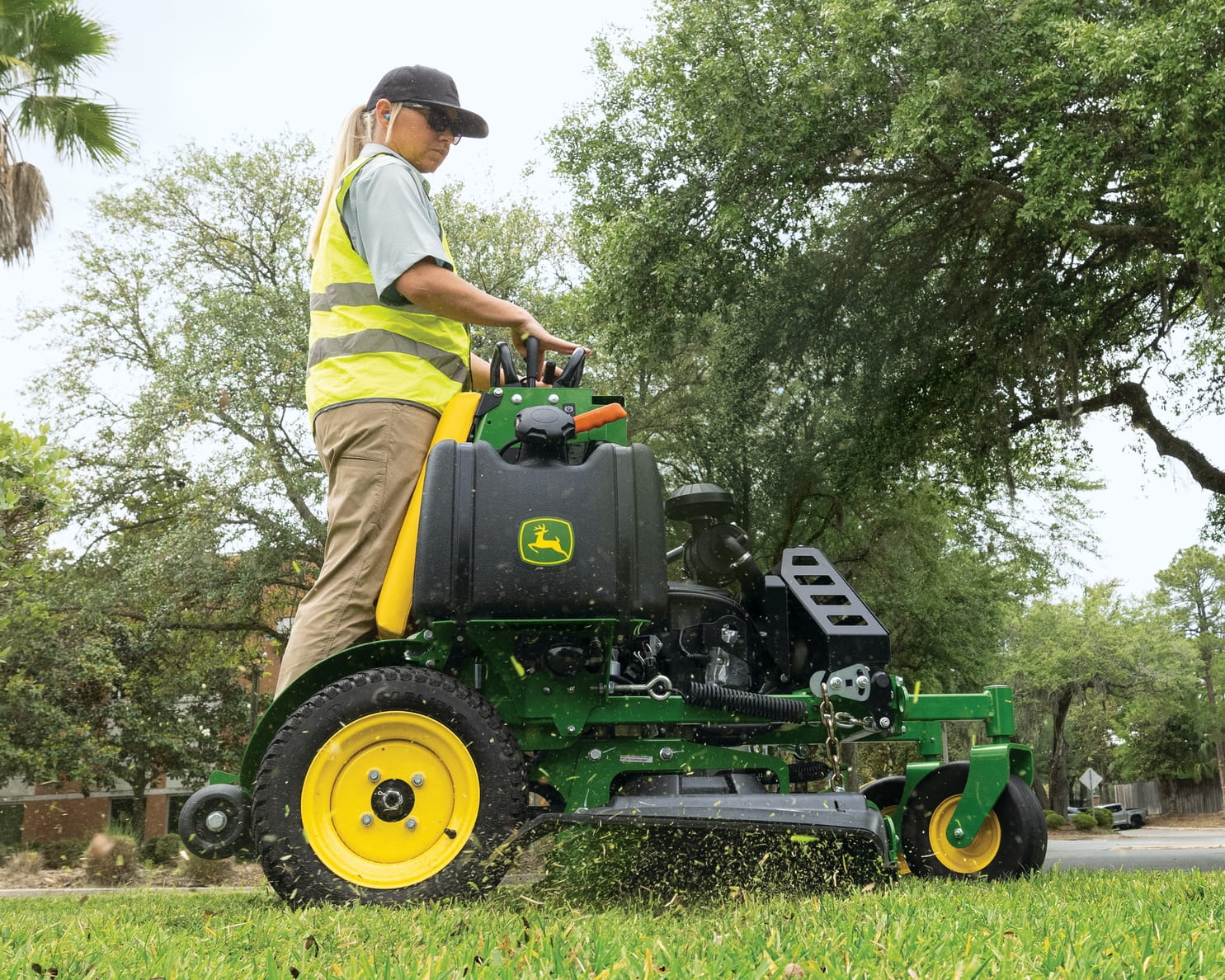
Walk-Behind Mowers
Most walk-behind mowers have a height adjustment lever on each wheel. Check that all levers are set to the same position before you begin mowing. Uneven settings can create a poor cut quality that isn’t always easy to diagnose.
Riding Lawn Mowers
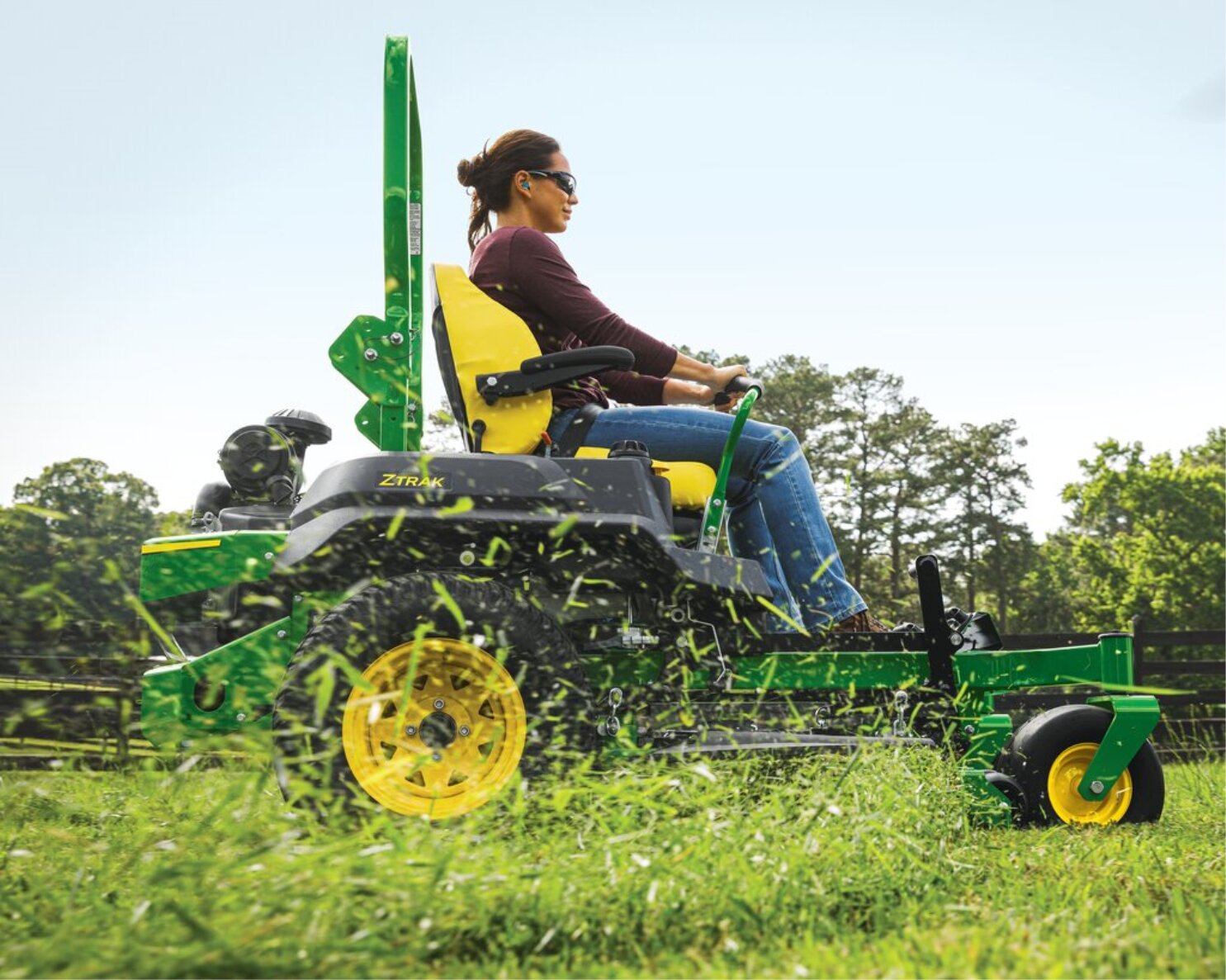
On riding lawn mowers, the deck height is typically controlled by a lever or dial that lifts the whole mower deck. Check your actual mowing height by parking on a flat surface and measuring from the ground to the blade tip.
Browse Lawn and Garden Equipment
How High Should Your First Cut Be?
A great rule of thumb to remember when mowing is to never remove more than one-third of the blade height in a single cut. In spring, when your grass is just coming out of dormancy, this rule is as important as ever. Cool-season grasses common to the Northeast do best when kept between 3 -4 inches during the spring.
If your lawn begins the season taller than you expected, don’t try to reach your target height in one pass. Make the first cut at a higher setting, and gradually move toward your desired height over several mowings.
Wait for the Ground to Dry Out
Mowing on wet ground leaves your lawn vulnerable to soil and grass damage. Wet soil compacts under the weight of your equipment—especially on slopes and in low spots. Wet grass clippings clump and mat on the surface, potentially blocking light and causing lawn disease.
Allow at least a couple of days of dry weather to pass before your first cut of the season. If you’re leaving visible ruts or the soil is soft underfoot, it’s too early to mow. A day or two of patience now can save you several hours of repair later.
Sharpen Your Blades
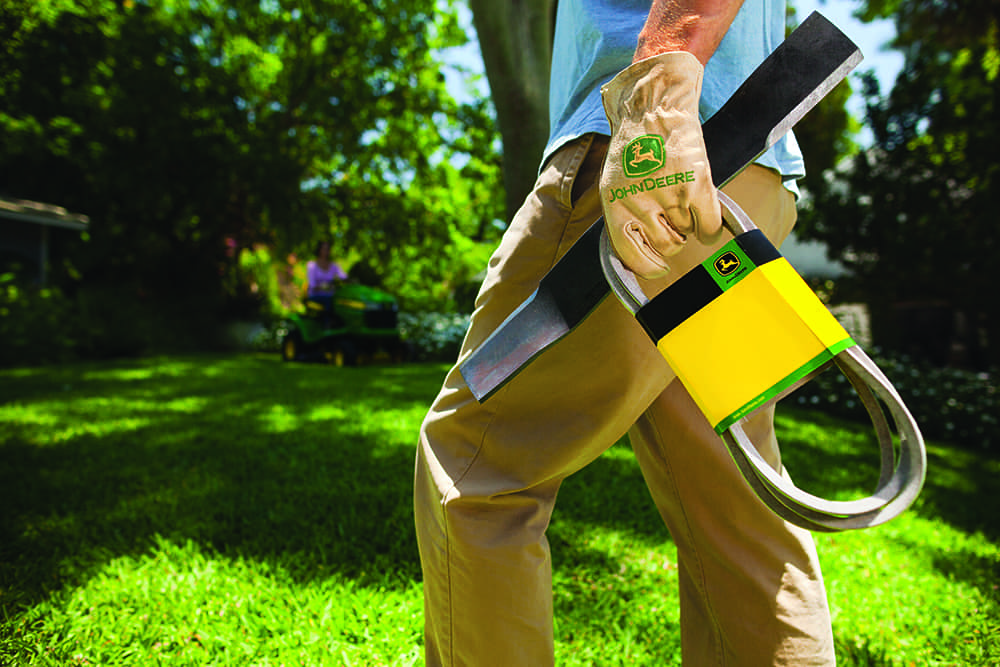
A dull blade tears your grass rather than cutting it. This leaves rough tips that brown quickly and create a risk for lawn disease. Now—before the season is in full swing—is the time to sharpen or replace your mower blade.
If your mower wasn’t serviced at the end of last season, the beginning of spring is the next best time to take care of any maintenance issues. United Ag & Turf’s service departments are ready to sharpen blades, check all belts and deck components, and make sure that your machine is ready for the first pass of the season.
Want to DIY? Check out our blog to learn more about John Deere’s Home Maintenance Kits.