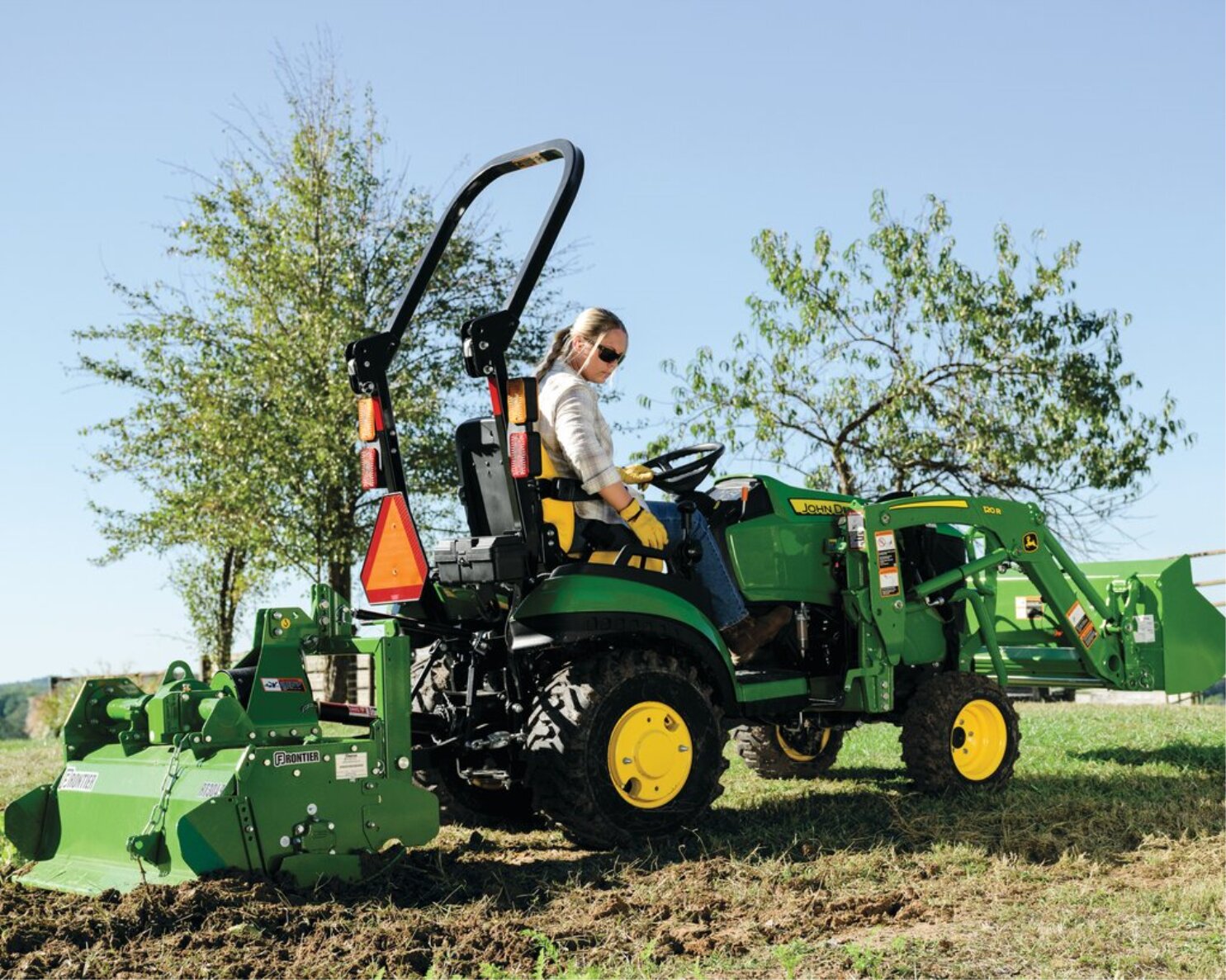
For most properties, horsepower follows acreage. Plan on 21 to 25 hp for 1 to 5 acres, 25 to 40 hp for 5 to 15 acres, and 40 to 65 hp for 15 to 40 acres. But the jobs matter more than the acres, and a 3-acre property with a 6-foot rotary cutter needs more tractor than a 10-acre lawn.
Size the tractor to its hardest regular job, then check that it fits your acreage. Doing it the other way around is how people end up underpowered.
Find Your Local United Ag & Turf
What Horsepower Do John Deere Compact Tractors Offer?
| Series | Engine Horsepower | Max Loader Lift Capacity |
| 1 Series | 21.5-23.9 HP | 754 lb |
| 2 Series | 24.2-36.7 HP | 1,120 lb |
| 3 Series | 24.7-45.3 HP | 1,122 lb |
| 4 Series | 43.1-65.9 HP | 2,222 lb |
What Size Tractor Do I Need for My Acreage?
| Property Size | Typical Series | Recommended Horsepower |
| Under 1 Acre | 1 Series | 21-24 HP |
| 1-5 Acres | 1 or 2 Series | 21-30 HP |
| 5-15 Acres | 2 or 3 Series | 25-40 HP |
| 15-40 Acres | 3 or 4 Series | 40-55 HP |
| 40+ Acres | 4 Series and up | 55+ HP |
Treat this as a starting point, not a hard and fast rule. Some features will require you to step up in tractor size regardless of your property size: steep terrain, heavy material hauling, and large implements. But certain property features might let you get away with sizing down: flat ground and light-duty work.
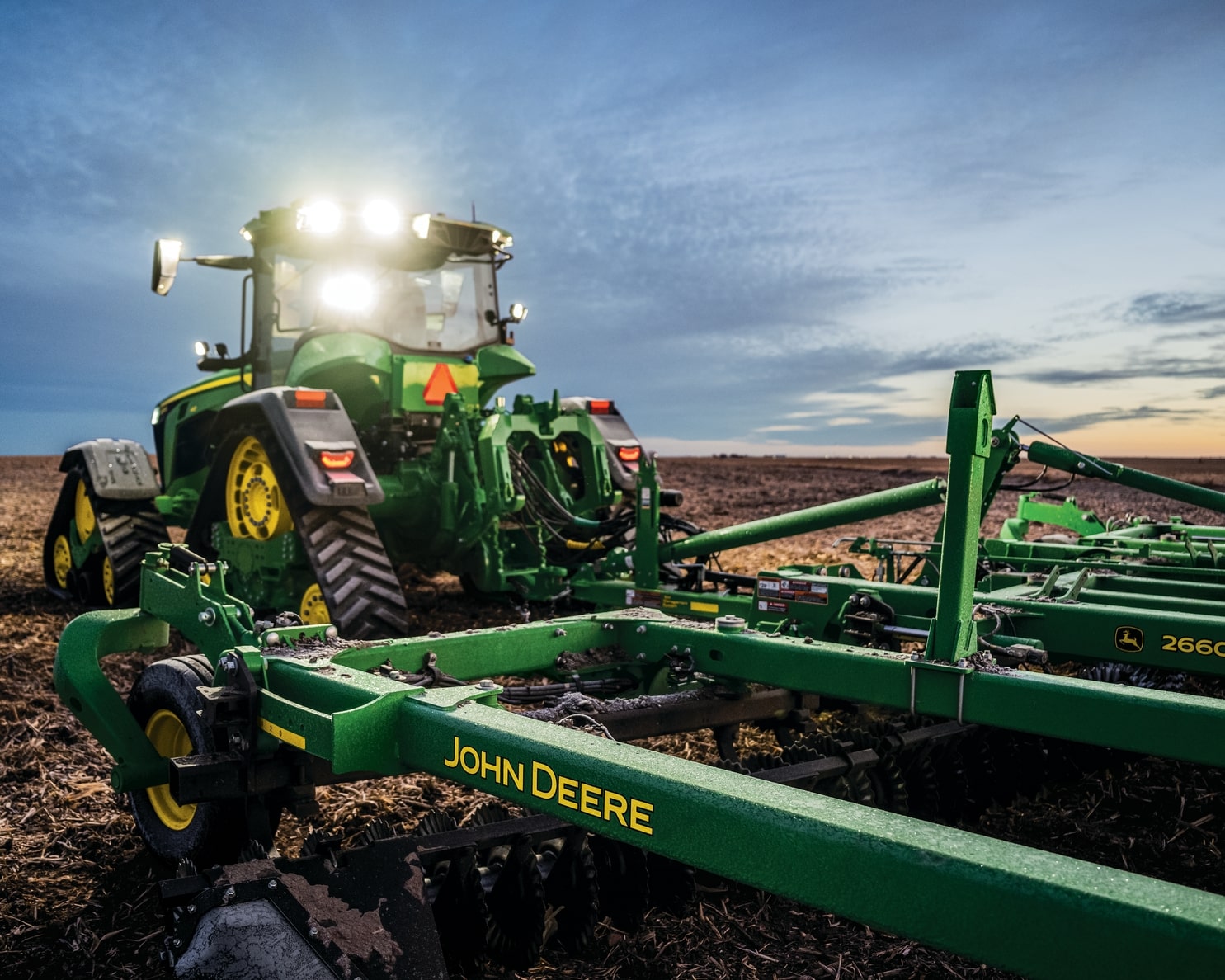
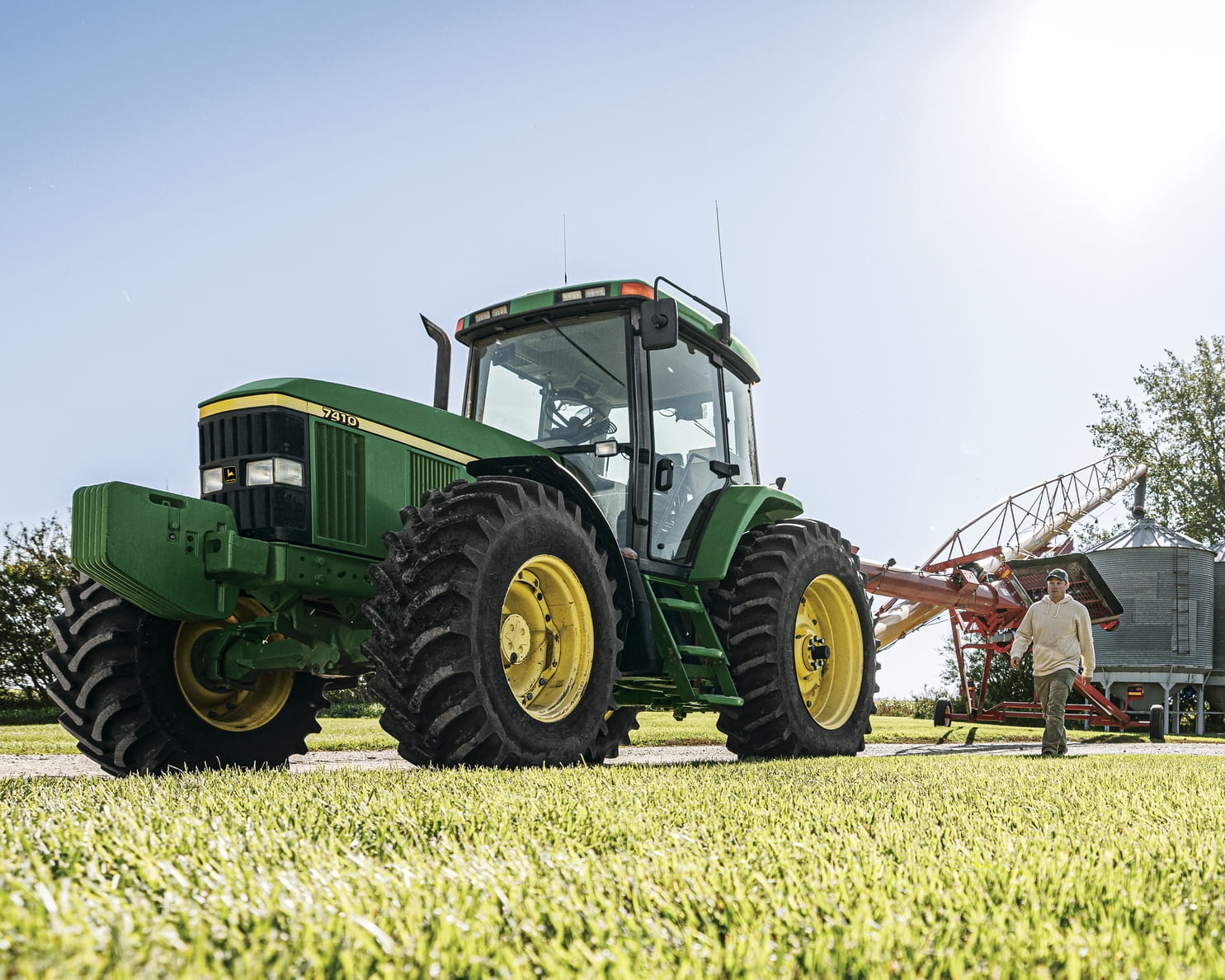
For larger operations, our utility tractor lineup covers horsepower and implement needs that a compact tractor can’t handle.
Which Jobs Should Decide Tractor Size?
The implement you run most often sets the floor on horsepower. Wider implements need more power, and ground-engaging implements need more than you expect.
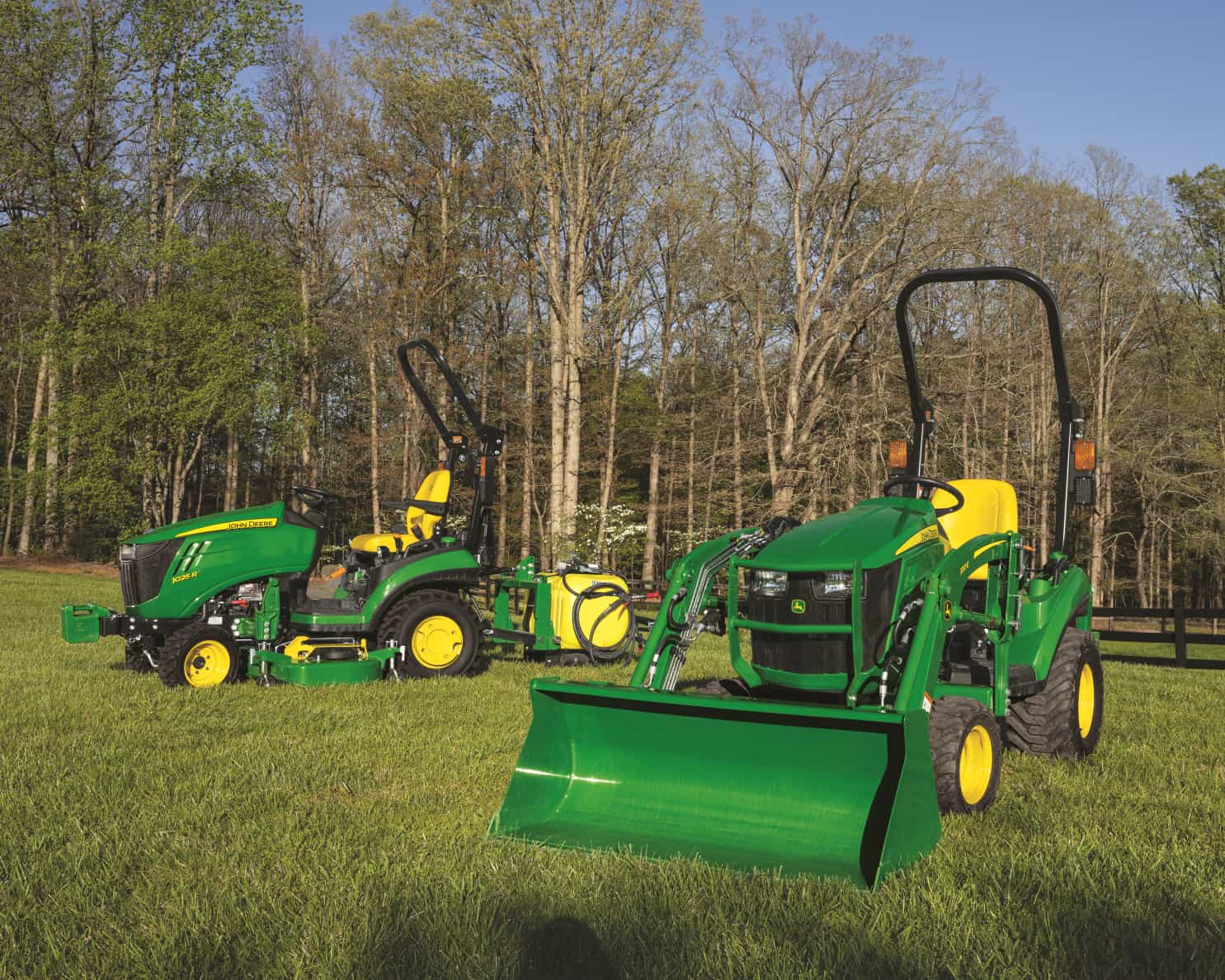
- Mowing with a mid-mount deck: the lightest demand; the 1 Series handles it
- Rotary cutter: scales with width; a 5-foot cutter is a different job than a 7-foot cutter
- Box blade or rear blade: needs weight and traction more than horsepower
- Tiller or post hole digger: power-hungry for their size
- Round bale handling: set by loader capacity, not engine output
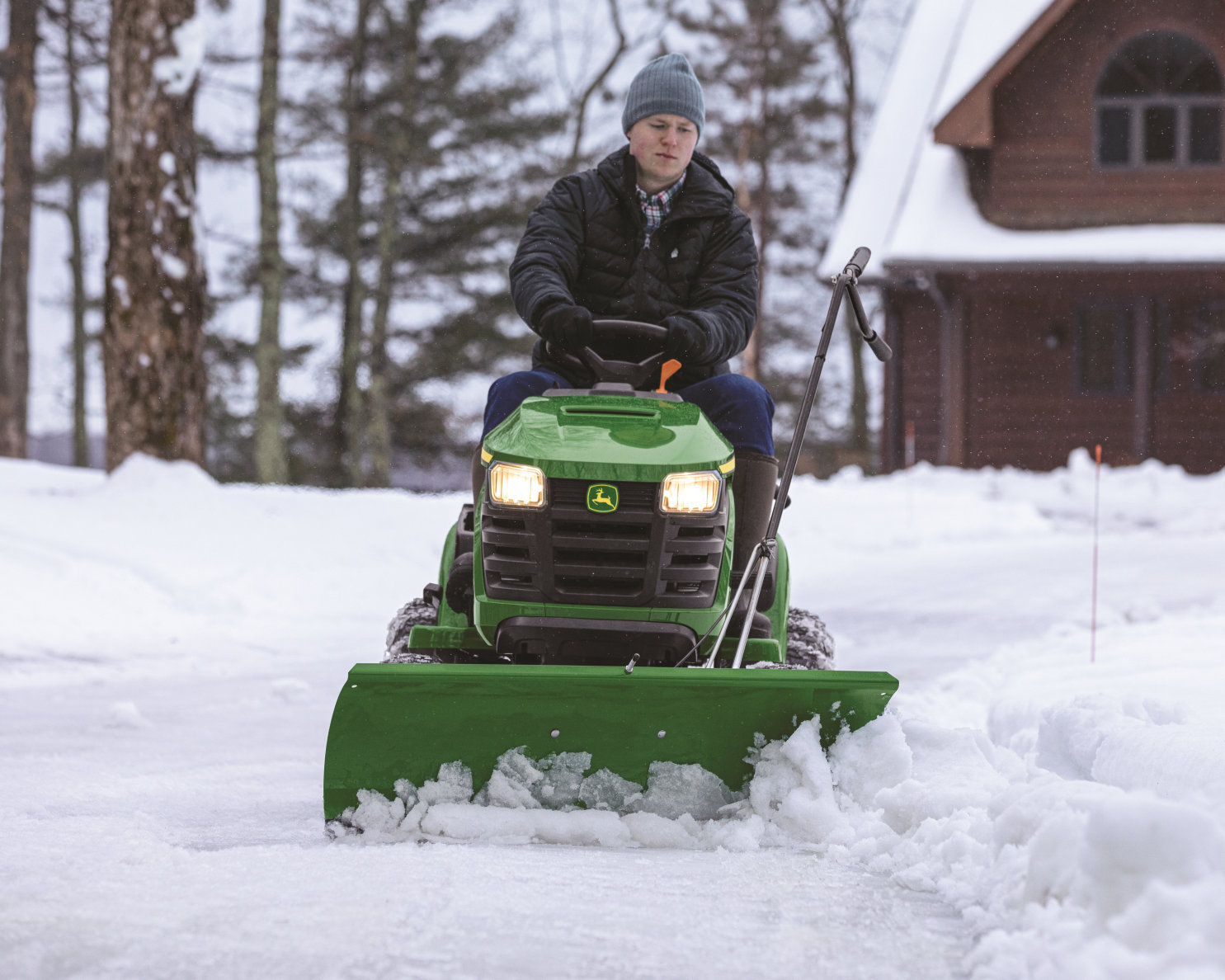
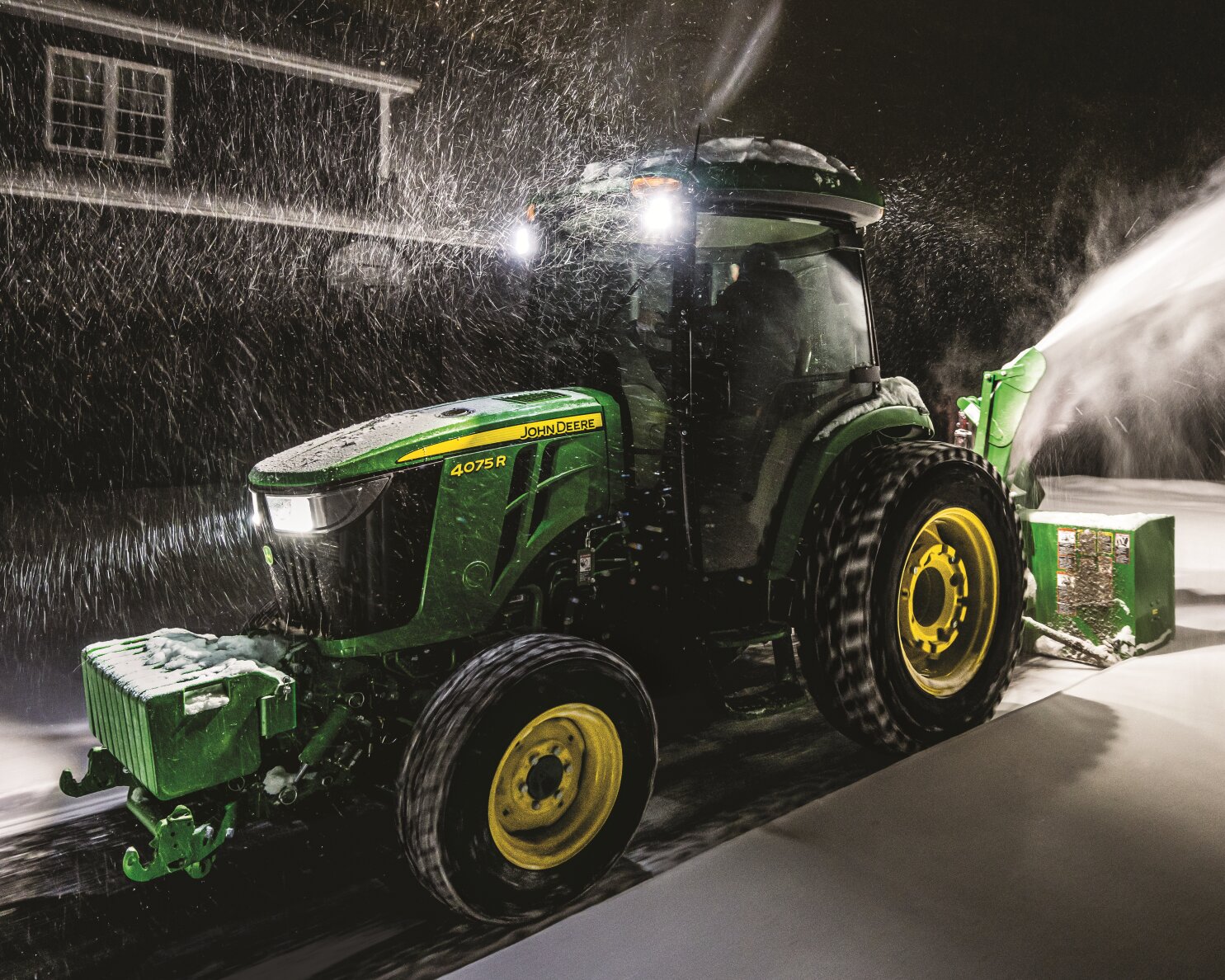
- Snow blower or front blade: needs weight, traction and ideally four-wheel drive
Material handling is often underestimated. If you are lifting round bales or loaded pallets, loader lift capacity is the real spec to consider. The 1 Series tops out at 754 lbs. The 4 Series reaches 2,222 lbs. That’s the difference between moving mulch and moving hay.
Engine Horsepower vs. PTO Horsepower: What’s the Difference?
Engine horsepower is what the engine produces. PTO horsepower is what actually reaches the implement after the drivetrain takes its share. PTO horsepower is always lower, and it is the number that matters for any implement driven off the PTO.
This is the most common sizing mistake we see. Someone buys a tractor rated at 38 engine horsepower, hooks up an implement that calls for 35 PTO horsepower, and the tractor struggles. Check the implement’s PTO requirement against the tractor’s PTO rating, not its engine rating. We can pull both figures for any model you are considering.
Check Out Our Blog: PTO Explained
Should You Size Up for the Future?
Size up if you are likely to add acreage, buy wider implements, or start handling hay within a few years. Do not size up on the theory that bigger is safer. An oversized tractor is harder to maneuver in tight spots, heavier on turf, and more expensive to own.
The better hedge is buying the right frame size with room on the hydraulics and the loader. Those are much harder to work around later than a few horsepower.
Frequently Asked Questions
What size tractor do I need for 5 acres?
A 1 or 2 Series, roughly 21 to 30 hp, covers 5 acres of mowing and light chores. Step up to the 2 Series if you are running a rotary cutter, moving material, or dealing with slopes.
What size tractor do I need for 10 acres?
A 2 or 3 Series in the 25 to 40 hp range. If you are handling hay or running ground-engaging implements regularly, lean toward the 3 Series.
Is a compact utility tractor big enough for a small farm?
For many small farms, yes. The 3 and 4 Series handle rotary cutting, loader work, tillage, and light hay. Operations that bale and move hay at volume typically need utility tractor horsepower.