

When planning a property project, people often ask: do I need a skid steer or a mini excavator? While both machines are capable, they excel at different tasks. At United Ag & Turf, we work with property owners, contractors, and landscapers throughout the Northeast who face this decision regularly. Here’s how to choose the right tool for your specific project needs.
Find Your Nearest United Ag & Turf
Understanding the Basics
Skid Steers are wheeled machines with lift arms that accept dozens of different attachments. Think of them as the Swiss Army knife of compact equipment—incredibly versatile for material handling, grading, loading, and light excavation.
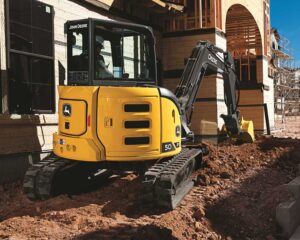
Mini Excavators are tracked machines with a hydraulic boom and bucket that rotates 360 degrees. They’re purpose-built for precision digging, trenching, and excavation work. When you need to move earth with accuracy and depth, mini excavators are unmatched.
When to Choose a Skid Steer
Best for: Material handling, grading, loading, site preparation, and projects requiring multiple attachment changes
Skid steers shine when versatility matters more than digging depth. If your project involves moving materials around, leveling ground, or switching between different tasks throughout the day, a skid steer is your answer.
Site Preparation and Grading: Skid steers excel at clearing debris, spreading topsoil, and rough grading. They move large quantities of material quickly and level ground efficiently.
Material Handling: Loading mulch, gravel, soil, or debris into trucks is where skid steers dominate. For Northeast property owners dealing with seasonal material needs—from spring mulch delivery to fall cleanup—skid steers handle the workload efficiently.
Snow Removal: Skid steers equipped with snow pushers or blades are incredibly effective for clearing driveways and parking lots during our long winter months. Their speed and maneuverability make quick work of snow clearing.
Light Excavation: While not their primary purpose, skid steers can handle shallow trenching and light digging. For utility lines up to a few feet deep or drainage swales, they’ll get the job done.
Key Advantages: Over 100 attachment options, wheeled design covers ground quickly, zero-turn radius for tight spaces, quick attachment changes, and generally lower initial cost than mini excavators.
When to Choose a Mini Excavator
Best for: Precision digging, trenching, deep excavation, and projects where accuracy matters
When your project requires moving earth with precision, depth, and control, mini excavators are the superior choice.
Trenching for Utilities: Installing water lines, electrical conduit, septic systems, or drainage pipes requires deep, narrow, precise trenches. Mini excavators can dig 6-12+ feet deep depending on model—far beyond what skid steers achieve—with the accuracy needed to avoid damaging existing utilities.
Foundation Work: Excavating for building foundations, footings, or basement work requires the depth and precision that only excavators provide. The 360-degree rotation allows working around the entire foundation without repositioning.
Drainage Installation: For Northeast properties dealing with water management challenges—especially important given our heavy spring runoff and autumn rains—mini excavators create precise drainage systems and French drains with the exact grades needed for proper water flow.
Stump Removal: The hydraulic power and digging depth make removing stumps and deep roots much more efficient. Combined with a thumb attachment, they extract stumps that would take hours to remove manually.
Major Landscaping: Creating water features, retention ponds, or significantly reshaping terrain requires the earth-moving capability mini excavators deliver with surgical precision.
Key Advantages: Precision digging with hydraulic controls, dig 6-12+ feet deep, 360-degree rotation, tracks provide better traction on uneven or muddy Northeast terrain, and extended reach for working at distance.
Decision Framework: Which Machine for Your Project?
Choose a skid steer if your project primarily involves:
- Moving and loading materials
- Grading and leveling surfaces
- Multiple tasks requiring attachment changes
- Seasonal work like snow removal
Choose a mini excavator if your project primarily involves:
- Digging trenches deeper than 3-4 feet
- Foundation or basement excavation
- Precision work around existing utilities
- Stump removal or major earth reshaping
Consider renting both if: You have a large project with both significant excavation needs and material handling requirements.
John Deere Compact Construction Equipment
At United Ag & Turf, we carry John Deere’s full lineup of compact construction equipment. John Deere’s compact excavators range from the 17G (perfect for tight residential work) to the 60G (ideal for commercial projects), offering digging depths from 7 to 12+ feet. Skid steers provide operating capacities from 1,650 to 3,300 pounds with 66 to 100 HP.
Rent or Buy?
Renting makes sense for one-time projects or seasonal needs. Buying becomes cost-effective if you have regular projects, manage multiple properties, or run a contracting business. We can help you evaluate whether purchasing makes sense and connect you with financing options.
Making Your Decision
The skid steer versus mini excavator decision comes down to your primary task. If you’re moving materials, grading, and need versatility, choose the skid steer. If you’re digging, trenching, and need precision, choose the mini excavator.