
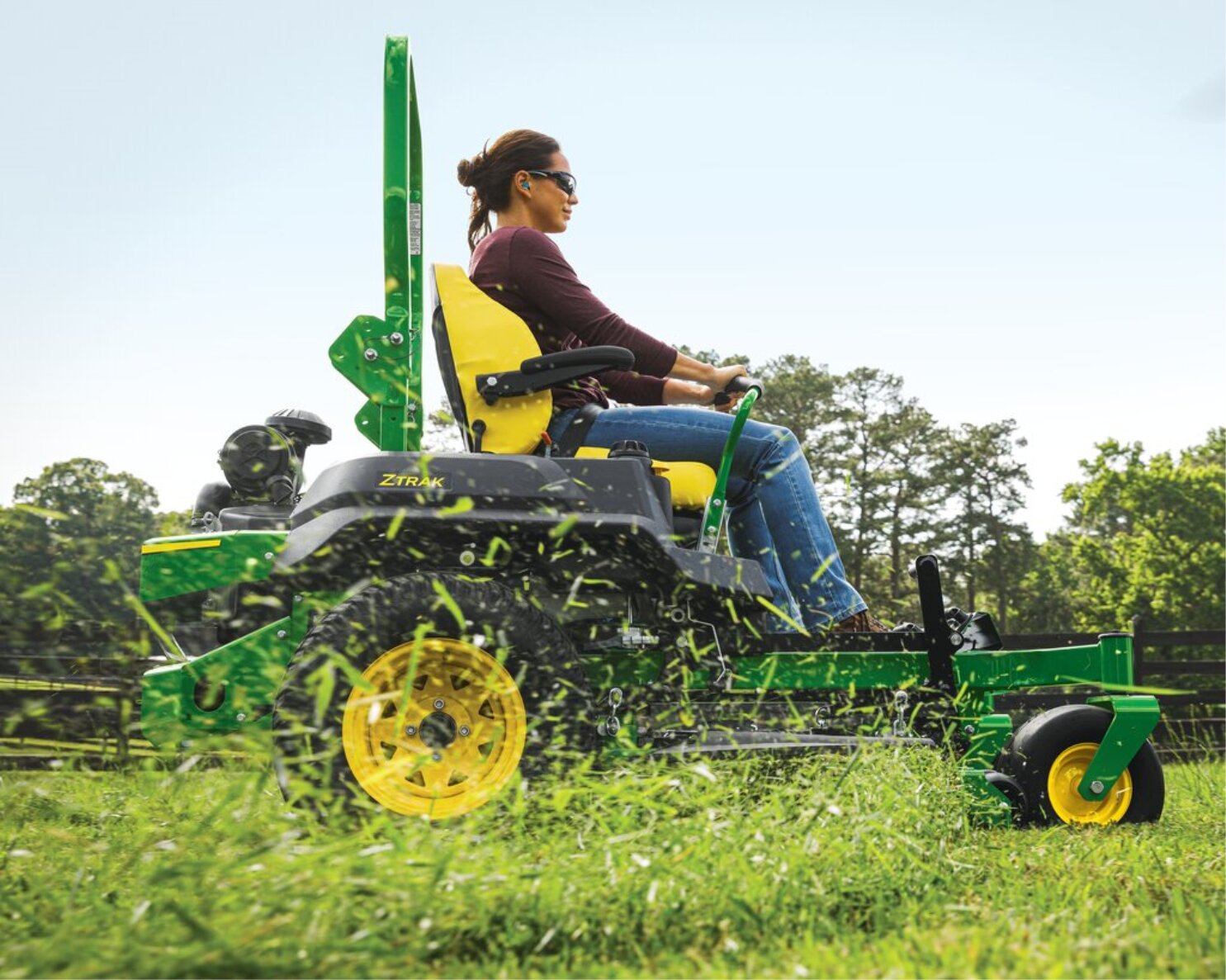
Most mower operators pick a cutting configuration and stick with it all season long. That approach works fine for simple conditions… but Northeast grass is rarely simple. Growth rates, moisture levels, grass height, and turf density shift significantly from late spring through midsummer, and the mowing setup that delivers a clean cut in one set of conditions can leave a mess in another.
Understanding when to mulch, bag, or side discharge, and why, takes most of the guesswork out of summer lawn and turf management in the Northeast.
Find Your Nearest United Ag & Turf
What Each Configuration Actually Does
Mulching
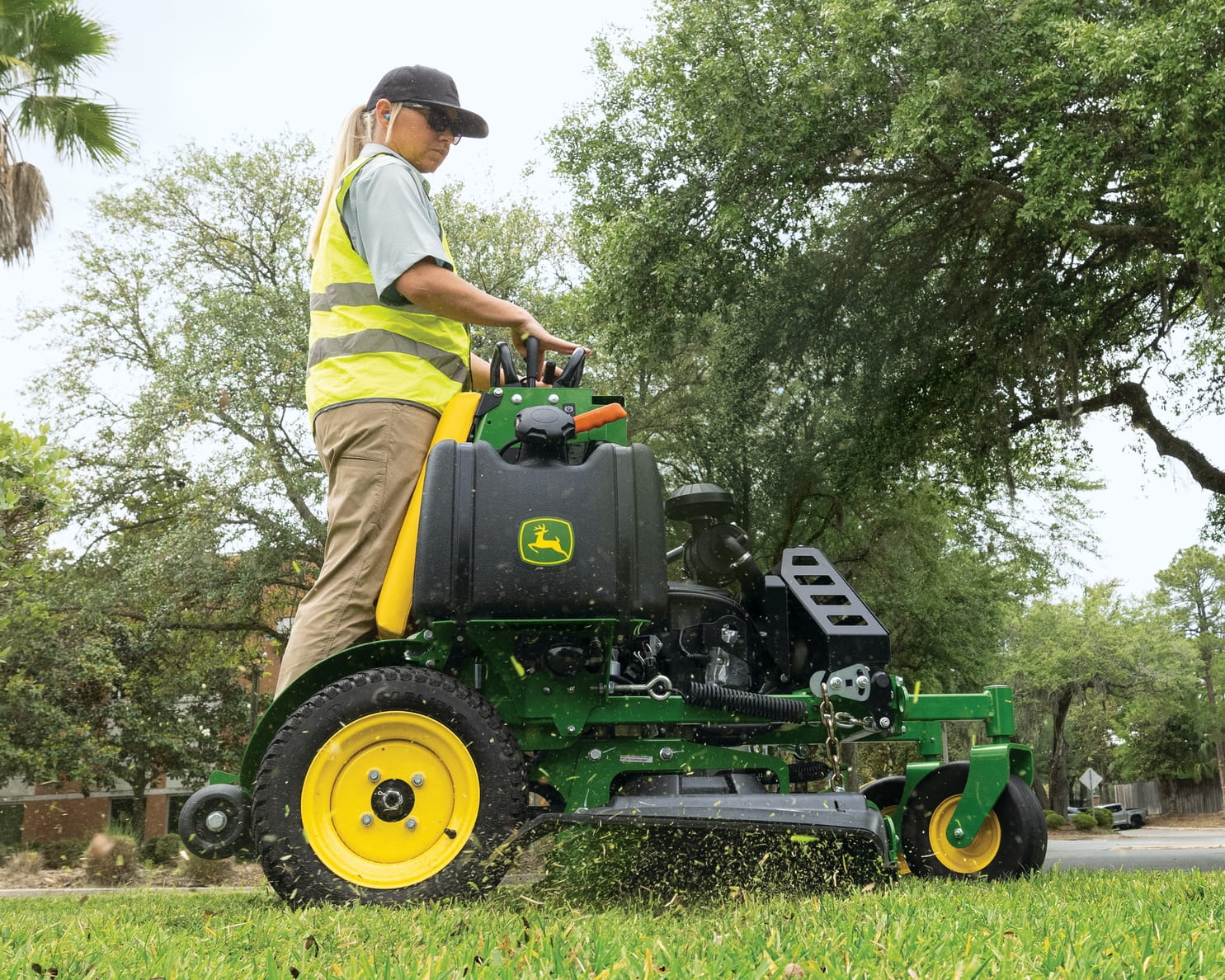
Mulching uses a specialized blade and deck baffle system to re-cut grass multiple times before depositing fine clippings back into the turf. Done correctly, mulching returns nitrogen to the lawn, reduces fertilizer needs, and leaves no visible clippings on the surface.
Side Discharge
Side discharge is one of the most standard systems you’ll see. This system simply ejects clippings out the side of the deck as it cuts, spreading them across the lawn as you go. It’s the lowest-resistance option for the mower, as the deck doesn’t have to work as hard to handle high volumes of grass efficiently.
Bagging
A bagging system collects clippings in a catcher attached to the mower and removes them from the lawn entirely. This is typically the most labor-intensive option but produces the cleanest visual result in conditions where clippings can’t be managed any other way.
How Northeast Summer Conditions Affect the Choice
Late Spring and Early Summer: High Growth, High Moisture
This is the hardest time of year to mulch in the Northeast. Fescue, bluegrass, and ryegrass grow aggressively in cool, wet spring conditions. If you’re mowing frequently enough to maintain the right height, mulching can work. If growth has gotten ahead of you by even a few days, the clipping volume can overwhelm a mulching deck and leave wet clumps on the surface.
In heavy spring growth conditions, side discharge is usually the right call. It moves the volume cleanly and quickly. If appearance is critical, bagging is the most reliable option for a clean finish regardless of conditions.
Midsummer: Normal Growth, Variable Moisture
Once the aggressive spring growth cycle settles into the slower summer pace, mulching becomes more viable. Dry, frequent mowing conditions are where mulching performs best. Return nitrogen naturally to the turf and reduce water stress by keeping clippings in place during dry stretches.
After Rain or Extended Wet Periods
Wet grass clippings are the enemy of mulching and a significant challenge for side discharge as well. Both configurations produce clumping in wet conditions. Clumps block light, hold moisture against the turf, and create disease risk. If you have to mow wet grass, side discharge at reduced ground speed is the best option. Bagging wet grass is hard on equipment, but produces the cleanest result.
The better strategy when possible is simply to wait. Mowing dry grass is worth the delay in nearly every situation.
Deck and Blade Considerations
Not all decks handle all configurations equally. John Deere’s residential and commercial mowers use specific blade designs and deck configurations optimized for each cutting mode:
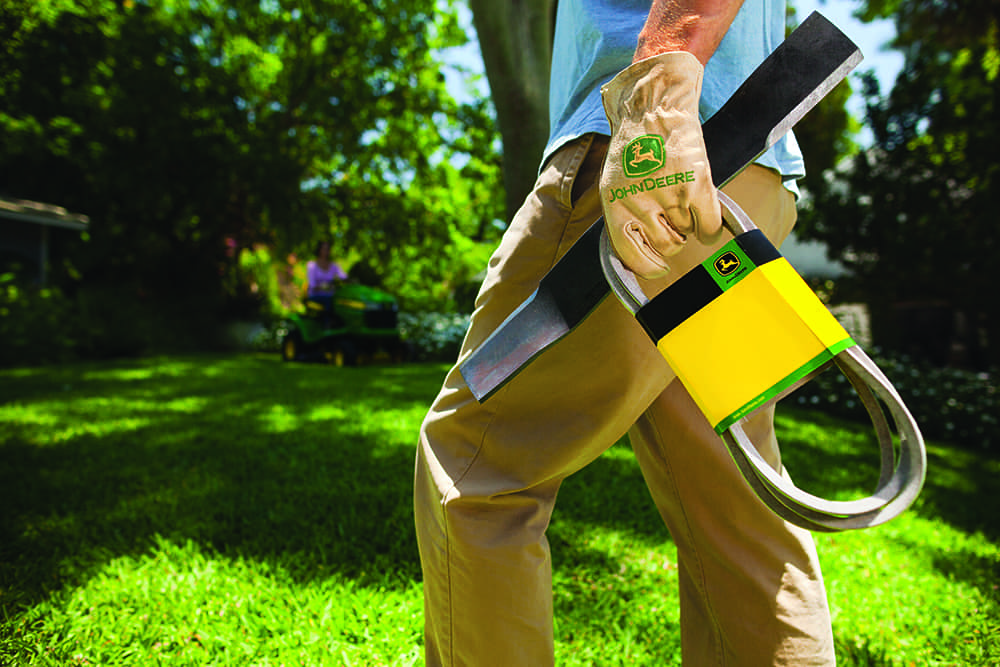
- Mulching kits are available for most John Deere zero-turn and riding mower decks — they include baffles that redirect airflow for re-cutting and blades designed to create finer particles
- High-lift blades improve suction for bagging, pulling clippings efficiently into the catcher
- Standard blades are the default for side discharge and general-purpose cutting
Some John Deere decks support convertible configurations — switching between mulch, bag, and discharge modes with a kit swap. Your United Ag & Turf team can tell you what’s available for your specific model.
Frequently Asked Questions
Is mulching or bagging better for a Northeast lawn?
Mulching is better for turf health when conditions allow — it returns nutrients, reduces thatch when done correctly, and eliminates clipping disposal. Bagging produces a cleaner visual result and is the right choice when growth is too heavy for mulching or when clippings can’t be left on the surface. Most Northeast lawns benefit from mulching in midsummer and bagging or side discharge during heavy spring growth.
Does mulching cause thatch buildup in Northeast lawns?
This is a common misconception. Grass clippings are mostly water and break down quickly — they don’t contribute meaningfully to thatch. Thatch is primarily caused by the accumulation of roots, stems, and stolons. Proper mulching under the right conditions does not cause thatch.
Can I switch between mulching and side discharge on my John Deere mower?
Many John Deere mowers support configuration changes with a mulching kit or plug. Check your operator’s manual or ask your United Ag & Turf team what options are available for your model.
How often should I mow Northeast grass in summer?
Follow the one-third rule: never remove more than one-third of the grass blade in a single cutting. During fast spring growth, that may mean mowing every four to five days. During slower midsummer growth, once per week is typically appropriate. Mowing frequency is more important than configuration for maintaining turf health.