
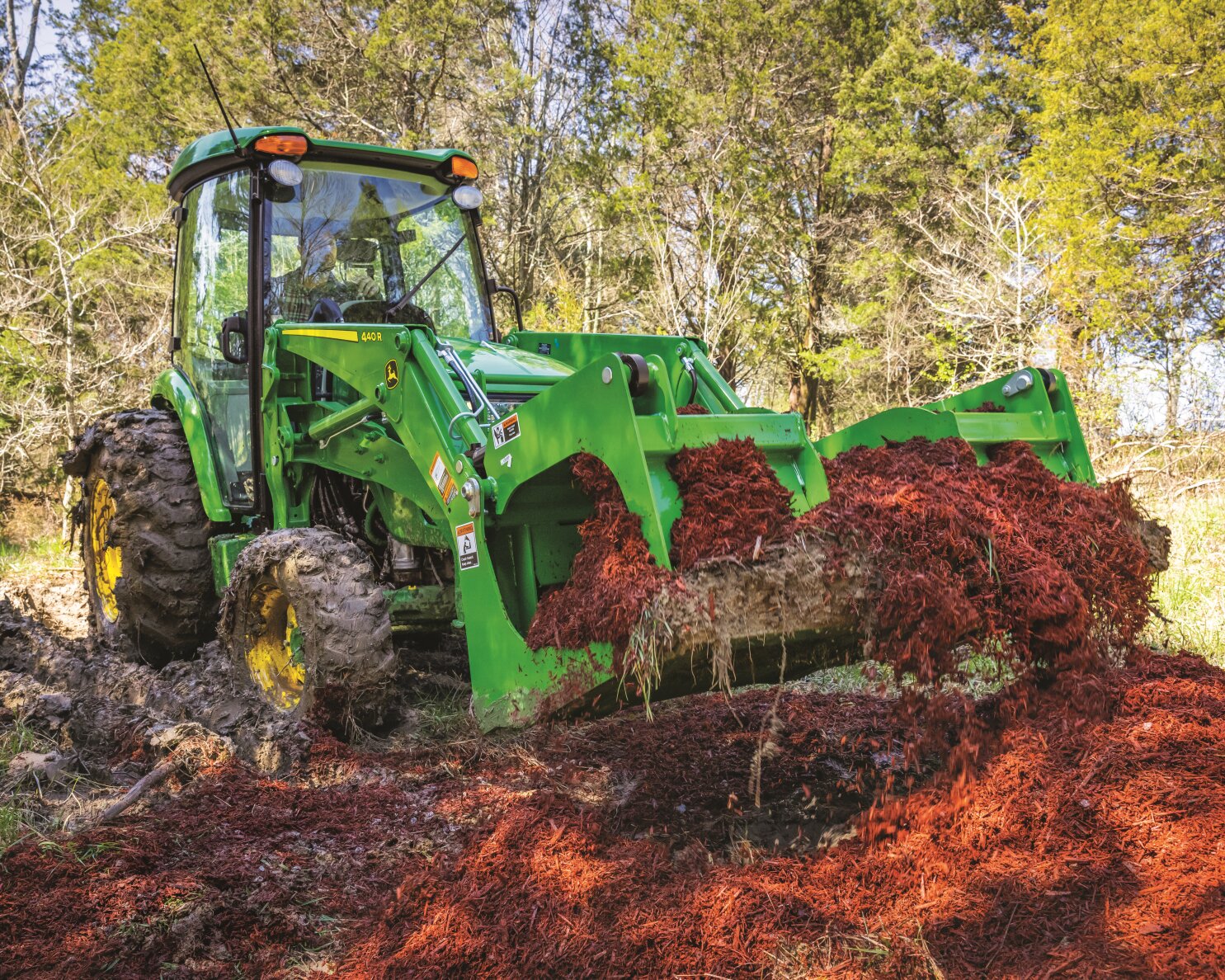
The transition from spring to summer can feel slow in the Northeast. That’s why now is the perfect time to focus on cleanup. Months of bedding, manure, debris, and other messes have built up over the last few months. And if you’ve ever tried to handle barn cleanout by hand, you already know how miserable that work can be.
The right John Deere loader bucket attachment—paired with the right compact utility tractor—is the biggest boost to a livestock owner’s spring productivity. Read on to learn everything you need to know before buying.
Find Your Nearest United Ag & Turf
Why Compact Utility Tractors Are Right for Barn Cleanout
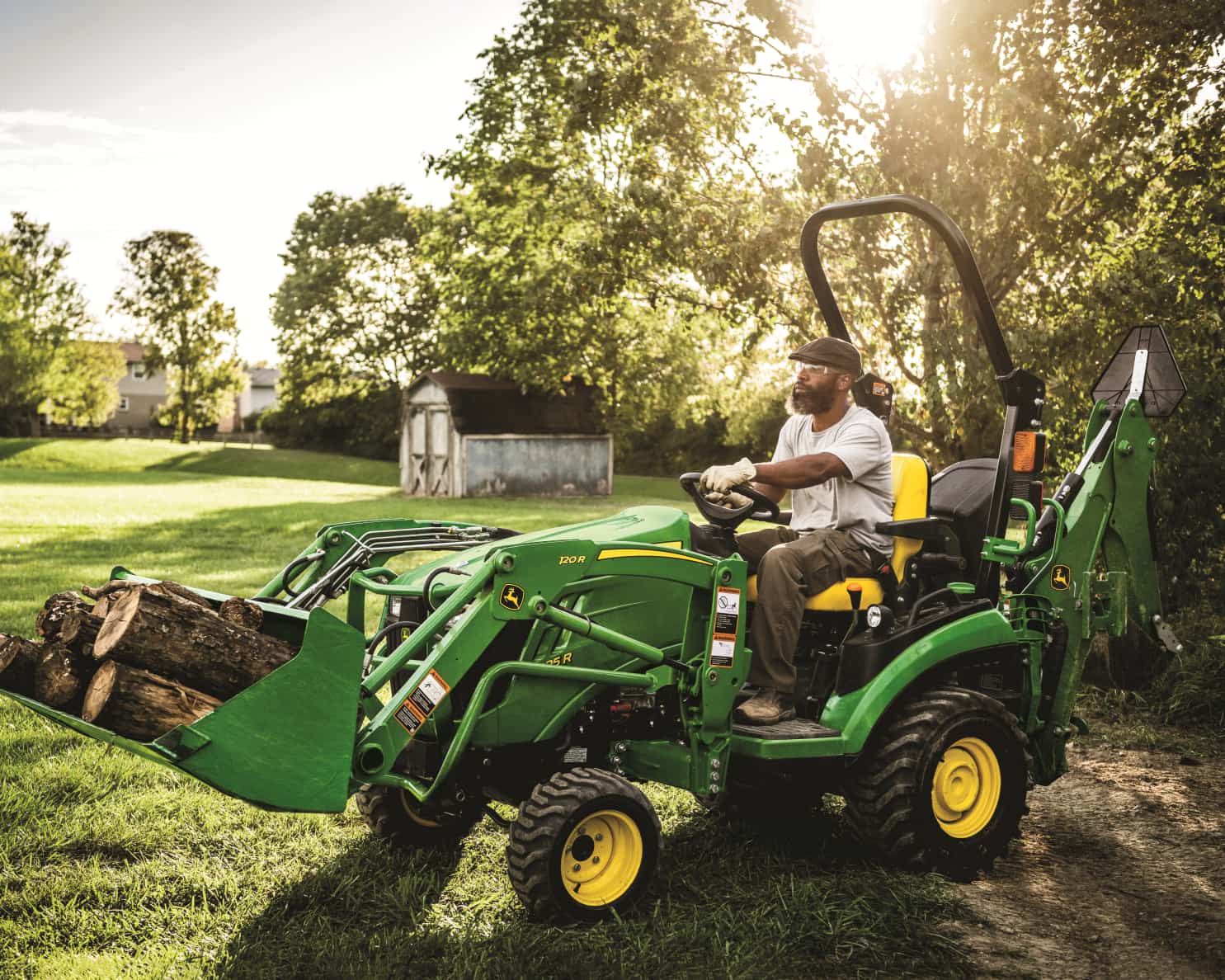
Not every job needs a full-size tractor. For most livestock operations in the Northeast—dairy, beef, horses, goats—a compact utility tractor in the 25-50 horsepower range hits the sweet spot. You want a tractor with enough power to move material efficiently but enough maneuverability to work inside paddocks, barn aisles, and gates.
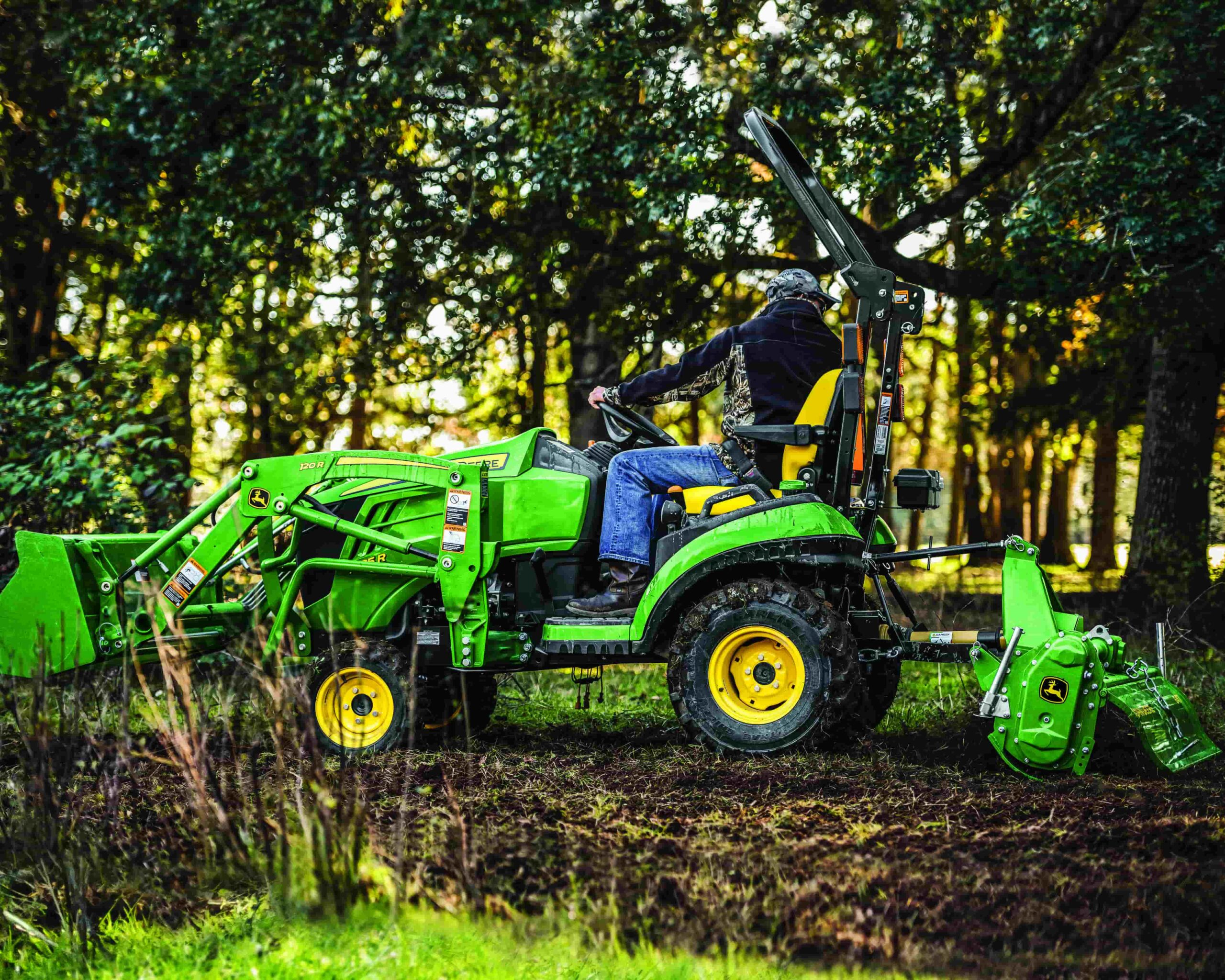
John Deere’s 2 Series and 3 Series compact utility tractors excel at this kind of work. They’re nimble while still powerful enough to handle a full range of loader attachments to make spring cleanout easier than ever.
Browse All John Deere Compact Tractors
Which Bucket Attachment is Right for Your Operation?
Not all loader buckets are the same. Making the right choice depends on what you’re moving, where you’re taking it, and how much of it you’re taking.
- Standard Loader Bucket: This is your general all-purpose bucket. It’s great for loose manure, soiled bedding, dirt, and light debris. If you’re doing basic stall cleanout and moving material to a manure pile or spreader, this will get the job done at a reasonable cost.
- Material/Manure Bucket: These buckets are designed for wet, heavy material—exactly what you’re dealing with after a long winter. Higher sides help to keep the material contained, and the bucket angle is optimized for scooping dense and compacted bedding. If barn cleanout is a regular task, this upgrade will pay dividends.
- 4-in-1 Combination Bucket: A combination bucket has many functions: dozing, loading, grappling, and blade work. For operations needing multi-use, versatile tools like grading, moving bales, and clearing debris, a 4-in-1 bucket is well worth the upgrade.
Beyond the Bucket: Other Spring Attachments to Consider
While you’re working on spring cleanup, it’s worth considering how else your compact utility tractor can earn its keep. Here’s how to get more out of your tractor—after the barn is clean:
- Manure Spreader: Move from cleanout to application in a matter of minutes.
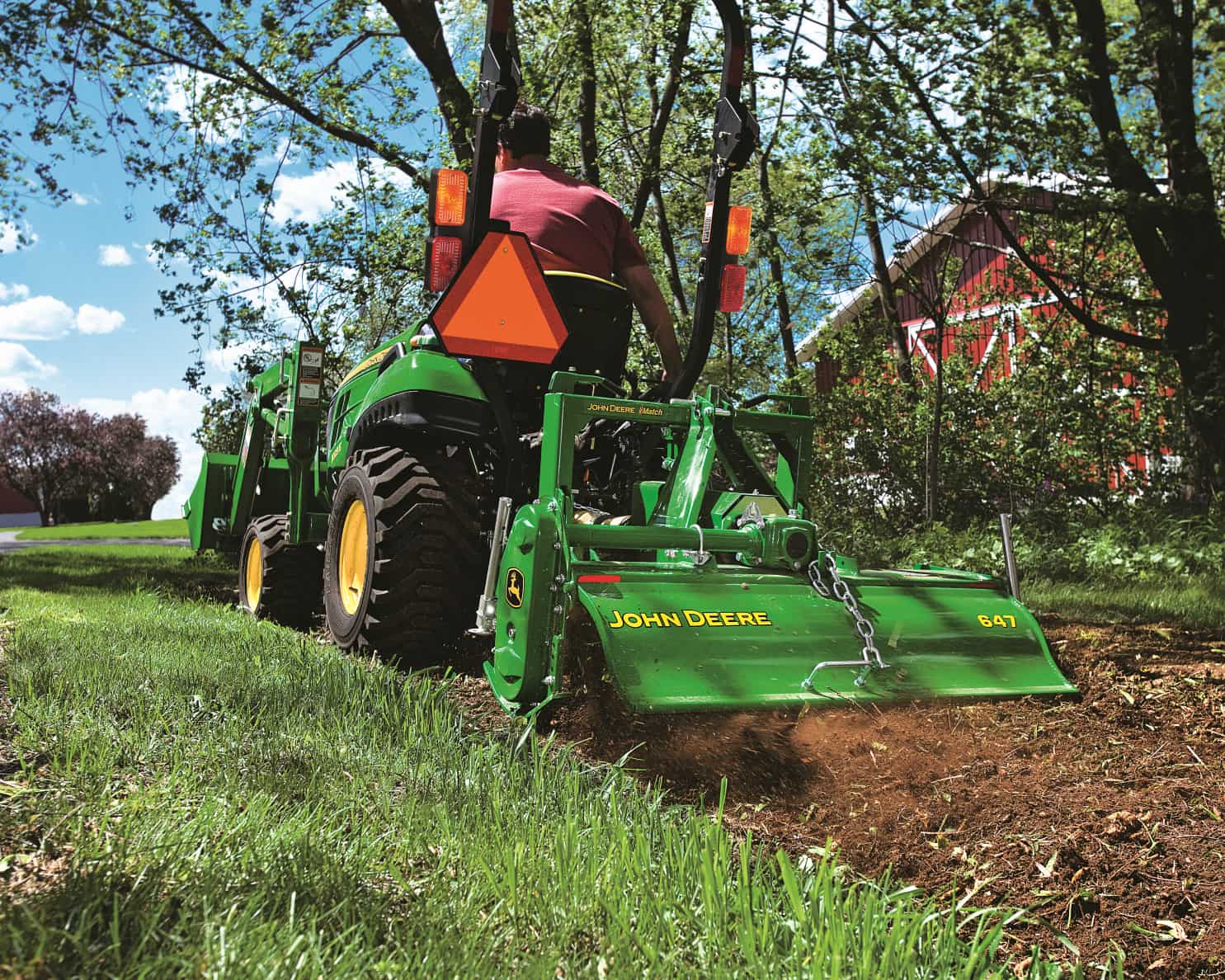
- Box Blade: Grade neglected laneways and paddocks.
- Landscape Rake: Clean pastures and prep ground for reseeding.
- Bale Spear: Move round or square bales and refresh bedding supplies.
The key feature of a John Deere compact tractor is versatility. The right loader bucket gets the dirty work done—the right attachment lineup keeps it working all season long.
Frequently Asked Questions
What size compact utility tractor do I need for barn cleanout?
For most small to mid-size operations in the Northeast, a 25-50 horsepower compact utility tractor is great for barn cleanout. Larger operations with heavy daily manure volume may benefit from upgrading to the 60-75 horsepower range with higher lift capacity.
What’s the difference between a standard bucket and a manure bucket?
A standard bucket is flat-bottomed and designed for versatile, general use. A manure bucket has higher sides and a more aggressive scooping angle for wet, heavy, and compacted material.
Can I compare John Deere loader buckets?
Yes! Visit your nearest United Ag & Turf, with locations across Maine, New Hampshire, Vermont, Connecticut, New York, and Massachusetts. Stop in to see loader bucket options and discuss your operation’s needs.