
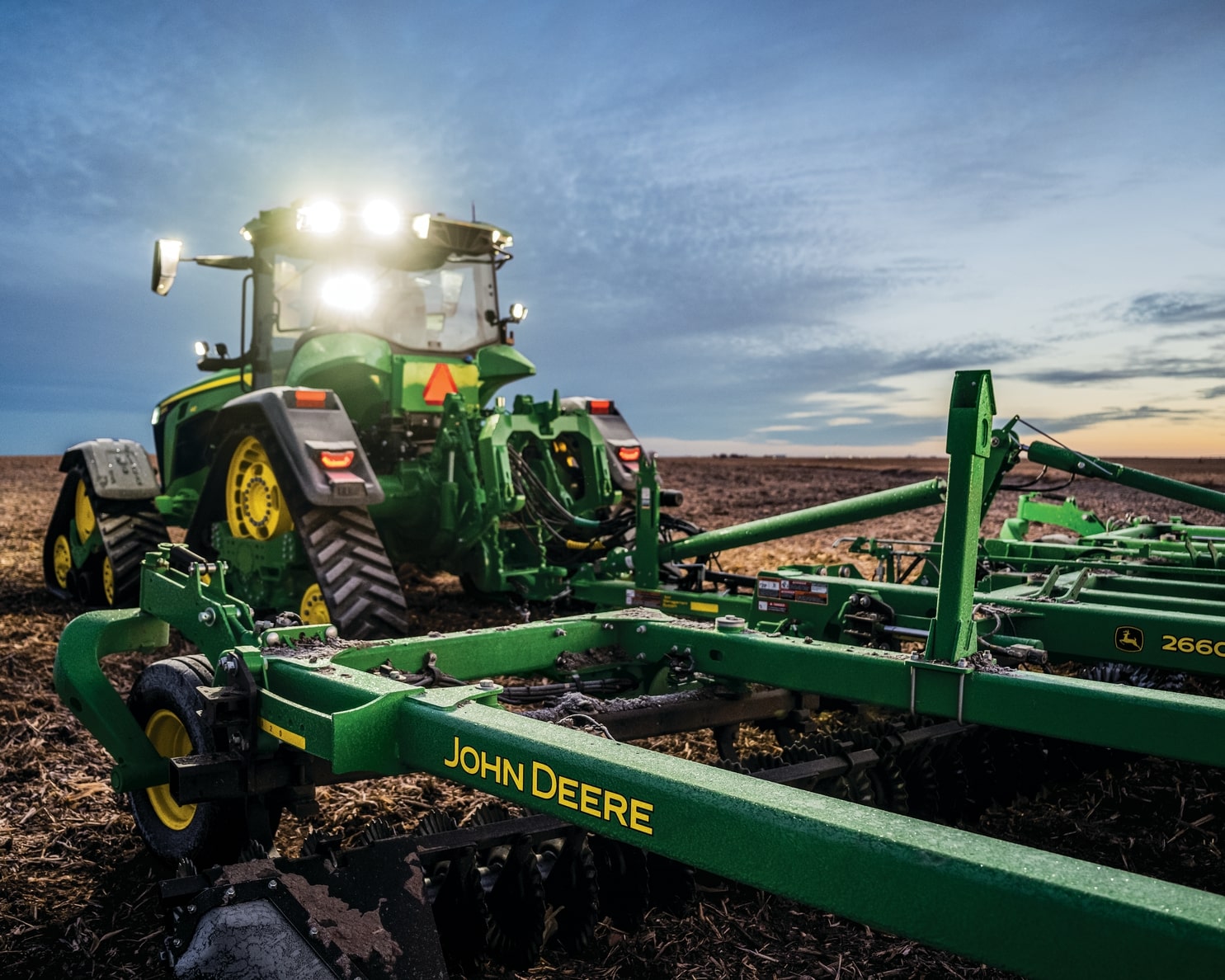
Fall tillage and cover crop seeding compete for the same narrow window of time after harvest. In the Northeast, that window is made even more challenging by wet soil. Here are some simple rules to follow:
Working heavy soil when it’s too wet is likely to damage your land and your equipment. In most seasons in the Northeast, shallower tillage and lighter ground pressure will yield better results. Seed early enough for your cover crop to establish before a hard freeze. Read on to learn how to handle cover crop season.
Find Your Local United Ag & Turf
Why the Northeast Window is Tight
Corn silage comes off late, while soils are already holding moisture. As the year rolls on, daylight and soil temperature start to drop, and the ground stops cooperating.
A successful cover crop season depends on timing. Every week of delay, especially after early October, you’re sacrificing the potential biomass you could gain before winter. Visit the Northeast Cover Crops Council’s website to learn more about regional species and timing guidance.
In reality, you rarely get to work with a full tillage run and an ideal seeding date. You’ll have to choose.
Match Tillage Depth to Soil Moisture
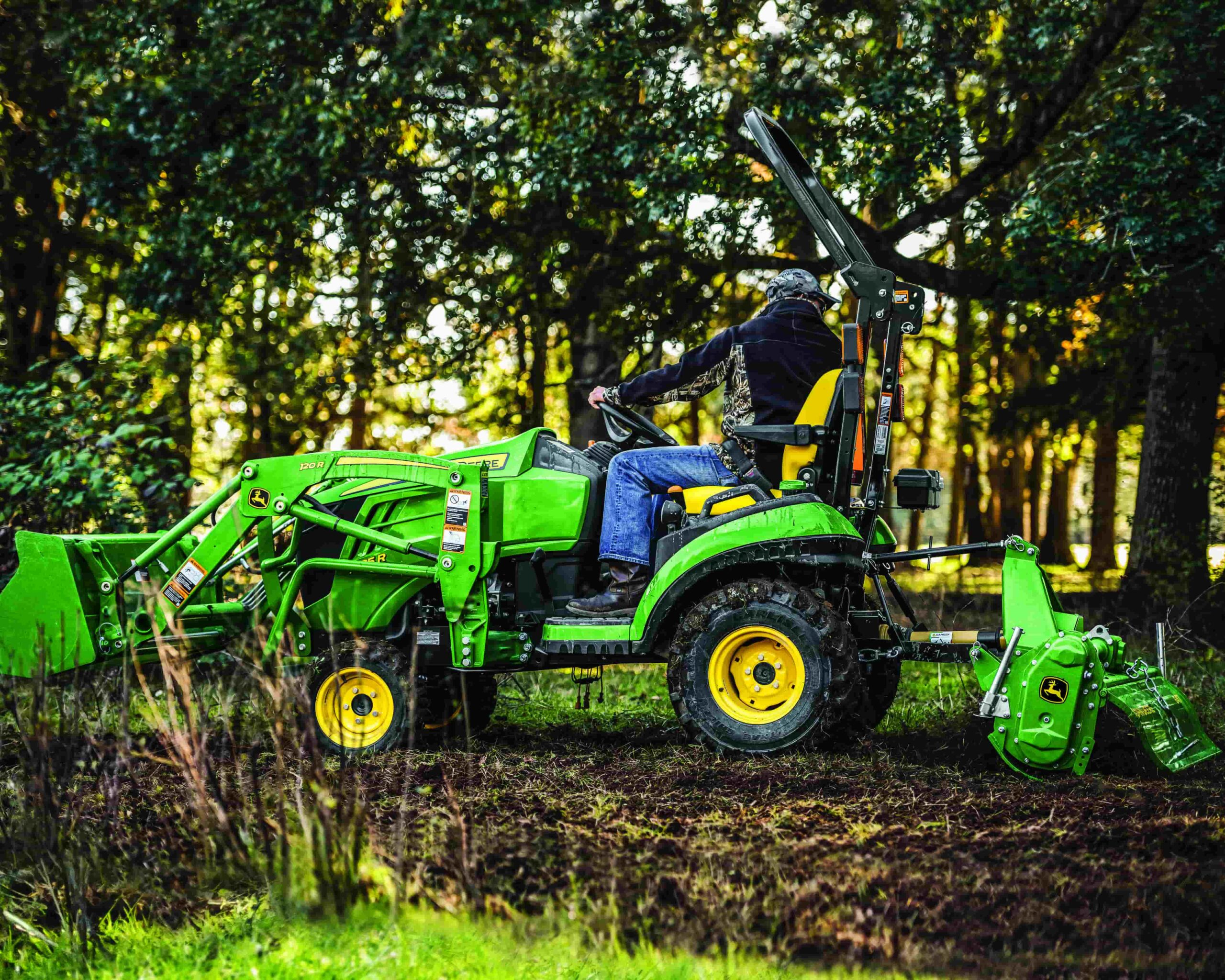
In a wet fall, it’s tempting to till deep and try to open the soil. Often, this will backfire. When soil is too wet, tilling can do more harm than good by smearing the soil profile and creating a compacted layer at the working depth. In spring, you’ll notice poor rooting and standing water. When conditions are marginal, a shallower tillage pass is a better option than a deep one.
Tip: Squeeze a handful of soil. If it ribbons instead of crumbles, it’s too wet to work.
Seeding Equipment: Drill, Broadcast, or Interseed
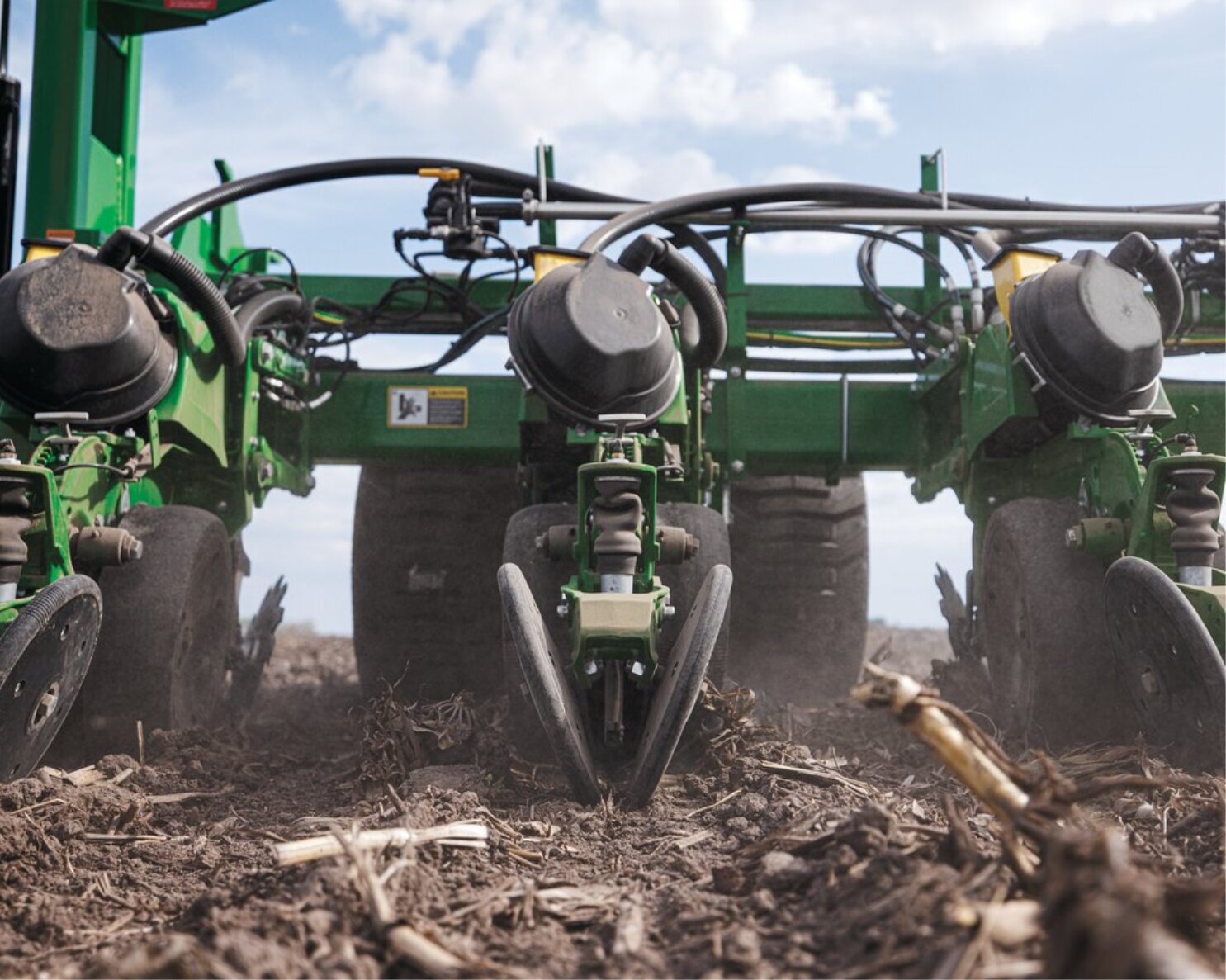
A grain drill gives reliable seed establishment. Seed-to-soil contact is confident, and seeding depth is well-controlled. The trade-off? This is your slowest option.
Broadcast seeding covers ground quickly. If you’re dealing with a short planting window or imminent weather, this can make a big difference. Without a timely rain, establishment can be less predictable. Compensate by boosting your seeding rate.
Interseeding moves the seeding date weeks earlier and relieves you of your fall planting window. This system requires a high-clearance setup and careful timing. Learn about regional interseeding here.
Compaction is the Cost You Pay Next Spring
You want to minimize fall field traffic, especially when your soil is wet. Compaction, rutting, and drainage issues will lead to unwanted yield loss.
Tire pressure and axle load are the real culprits here. Run proper inflation for your load, and keep your equipment on controlled paths whenever possible. Limit your number of passes to the bare minimum.
Tip: If your field is too wet for the tillage pass, it’s likely too wet for the seeding pass.
Building a Real Plan for Fall
Rank your fields by these issues: drainage problems, a history of compaction, and late harvest dates. The most problematic fields should receive minimal tillage and earlier cover crop seeding. The drier, earlier-harvested fields can typically handle a fuller program. Concentrate your tillage effort while conditions allow. Have your equipment ready before the window opens.
Contact United Ag & Turf Today
Frequently Asked Questions
How late can I plant cover crops in the Northeast?
This depends primarily on your species and region. Winter rye tolerates the latest planting. Contact your local United Ag & Turf for region-specific recommendations.
Is fall tillage necessary if I’m planting a cover crop?
Often not. A cover crop with minimal tillage handles residue well on many Northeastern fields. Heavy residue, ruts, or manure incorporation all justify a pass.
What’s the biggest fall tillage mistake?
Working ground that’s too wet. The compaction you’ll create in one afternoon can take multiple seasons to correct.